




Aerodynamic Designs Help Cut Water Spray
Good vehicle aerodynamics not only increase fuel economy, but also can reduce splash and spray, a safety bonus that also mitigates wear and tear on vehicles.

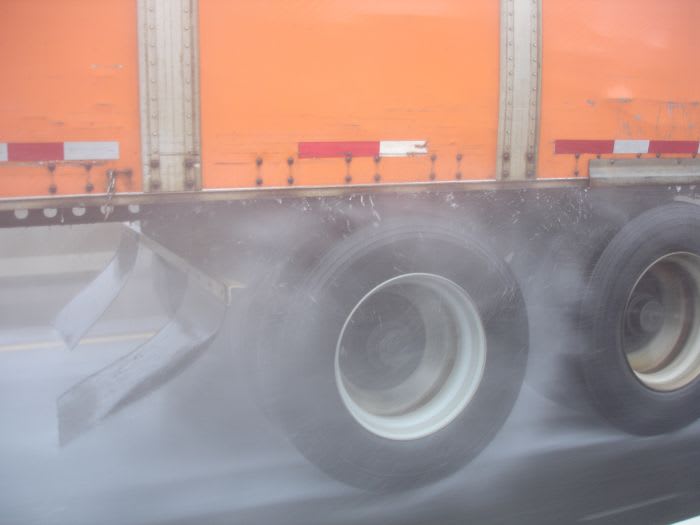

Good vehicle aerodynamics not only increase fuel economy, but also can reduce splash and spray, a safety bonus that also mitigates wear and tear on vehicles.
“One-third of all accidents in the United States occur during bad weather, and the majority of these occur when pavement is wet in the aftermath of a rain shower,” says the introduction in the Technology & Maintenance Council’s Recommended Practice 759, “Splash and Spray Suppression Guidelines.”
“The major culprit in these situations is reduced visibility from road spray, and the resulting change in driver reaction times due to unforeseen circumstances. In fact, every millimeter of standing water on the road surface reduces driver visibility by 10%. Not only does road spray alter a driver’s forward view, it also changes driver perception of color and vehicle proximity.”
Pavement type affects how water puddles or runs off, and therefore how much splash is kicked up by vehicle tires. You can’t change that, but vehicle configuration determines how much the water is atomized into spray when it hits surfaces, whether on bodies, fenders, mud flaps or running gear. Altering those surfaces can mitigate the splash-to-spray effect, and good vehicle aerodynamics cuts the blowing of spray to the sides and in the wake of a vehicle. This makes it easier for drivers and motorists to see.
Trailers and spray
While the RP covers areas such as reducing speed, tire tread design and inflation, the gap between tractor and trailer, and objects like quarter fenders, the trailer itself is the major source of spray in wet weather. This is partly because of poor aerodynamics along a trailer’s bottom and at its rear. Another reason is components that block oncoming air and water, amplifying spray.
“Taking steps to improve the aerodynamics of any trailer can significantly cut the volume of road spray generated by a Class 8 tractor-trailer,” it says.
For regular box vans and refrigerated trailers, the main generators of spray are the landing gear, rear axle, suspension, tires and mudflaps, the RP notes. For tankers, the long fenders at the front of the equipment, the rear underride configuration, and the rear of the tank itself are additional sources of heavy spray at highway speeds in wet weather.
“Car carriers and step-decks have steel structures that are perpendicular to the direction of travel that are major obstructions that throw standing water out into the airflow surrounding the trailer, and compound the volume of spray generated. Flatbeds, due to their varying loads and poor aerodynamic profiles (including the load), generate a tremendous amount of spray from the entire undercarriage area.”

Certain equipment hung on tractor-trailers also causes spray, the RP explains. Toolboxes, spare tires, liftgates and extra fenders all redirect splash and spray, sometimes to protect other components, but generate new spray. That’s especially so if water spray is ejected into the air flow racing past the vehicle. That’s why aerodynamic designs help; they cover much equipment and keep it out of the air and water flow, thus cutting drag, which saves fuel and reduces spray at the same time.
“Eliminating, downsizing, or repositioning undercarriage obstructions; adapting more aerodynamic add-ons to the trailer; minimizing the gap between tractor and trailer; keeping trailers clean; tidying up the layout of hoses and air tanks that can block air flow at the rear axle; and eliminating redundant fenders or mudflaps can all help reduce drag and eliminate a large portion of road spray at highway speeds.”
The types of fenders and mudflaps can also make a difference. For instance, special “fly swatter” mudflaps can reduce air drag and water spray. Some mudflaps are specifically marketed as spray-reduction devices. The RP recommends using stiff anti-sail flap mountings.
More Equipment
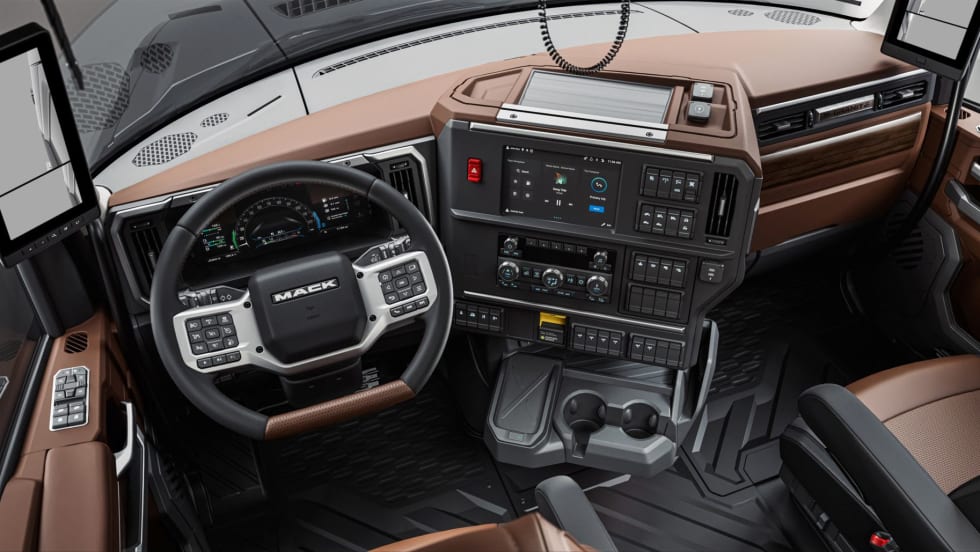
New Mack Granite Cab Puts Driver Comfort Front and Center
Mack’s next-generation vocational truck features a roomier cab, premium seating, advanced steering technology, and a driver-focused interior designed with direct input from professional operators.
Read More →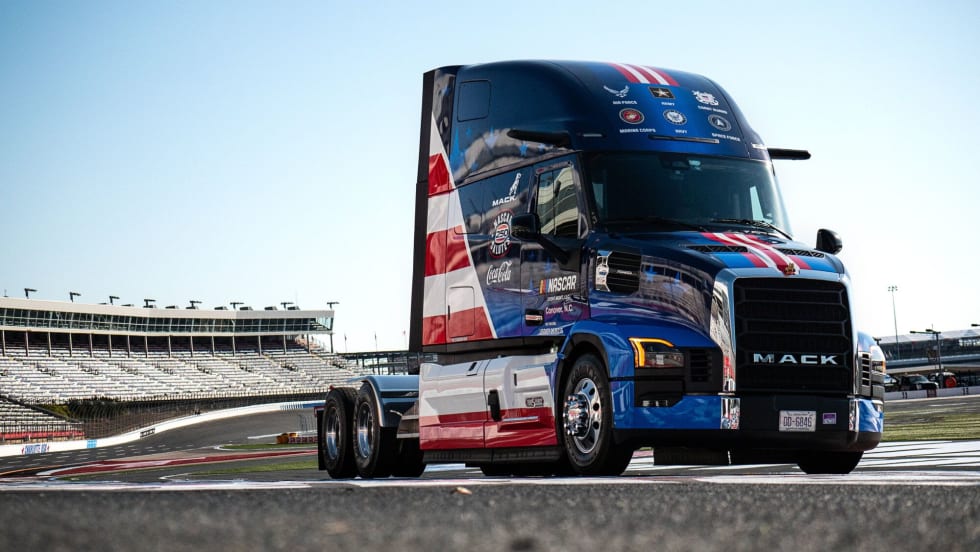
Mack Unveils Fan-Selected Patriotic NASCAR Pioneer Wraps
Racing fans picked the patriotic design now featured on three Mack Pioneer trucks hauling NASCAR equipment across the country during the 2026 season.
Read More →
Michelin Expands X Line Grip D Tire Line
Michelin is expanding its X Line Grip D drive tire lineup with a new pre-mold retread and additional sizes, building on what the company says is strong fleet adoption of the tire's traction, mileage, and fuel-efficiency benefits.
Read More →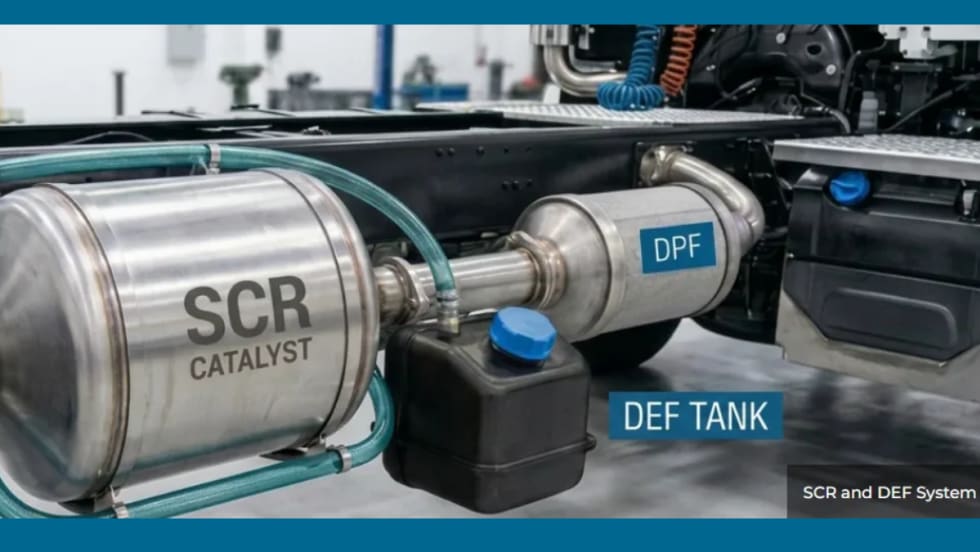
Engine Technology Forum Launches SCR, DEF Resource Center Amid Emissions Debate
The Engine Technology Forum’s new online hub aims to provide fleets, policymakers, and equipment owners with fact-based information about selective catalytic reduction technology, diesel exhaust fluid and emissions compliance.
Read More →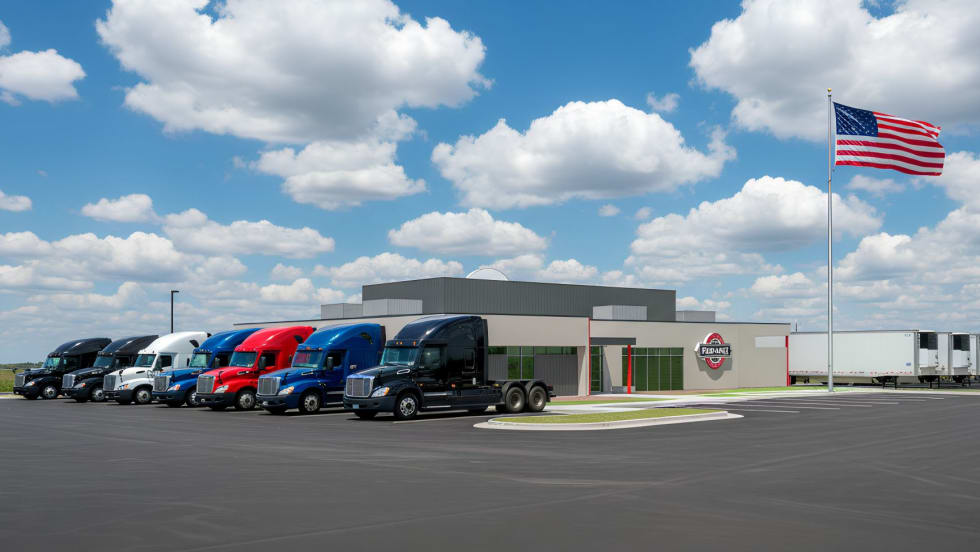
Prime Inc. to Open $7.9M Flagship Used-Truck Dealership
A new driver-focused facility to sell Prime Inc's used trucks and trailers will be the first purpose-built location in the company's history.
Read More →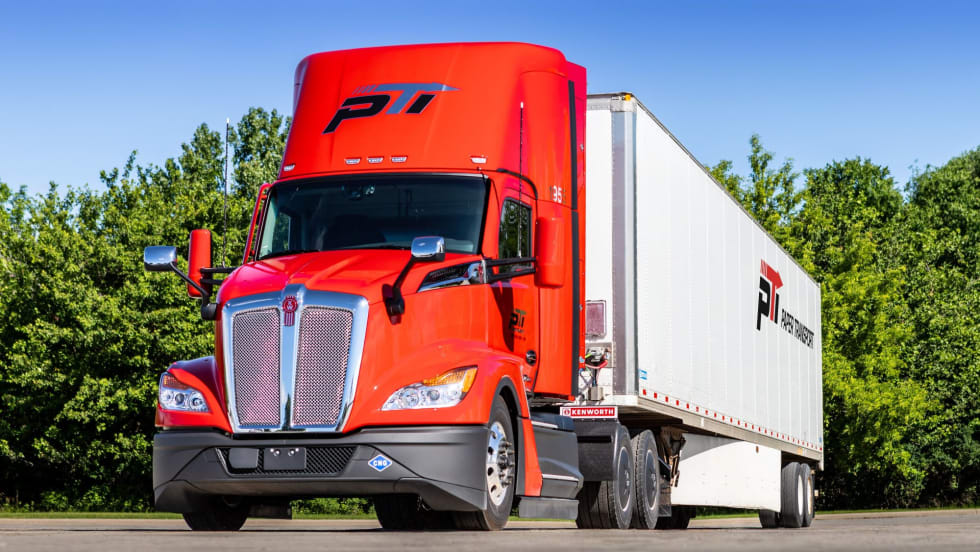
Lessons Learned About Alternative Fuels: Start Small, Stay Flexible
Practical advice on adopting alternative fuels and ZEVs from HDT's 2026 Top Green Fleets, from renewable diesel and natural gas to electric trucks.
Read More →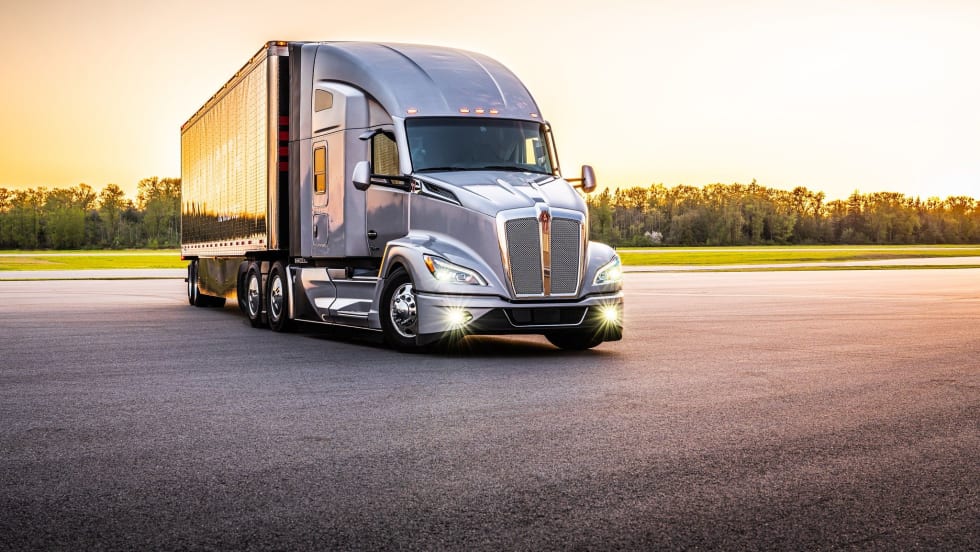
Kenworth Names Peter Ahrens General Manager
Leadership changes at Kenworth take effect July 1 as the OEM promotes two longtime Paccar executives to key management roles.
Read More →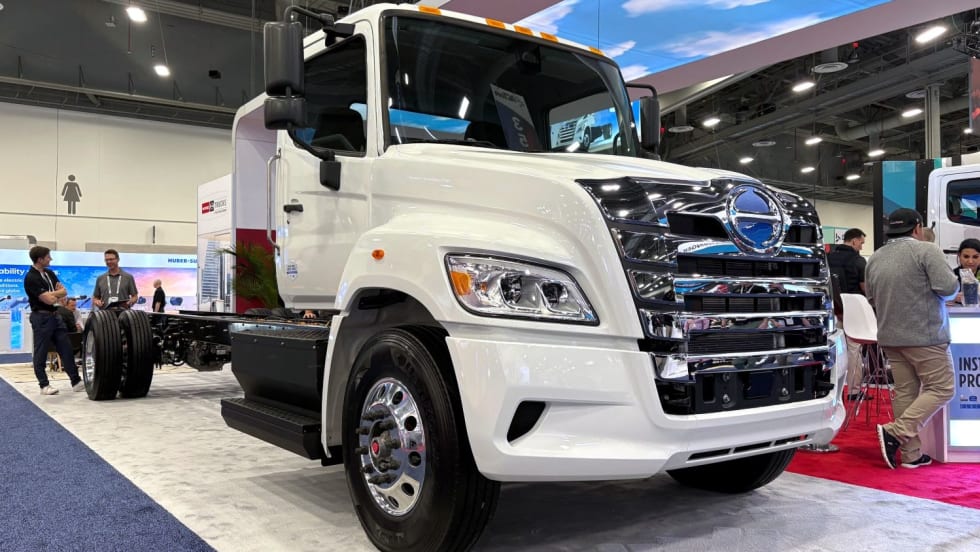
Hino Adds Electric Class 6/7 Truck
Hino says the Le Series is an important step in the company's efforts to reduce environmental impact and support its customers’ sustainability goals.
Read More →
ACT Expo 2026: Highlights in Photos
The 2026 Advanced Clean Transportation Expo featured a broad range of commercial vehicle technologies, from EVs to autonomous trucks to the latest diesel and alternative-fuel engines.
Read More →
Hendrickson Debuts Electraax E-Axle for Medium-Duty Trucks
Developed with Driventic, Hendrickson's new integrated e-axle is designed to improve efficiency, reduce weight, and extend range in Class 6-7 EV applications.
Read More →