




Start Reliably and Reduce Idling This Winter
Every driver with experience operating heavy-duty diesel trucks knows that batteries have their limitations in cold weather-- they can’t maintain their cranking power when temperatures drop. Extreme cold is their enemy.

Photo: Maxwell Technologies

The overriding concern for a truck not starting in cold temperatures is a normal part of a professional driver’s life on the road.
The lack of confidence in trucks starting in frigid climates can be attributed to two main challenges: low temperatures cause engine oil to thicken and batteries to lose cranking power.
Every driver with experience operating heavy-duty diesel trucks knows that batteries have their limitations in cold weather-- they can’t maintain their cranking power when temperatures drop. Extreme cold is their enemy.
So, how do drivers running solely on battery systems through the winter solve the problem of a truck not starting? They don’t shut down the engine. When cold weather strikes, drivers would rather idle their trucks than take the risk of shutting off the engine and waking up to a truck that won’t start.
This is an expensive solution to avoiding a stranded truck, and the cost of fuel spent on idling takes its toll on fleet managers and their ability to make their operations time- and cost-efficient. Idling is a solution for the individual driver, but a problem for the fleet manager.
Some fleet managers have resorted to installing a temperature/voltage-based engine restart system that automatically starts the engine during cold nights based on cold block temperature or low battery voltage. While the system works, it a) uses fuel during the time the engine is idling, b) adds wear to the engine during idling, and c) usually wakes up the driver, interrupting valuable sleep and risking daytime alertness.
Energy Storage
Another cold-weather option fleets may be wise to consider before winter sets in is the installation of ultracapacitor technology. Ultracapacitors are energy-storage devices that contribute to reduced idling over the winter months. That’s because, unlike batteries, they allow drivers to repeatedly turn the truck off in extreme cold temperatures and start reliably-- even after long, below-freezing nights.
Ultracapacitor engine-start modules are designed to deliver consistent power as the temperature drops. Ultracapacitors provide high cranking current all the way down to –40°F. In contrast, a battery’s cranking current at –10°F, –20°F or –30°F drops dramatically. Batteries simply cannot deliver high-cranking current at colder temperatures.
Ultracapacitors are a perfect complement to batteries because, in an engine-start module, they completely take over the starting function, freeing up the batteries to do what they do best-- power hotel loads and on-board electronics. It doesn’t matter if the batteries are discharged in the morning from having done their job; the ultracapacitor engine start module starts the truck, even when the engine has been sitting in freezing temperatures overnight.
Another advantage is, unlike batteries, ultracapacitors contain no lead or acid. Lead-acid batteries depend on a chemical reaction to function. Temperature plays havoc with the insides of the battery in a way that doesn’t affect the ultracapacitor, since its energy is stored electrostatically.
Hundreds of Thousands
This design also enables the ultracapacitor to perform hundreds of thousands of cranking cycles, vs. only thousands of cranking cycles that batteries can execute. When drivers are backed by a technology that delivers hundreds of thousands of starts that aren’t affected by extreme cold, they can avoid idling altogether. The dependability of the technology can make shutting down the truck and cranking back up whenever needed the “new normal” in heavy-duty diesel truck operation.
Owner-operators were the first to test-drive ultracapacitor technology for truck starting. Today, major trucking original equipment manufacturers, including Kenworth and Peterbilt, offer the technology in new trucks for reliable starting in cold climates.
Ultracapacitors have gained traction as a competitive starting technology as fleet managers search for ways to handle stricter anti-idling regulations, the pressure of demanding delivery schedules, harsh weather conditions, and increasing fuel and maintenance costs.
However, there’s no better way to earn the confidence in the starting capability provided by ultracapacitors than by experiencing it when you find yourself stuck between a rock and hard place.
One Cold Night
For example, I remember talking to a driver who recalled a delivery route through South Dakota last winter. He had removed one lead-acid battery and replaced it with ultracapacitor-based engine start technology. Although he installed the technology knowing it was meant for the single purpose of starting the truck, he was still reluctant to turn his truck off overnight for fear of not starting in the morning.
He recounted to me that one night he didn’t realize temperatures were going to get below freezing, so he didn’t bother to plug in his block heater. He was caught off guard when he went out to his truck and it was 13°F. To his astonishment, with the turn of the key, the ultracapacitors easily started the engine. If he had been on batteries only, it would most likely have left him stranded at that frigid temperature.
The majority of heavy-duty diesel trucks continue to run on the same battery technology that was installed in the first automobile 100 years ago, which has given drivers no other choice but to rely on extended engine idling as their solution for avoiding starting problems on cold mornings.
Adopting ultracapacitor technology builds confidence in drivers once they have the on-the-road experience of reliable starts after each shutdown. Reductions in idling, fuel consumption, maintenance and engine wear and tear are realizable through ultracapacitor engine starting.
Jeremy Cowperthwaite is vice president of development engineering at Maxwell Technologies, developer of the Maxwell Engine Start Module.
This article was authored under the guidance and editorial standards of HDT's editors to provide useful information to our readers.
More Fuel Smarts
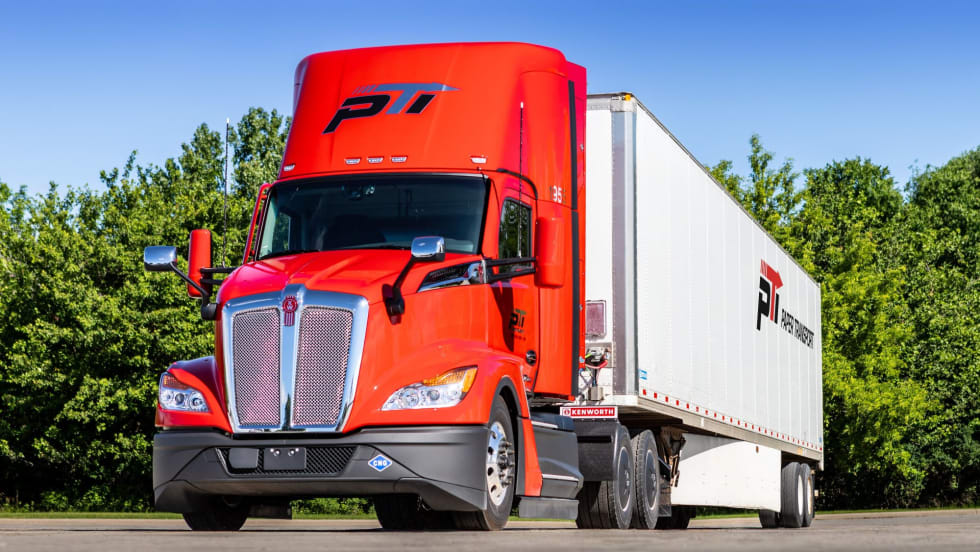
Lessons Learned About Alternative Fuels: Start Small, Stay Flexible
Practical advice on adopting alternative fuels and ZEVs from HDT's 2026 Top Green Fleets, from renewable diesel and natural gas to electric trucks.
Read More →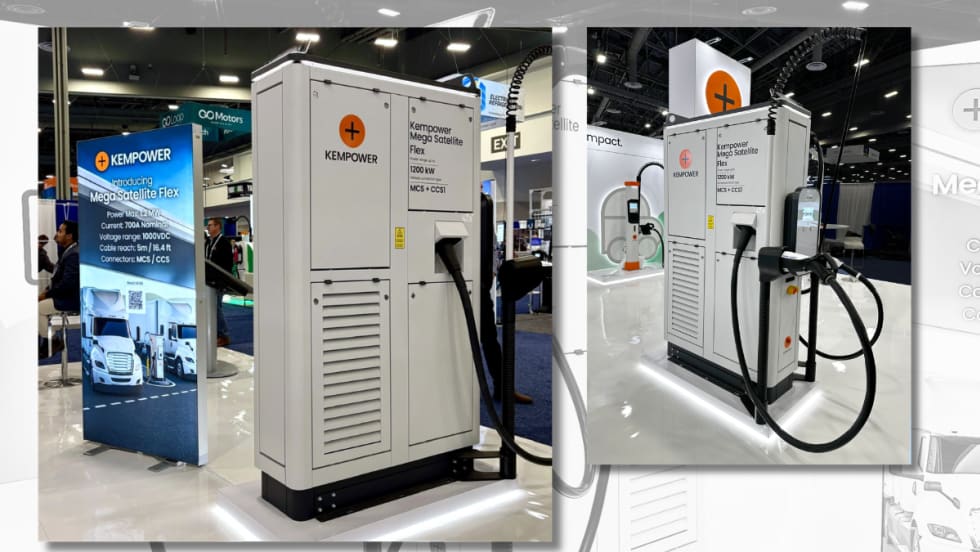
Kempower Adds Flex EV Charger to Help Support Transition to Megawatt Charging
The Kempower Mega Satellite Flex has both a CCS and MCS connector, allowing operators to serve both types of heavy-duty vehicles.
Read More →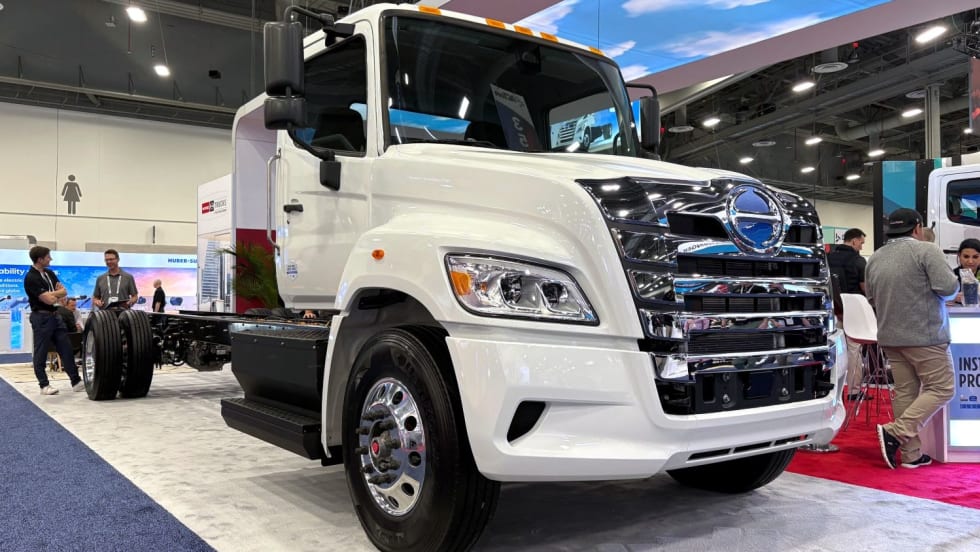
Hino Adds Electric Class 6/7 Truck
Hino says the Le Series is an important step in the company's efforts to reduce environmental impact and support its customers’ sustainability goals.
Read More →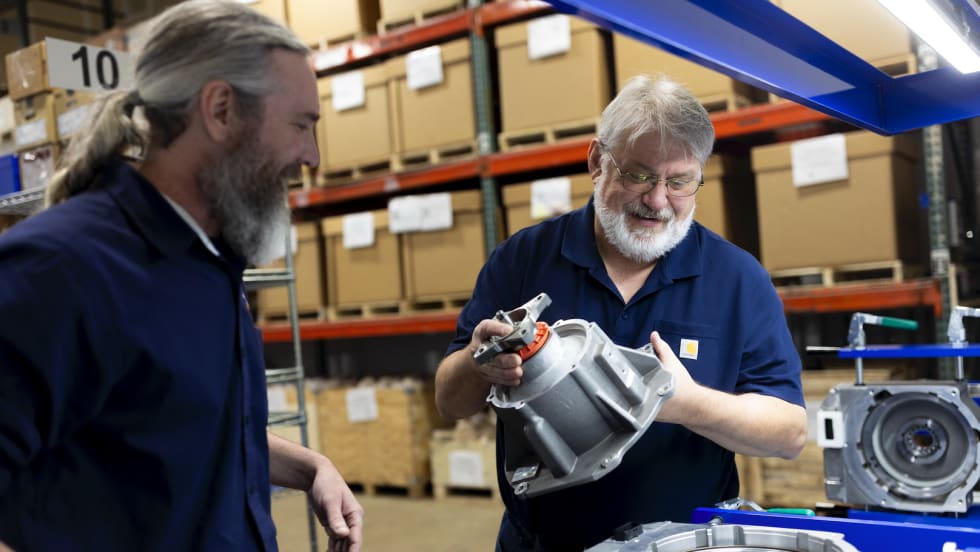
Can Multi-Speed EV Transmissions Solve Heavy Trucking’s Biggest Electric-Vehicle Problems?
A startup called Sigma Powertrain believes purpose-built multi-speed gearboxes can boost efficiency, reduce battery size and improve gradeability for heavy-duty battery-electric trucks.
Read More →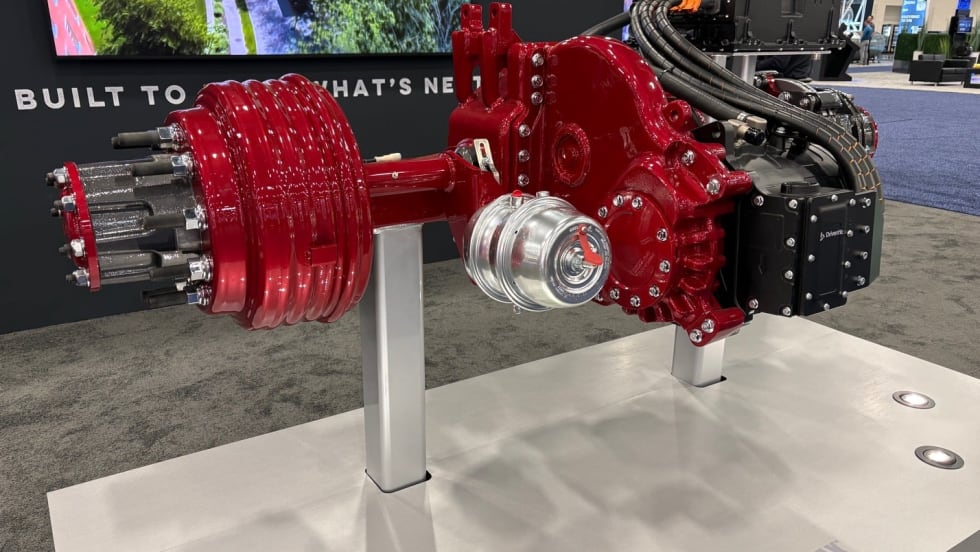
Hendrickson Debuts Electraax E-Axle for Medium-Duty Trucks
Developed with Driventic, Hendrickson's new integrated e-axle is designed to improve efficiency, reduce weight, and extend range in Class 6-7 EV applications.
Read More →
50 Ways Fleets Can Cut Fuel Costs Now — Without Buying New Trucks
Fuel savings don’t come from one big change. They come from dozens of small ones. Here’s how leading fleets are stacking gains across drivers, routing, maintenance, and more.
Read More →
Top Green Fleets 2026: How Fleets Are Reducing Emissions in the Real World
What works in sustainable trucking today? Heavy Duty Trucking's Top Green Fleets are finding practical ways to cut fuel use, reduce emissions, and keep freight moving.
Read More →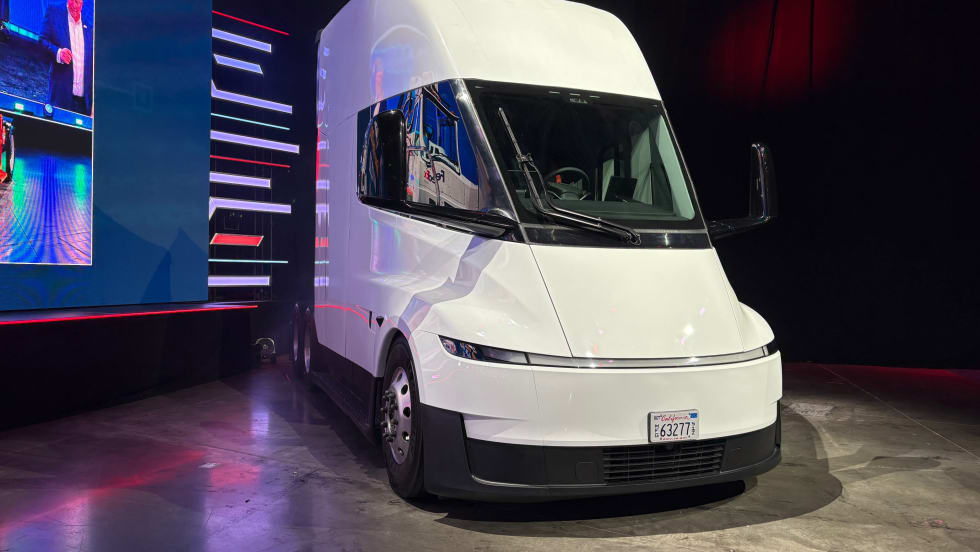
California Launching $1 Billion Electric Truck Rebate Program
CARB says the California Clean Fuel Reward program will begin offering point-of-sale rebates of up to $120,000 for electric commercial trucks starting June 26.
Read More →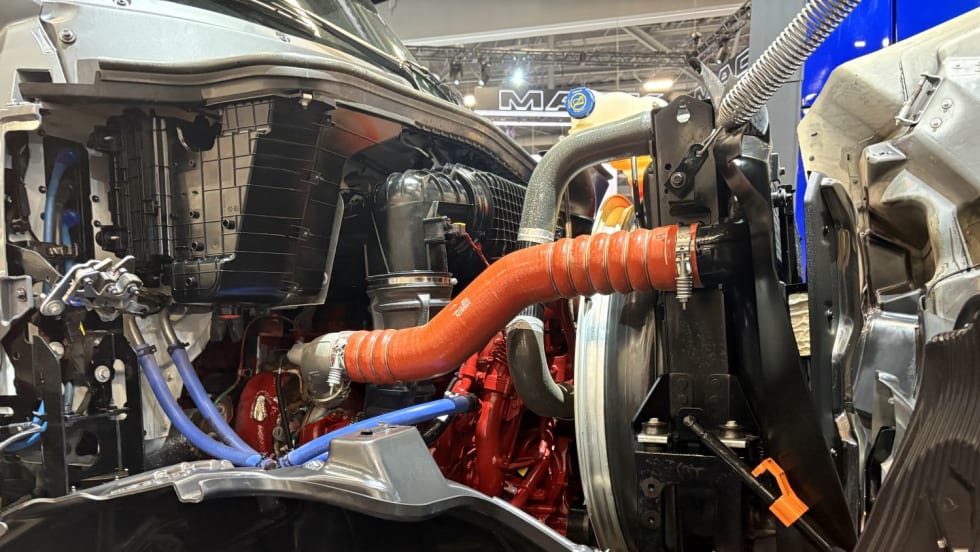
Mack Unveils EPA 2027-Compliant MP13 Engine With More Power, Better Fuel Economy
Along with unveiling its EPA 2027-compliant MP13 engine, Mack outlined powertrain changes across its Class 6-8 lineup, including new Cummins-based X10 engines.
Read More →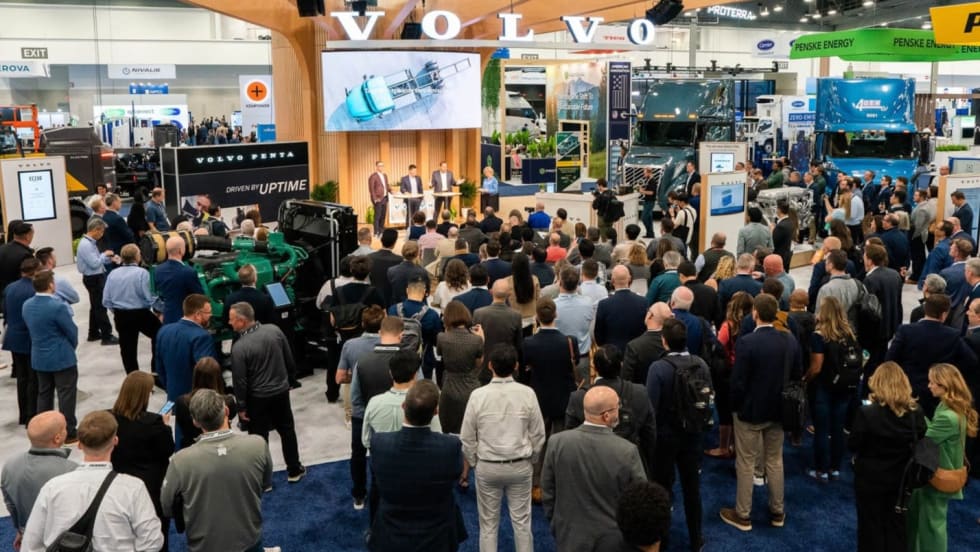
How Volvo’s New D13 Engine Meets EPA 2027 Emissions Without Sacrificing Power or Fuel Efficiency
Volvo says advances in combustion and aftertreatment helped its new EPA 2027 D13 engine avoid the fuel-economy penalties many once expected from tighter NOx emissions limits.
Read More →