




Trucking just wouldn't be trucking without plenty of government safety regulations. But DOT isn't the only agency around that's keeping you on your toes.
Tech Training
Training technicians saves lives, avoids litigation.
by Evan Lockridge, Contributing Editor
September 1, 20064 min to read
Since the late 1970s, the Department of Labor's Occupational Safety and Health Administration has mandated that any employee who handles truck tires and wheels must receive safety training and be able to demonstrate the ability to perform necessary tasks, as outlined in Regulation 29 CFR 1910.177.
If you don't have the resources to develop your own program, the Tire Industry Association offers a comprehensive training and certification program for commercial tire service personnel. It covers such areas as proper inflation and procedures for repairing, installing, removing, demounting and mounting tire and rims.
There are a number of benefits to making sure your tire technicians get this kind of training. For one, an OSHA inspector can pay your company a surprise visit. If they find out you are lacking in such a program, at the minimum you receive a safety violation and likely, a fine, says Christine Bell, director of training for TIA. "At the other end of the spectrum is you have a wheel-off accident and a family is killed," she says. "Then you are going to have OSHA not only come in and see you haven't trained your tire technicians, but you also get in the middle of the whole liability issue and a big lawsuit."
Tire technician training also helps prevent on-the-job accidents that can injure or even kill tire technicians. Bell says people don't realize just how dangerous working on tires can be if you're not doing things properly. "There have been so many accidents with tires having zipper ruptures, and blowing up with tire technicians standing over the tires or sitting on them," she says.
TIA offers three levels of training.
The Basic Commercial Tire Service Training and Certificate Program (CTS-200) is designed to meet the minimum federal training requirements for both new hires and experienced employees in need of documented training. It's centered on five videos that describe step-by-step procedures and safety guidelines for handling tires and wheels. It comes with instructor and student workbooks, and the training can be done in-house, taking about four hours to complete. The cost is minimal.
The Certified Commercial Tire Service Technician Program (CTS-300) is a more advanced program for tire technicians that exceeds OSHA guidelines. "It's sort of the same information that's covered in the 200 level course, but it goes into more depth," Bell says. "For example, it talks about how to torque wheels and what torque to use in the 200 level. But the 300 level program goes into how to accomplish this, such as making sure you are cleaning off the studs, making sure the studs aren't broken and things like that."
If you can't afford to get all your tire technicians certified, getting the advanced training for shop management can improve quality control. "If they (tire technician managers) know what to look for while they are walking through the shop, they can recognize practices and procedures that aren't right and easily point them out and correct them," Bell says.
This program features an exam and requires hands-on instruction. Unlike the 200-level program, it must be taught by a TIA-certified instructor. Once students receive this certification, they must be recertified every two years, but all that requires is taking an exam online from TIA.
Fleets with large tire shops may want to take advantage of the third option: Get someone in your operation trained as a certified tire instructor. The CTS Instructor Program (CTS-400) requires students to attend either a four-day or three-day class – depending on their years of experience – held at TIA's instructor schools in Baltimore or Denver. Like 300- level participants, they must pass an exam and are certified for two years, and must be recertified via an online exam.
Since the launch of the TIA program several years ago, Bell says, a very small number of tire technicians have been killed or injured on the job after successfully completing one of these programs. In these cases, employers were able to prove to OSHA that everything was done to train these technicians properly and in no case was an employer given any violation.
You can get more information on this program by visiting the TIA web site at www.tireindustry.org and looking under the training section, or by calling Christine Bell at (800) 876-8372.
Subscribe to Our Newsletter
More Fleet Management
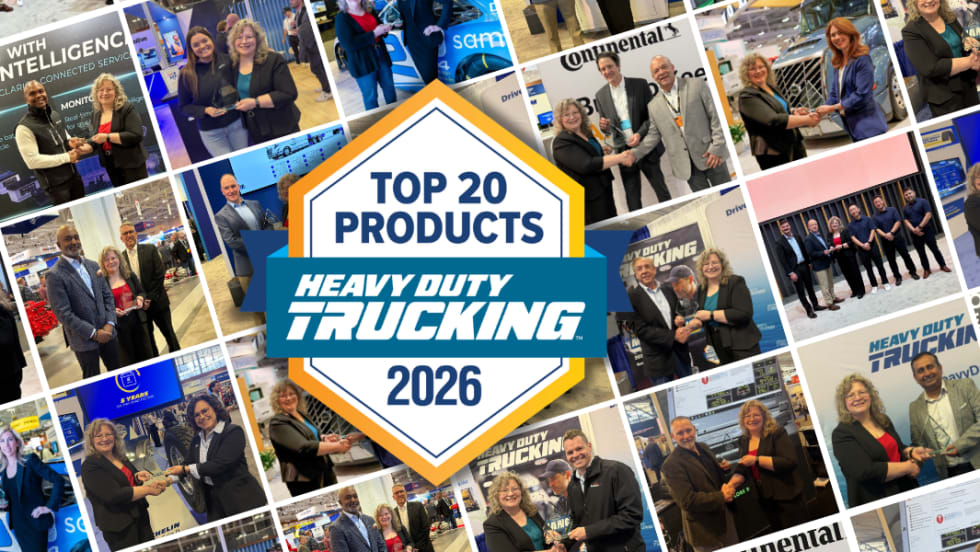
HDT Honors the Best New Products of 2025 at TMC [Photos]
Heavy Duty Trucking's Top 20 Products awards recognize the best new products and technologies. Check out the award presentations at the 2026 Technology & Maintenance Council annual meeting.
Read More →
Sponsored•March 31, 2026
Detroit Engines: Trusted Performance, Built for What's Next
The Detroit® Gen 6 engine platform proves that real progress doesn’t require a complete redesign. Built on 20 years of trusted technology, these engines are designed for efficiency, stronger performance, and greater reliability than before. And they do it all while complying with 2027 EPA standards on every mile.
Read More →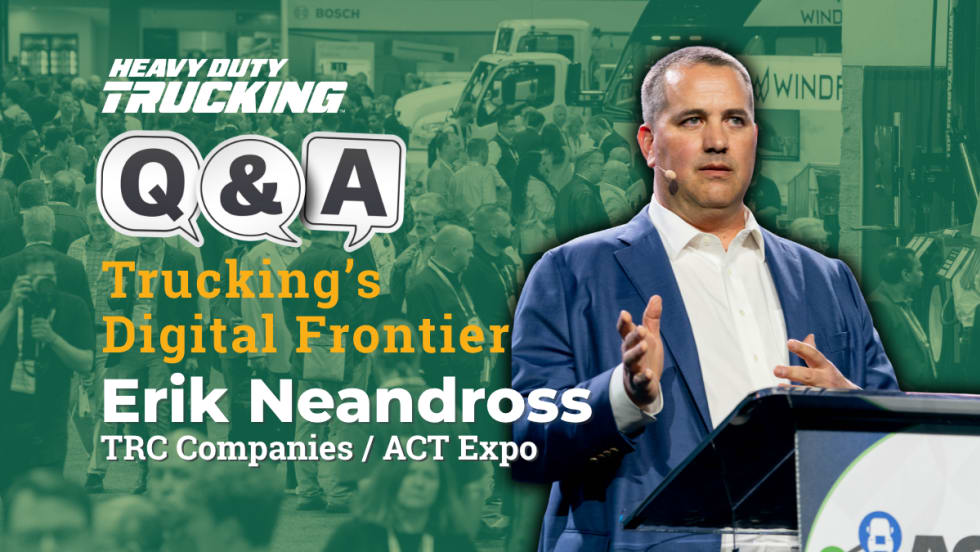
Q&A: What's Real in Advanced Truck Tech? ACT Expo's Erik Neandross Weighs In
The 2026 ACT Expo is focusing heavily on what organizer Erik Neandross calls trucking's digital frontier. This interview excerpt dives into artificial intelligence, zero-emission vehicles, and tips to make sense of it all.
Read More →
Trucking's Digital Frontier: AI, Connected Vehicles, Alternative Fuels and More
There's an amazing amount of new technology for trucking out there. For fleets, the challenge is figuring out what’s real, what’s hype, and what’s worth investing in.
Read More →
What's Real in Advanced Truck Technology? ACT Expo's Erik Neandross Weighs In
Artificial intelligence, the software-defined vehicle, telematics, autonomous trucks, electric trucks and alternative fuels, and more in this HDT Talks Trucking interview
Read More →
ACT: Trucking Volumes Rise, Capacity Tightens as Fuel Prices Cloud Outlook
ACT Research data shows volumes hitting a four-year high and supply-demand balance strengthening, but higher oil prices are undercutting tariff relief and tempering optimism.
Read More →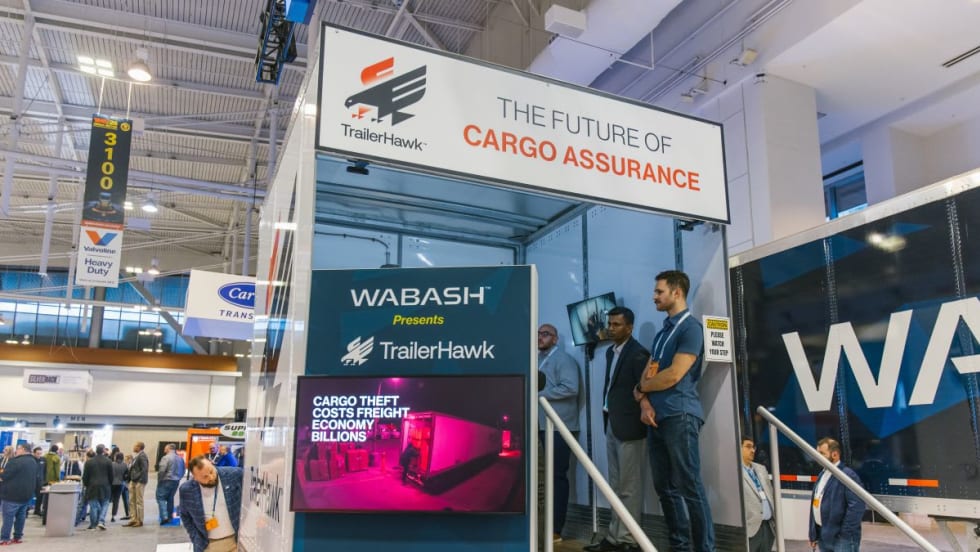
Wabash Teams Physical Security With Digital Tech For Better Cargo Visibility
The patent-pending cargo solution integrates a digitally connected cargo door and an intelligent locking system with the TrailerHawk.AI technology platform.
Read More →
From Diesel Prices to Cyberattacks: How the Iran War Is Affecting Trucking
The impact of the Iran conflict extends beyond fuel costs, bringing more fraud and cybersecurity risks to the trucking industry.
Read More →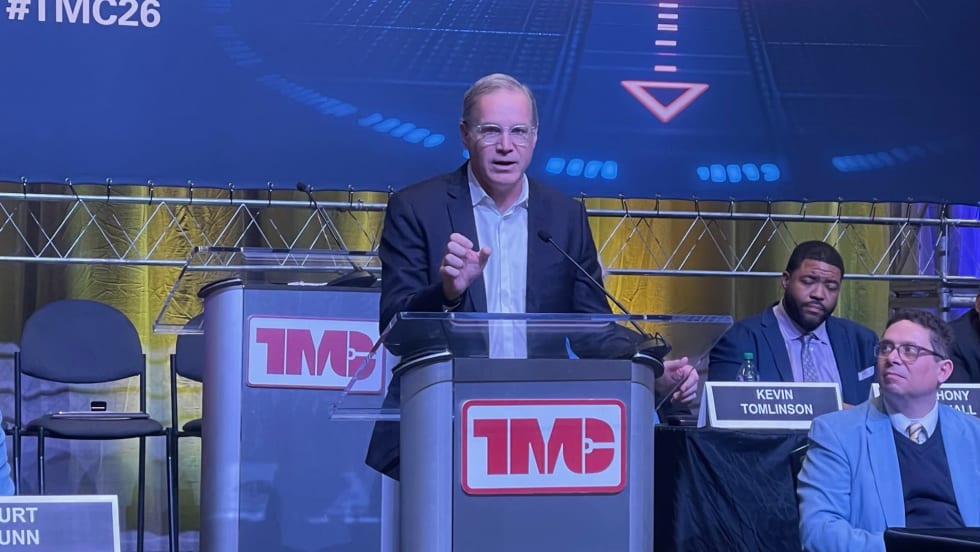
ATA’s Spear Warns Fuel Prices, Trade Policy, and Global Conflict Could Stall Trucking Recovery
Speaking at the TMC Annual Meeting in Nashville, ATA President Chris Spear said trucking faces mounting pressure from rising fuel prices, geopolitical instability, and uncertainty around trade policy.
Read More →
New Entrants, Chameleon Carriers, and Safety: Is It Too Easy to Start a Trucking Company?
More than 100,000 new trucking companies enter the industry each year, but regulators manage to audit only a fraction of them. That churn creates opportunities for inexperienced startups — and for “chameleon carriers” that shut down after safety violations and reappear under new identities. Read more from Deborah Lockridge in this commentary.
Read More →