




Tire Makers Look for Alternatives to Natural Rubber
Although we're in no danger of running short of our primary source of natural rubber, prices have risen dramatically over the past 10 years, contributing to rising prices for tires. Several tire makers are researching other sources of rubber.

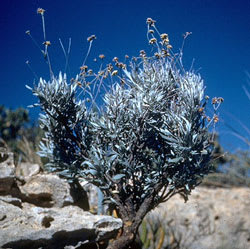
Guayule is a rubber-producing plant that could offer a domestic, and thus more stable, supply.

Although we're in no danger of running short of our primary source of natural rubber, prices have risen dramatically over the past 10 years, contributing to rising prices for tires.
The primary producers of natural rubber are in South and Southeast Asia in countries such as Malaya and Thailand, with some production in tropical West Africa. All those are places subject to damaging seasonal monsoons and other extreme weather conditions, like the one that struck Thailand in 2011. That makes supply a little unpredictable.
Rubber has also recently become a traded commodity, leading to speculative investment, which has driven up prices.
"It's not unlike petroleum markets," says Bill Niaura, Bridgestone Americas' director of new business development. "There are price points where it begins to make economic sense to explore and drill for oil in non-traditional areas. We're now at the point in the rubber industry where it makes sense to look for alternatives."
Enter guayule
There are about 2,000 plant species producing natural rubber, but the Hevea tree is the most productive. In the history of the rubber business, only one other species, guayule, has been used in actual rubber production.
In the 1920s, the Intercontinental Rubber Co. in California produced 1,400 tons of guayule rubber after leaf blight decimated the Brazilian rubber industry.
Guayule also become a replacement for Hevea tree-produced latex rubber during World War II when Japan cut off America's Malaysian latex supplies, says Dennis T. Ray of the School of Plant Sciences, University of Arizona at Tucson. "The war ended before large-scale farming of the guayule plant began, and the project was scrapped."
Unlike the hevea tree, which grows in tropical climates, guayule grows in the arid climates of the U.S. southwest – Arizona being particularly well-suited to the plant.
Hevea is essentially the sole source of natural rubber today, but active research and development programs are underway to domesticate and commercialize guayule – two are led by tire manufacturers Bridgestone and Cooper Tire & Rubber Co.
A consortium consisting of Cooper Tire & Rubber Co., Yulex Corp., Arizona State University and the Agricultural Research Service of the U.S. Department of Agriculture are working under a $6.9 million Biomass Research and Development Initiative grant from the USDA and the U.S. Department of Energy.
The BRDI is a joint effort between the USDA and the DOE to develop feedstocks for bio-fuels and bio-based products, including rubber from guayule.
The consortium members aim to harness biopolymers extracted from guayule as a replacement for petroleum-based synthetics and tropical-based natural rubber used in the manufacture of tires.
Meanwhile, Bridgestone has its own plans for a guayule research farm near Eloy, Ariz., and a research center in nearby Mesa, Ariz.
A 281-acre agricultural site in Eloy will serve as the base of its agricultural research operation, and will supply guayule for the company's process research center in nearby Mesa.
"Material-wise, guayule is the same polymer as hevea rubber, but it diversifies our supply," Niaura says. "In terms of plant biology and regionality, it's domestic to the Americas, but there are still challenges ahead. Guayule is not a commercial crop, so we have to develop the agricultural aspect as well as the process aspect."
The facility is expected to be fully operational in 2014, with trial rubber production starting in 2015.
More rubber alternatives

Scientists from the Fraunhofer Society in Germany have discovered that the milky sap of the dandelion contains raw rubber of the same quality as that found in rubber trees.
While the commercial production of dandelion rubber is still only a vision for the future, Continental AG intends to pursue this alternative source of natural rubber for tire and technical rubber applications.
Continental has been pursuing the research into dandelion rubber since 2007, and is currently working in a research consortium to explore the capabilities of the Russian dandelion species, which provides a higher yield of natural rubber than the common dandelion.
Yokohama currently uses oil from orange peels in one model of passenger car tire, says Rick Phillips, director of commercial sales at Yokohama Tire Corp. "It's an oil substitute that improves traction. It displaces some oil in just those tires at the moment, but we're looking at ways to use it in commercial tires."
Goodyear is looking at soybean oil as a way to help reduce the amount of petroleum-based oil used in tires.
"Goodyear researchers have learned via testing that using soybean oil in tires can potentially boost tread life by 10%," says Mike Manges, Goodyear's Communications manager for commercial tires. "As well, Goodyear and DuPont Industrial Biosciences are working together to develop BioIsoprene, a revolutionary bio-based alternative for petroleum-derived isoprene (synthetic rubber)."
More Equipment
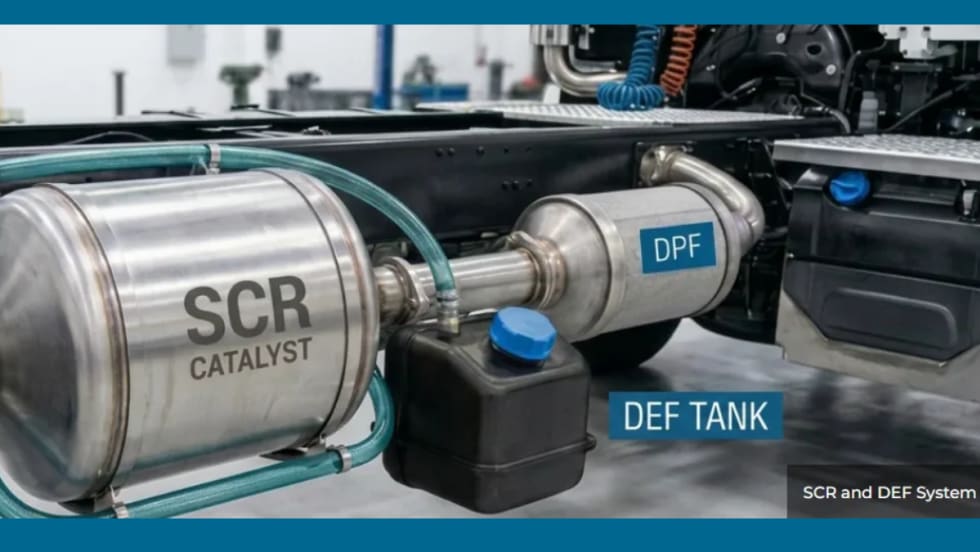
Engine Technology Forum Launches SCR, DEF Resource Center Amid Emissions Debate
The Engine Technology Forum’s new online hub aims to provide fleets, policymakers, and equipment owners with fact-based information about selective catalytic reduction technology, diesel exhaust fluid and emissions compliance.
Read More →
Prime Inc. to Open $7.9M Flagship Used-Truck Dealership
A new driver-focused facility to sell Prime Inc's used trucks and trailers will be the first purpose-built location in the company's history.
Read More →
Lessons Learned About Alternative Fuels: Start Small, Stay Flexible
Practical advice on adopting alternative fuels and ZEVs from HDT's 2026 Top Green Fleets, from renewable diesel and natural gas to electric trucks.
Read More →
Kenworth Names Peter Ahrens General Manager
Leadership changes at Kenworth take effect July 1 as the OEM promotes two longtime Paccar executives to key management roles.
Read More →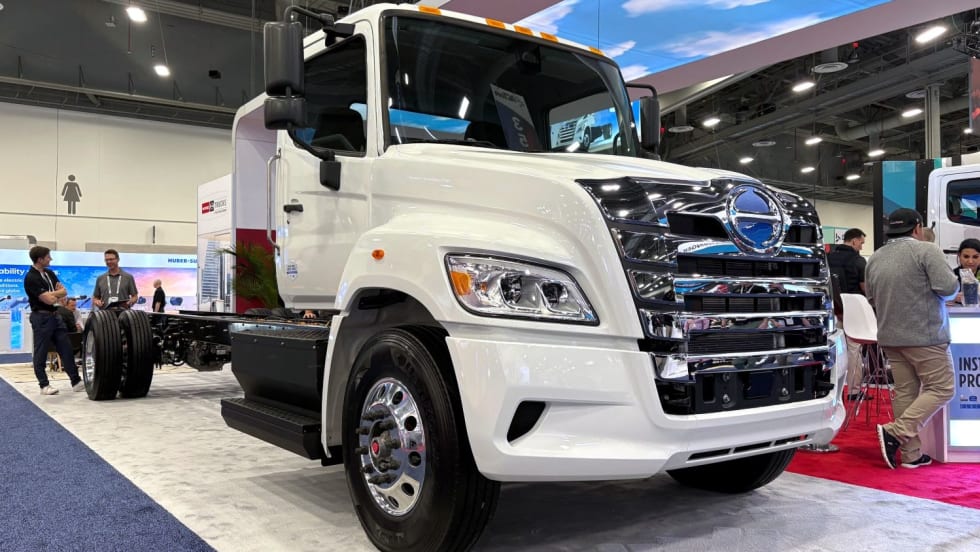
Hino Adds Electric Class 6/7 Truck
Hino says the Le Series is an important step in the company's efforts to reduce environmental impact and support its customers’ sustainability goals.
Read More →
ACT Expo 2026: Highlights in Photos
The 2026 Advanced Clean Transportation Expo featured a broad range of commercial vehicle technologies, from EVs to autonomous trucks to the latest diesel and alternative-fuel engines.
Read More →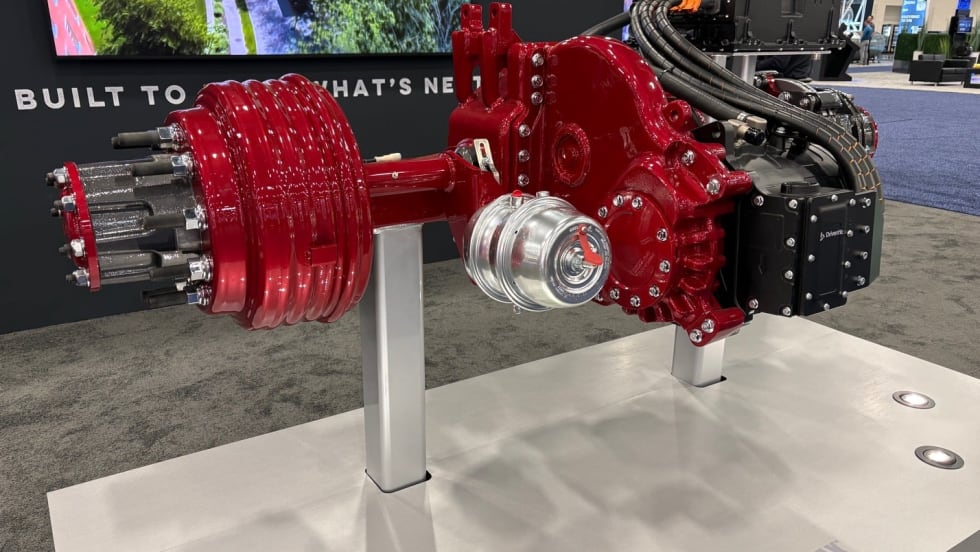
Hendrickson Debuts Electraax E-Axle for Medium-Duty Trucks
Developed with Driventic, Hendrickson's new integrated e-axle is designed to improve efficiency, reduce weight, and extend range in Class 6-7 EV applications.
Read More →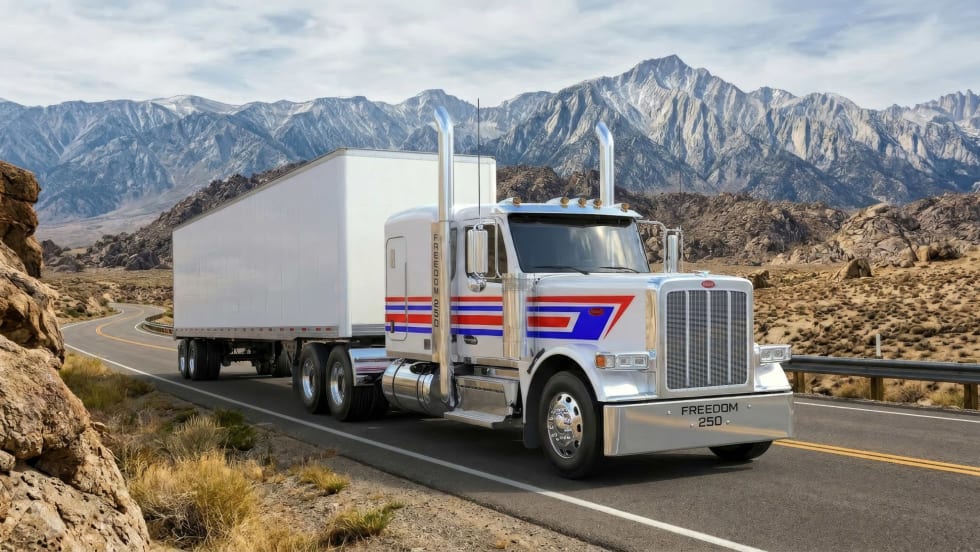
Peterbilt Unveils Freedom 250 Special Edition Model 589
Peterbilt’s just-announced limited-run patriotic Model 579 tractor celebrates America’s 250th birthday with custom styling and premium features.
Read More →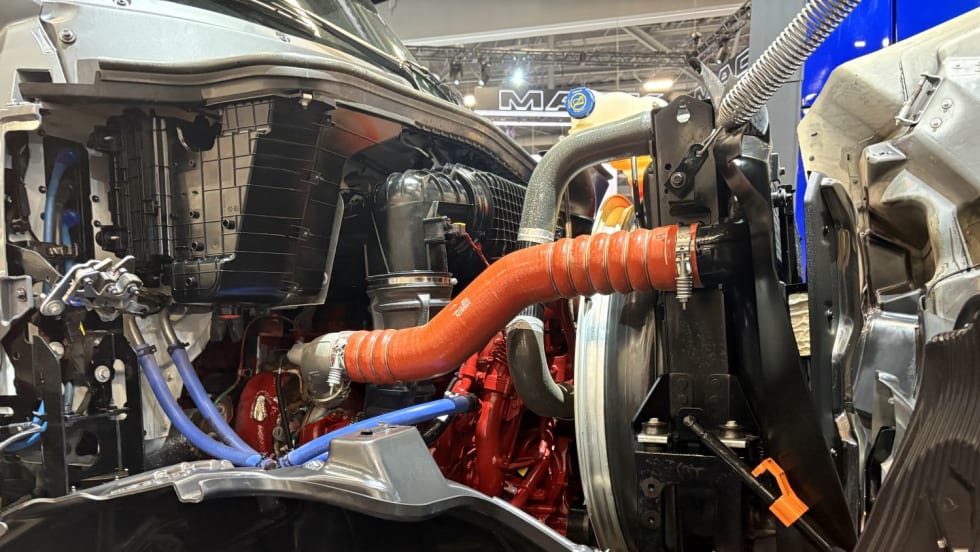
Mack Unveils EPA 2027-Compliant MP13 Engine With More Power, Better Fuel Economy
Along with unveiling its EPA 2027-compliant MP13 engine, Mack outlined powertrain changes across its Class 6-8 lineup, including new Cummins-based X10 engines.
Read More →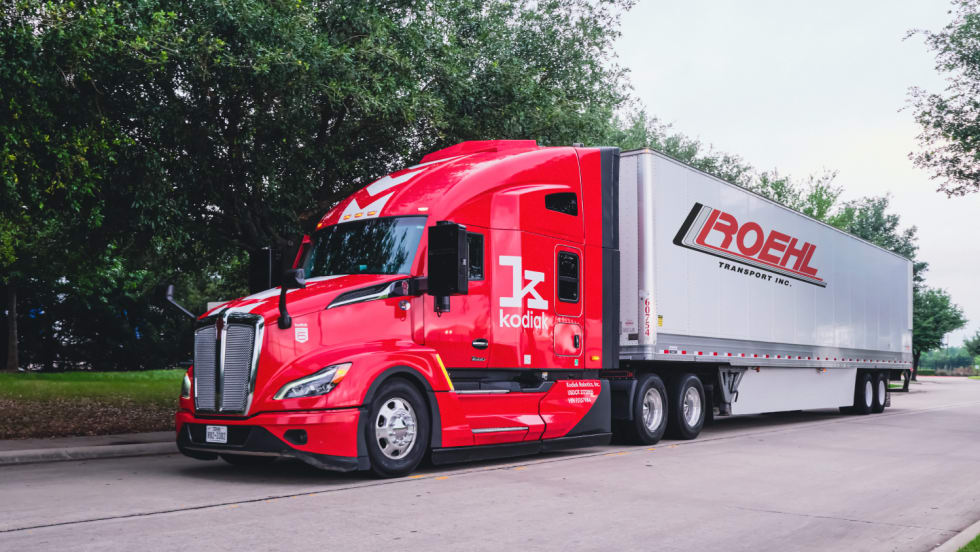
Kodiak and Roehl Transport Launch Autonomous Route Between Dallas and Houston
Kodiak AI and Roehl Transport have begun autonomous freight operations on a regular Dallas-Houston route, marking another step toward Kodiak’s planned driverless launch by the end of 2026.
Read More →