





What's this foreign truck doing in the hands of an agency of one of these United States? Helping West Virginia's Department of Highways maintain roads and bridges, and plowing snow and spreading salt in the winter.
Test Drive: Hino 338 Dumper
What's this foreign truck doing in the hands of an agency of one of these United States? Helping West Virginia's Department of Highways maintain roads and bridges, and plowing snow and spreading salt in the winter.
December 29, 2010
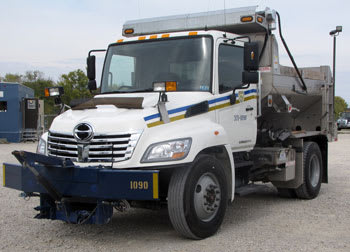
This compact but tough Hino 338 is one of 175 ordered by West Virginia's Highway Department. The 2010 model has old wing-like grille bars; new 2011s have blockier styling. (Photo by Tom Berg)
7 min to read
And it's a mostly American truck, assembled in Williamstown, W.Va., from components mostly made in the USA - enough to meet Buy America requirements in state and municipal contracts, though some major items come from Japan.
This 2010-model 338 conventional-cab dump truck is one of 175 units Hino is building for the highway department. The dealer, Matheny Motor Truck Co. in Mineral Wells, won the contract with a bid that was $3,000 per truck less than the nearest competitor, according to Mike Matheny, the dealership's owner. So far the customer is very pleased.
"That truck's built better than any truck in any factory I've ever seen," declared Bob Andrew, director of the Equipment Division for the state's Department of Transportation. He listed good outward visibility, the stout cab, and the proven and reliable six-cylinder diesel as some of the truck's attributes. "That's why I think it's the best truck goin' right now."
Andrew's department tested out a single Hino truck last year. He and others liked what they saw, and feel good about ordering this home-built batch. The initial Hinos with pre-2010 diesels will be followed by another single unit to test the urea-injection system on its 2010-legal engine. Partly due to the new, costlier engine, a 2011-model truck lists at $12,528 more than the one I drove, he said. So he figured he saved the state's taxpayers more than $1.2 million by ordering those 175 trucks with the pre-10 engines.
Hino got its start in the U.S. in the early 1980s by importing low-cab-forward models that earned a reputation for reliability and long life. However, early cabs rusted in climates where salt was used on roads, so better steel was substituted. Most of those who owned those cabovers loved them, but sales always stayed low, because most North American truck buyers prefer conventionals.
Early this decade Hino switched to conventionals, assembled first in California and now in West Virginia, and sales climbed in response. In April, a Hino 268 was named Medium-Duty Truck of the Year in the American Truck Dealers' second annual judging, of which I was a part. That truck carried a reefer body. The one I drove for this test had a dump body.
The truck
Bob Andrew first listed "good visibility for the driver" as a desirable feature, and that matched my first visual impression. The windshield is huge, and the hood slopes steeply downward so the driver can see everything up front. Door windows are big, so visibility to the sides is also good.
But that big one-piece windshield glass also made me think it might pick up stone fractures and be expensive to replace. In fact, in this truck there was a chip on the passenger side of the windshield. Andrew told me his fleet doesn't see a lot of windshield damage and that the chip I saw was the first he'd heard of with the young Hinos. But he had Dan Taylor, manager of the station to which our test truck is assigned, check a replacement windshield's cost. Taylor reported that new glass is priced at $185.35 and a new rubber seal at $87.30, plus a little labor to install them - all told, not a lot of money.
Tough bodies
Like the trucks they're replacing, the Hino dumpers haul rock for road building and maintenance, like tarring and chipping of old asphalt, and are used for snow plowing and ice control in the winter. Those duties are reflected in their specs, which result in a compact but rugged package. Overall length is only 22.5 feet including the 10-foot-long Henderson dump body. The body is stainless steel so it can haul a good load of salt - 3 tons more than a V-bottom insert - without corroding.
A body with a stainless steel bed costs somewhat more than one of mild steel, but it resists rust and doesn't have to be painted and repainted, noted Dave Biczel, president of Ace Truck Equipment in Zanesville, Ohio, which supplies the bodies for this contract. Andrew expects the body to last 10 years, then another 10 on a second new chassis. He said he's following the lead of the DOT in neighboring Ohio, which went the stainless route about a decade ago.
The Hino's hefty frame includes 23-inch straight-through rail extensions ahead of the nose to support the Henderson plow mount. The plow itself was absent on this warm, breezy day, but a hanger jutted out several feet and I had to remember to stop short of vehicles ahead of me at traffic lights or I might've speared 'em in the rear.
The "33" in the 338's designation means 33,000 pounds, the truck's gross vehicle weight rating. The capacities of the Meritor axles were 14,000 pounds front and 23,000 pounds rear, enough for a 37,000-pound rating, but Andrews indicated he chose the axles more for durability than for carrying weight. The front, though, does get heavy when a wide steel plow is hung. A plow weighs as much as 2,400 pounds, though the latest ones are shorter and lighter, at 1,800 pounds.
The "8" in the designation refers to the 8-liter inline six-cylinder diesel, rated at 260 horsepower and 660 pounds-feet. JO8E-VB engines are made in Japan and shipped in containers to the Williamstown plant. This engine's B50 life is 500,000 miles, meaning at least half of them should still be running without many repairs at half a million miles. Hino claims that this is longer than any other comparable engine from any competitor, and so is the recently announced basic engine warranty, five years and 250,000 miles.
Made in America?
Fully trimmed cabs also come from Japan, though in the not-too-distant future they might be made in North America, executives said. Already sourced in the U.S. are most other components: the aforementioned axles, plus transmissions, springs, tanks, hangers and thousands of other items. Frame rails come from Hino's parts plant in Arkansas. They arrive pre-punched and ready to take crossmembers, suspensions, tanks, powertrain mounts and everything else for each truck.
Andrew said he was impressed by the build quality in this plant, and he liked the lack of robots. Human beings use lift-assist equipment, power tools, computer tracking and skill to precisely assemble the trucks. Many workers were trained in state-funded classes; a handful of Japanese supervisors from the mother company ensure that things are put together correctly, but top managers are American. About 200 people are now employed on one shift with five nine-hour days. That will expand as sales climb.
The drive
The engine in the test truck was a pre-2010 model with a diesel particulate filter but no exhaust aftertreatment. Hino's EPA 2010 engines use selective catalytic reduction with urea injection, and these were going into the chassis on the line when I was there in mid October. The aftertreatment apparatus is housed in a compact cube under the cab's floor on the right side. Pains were taken to keep the back-of-cab area clear for easy mounting of bodies.
The engine runs through a 3500-series Allison 6-speed automatic, which makes the truck easy to drive while cushioning the driveline. An Allison drives pretty much like the tranny in your car or pickup: Select D and go, or R if you want to go backwards. This selector lets the driver pick 1st through 5th and hold it to control speed during plowing and other steady speed work. The detents are close together, and I had to look at the selector to see what gear I was choosing. So I usually just left the tranny in D and let it decide when to change ratios, which was usually around 1,800 or 1,900 rpm.
This was not the quickest truck I've ever driven, but it was no slug, either. With nothing in the dump box, acceleration was fast enough to keep up with traffic in town, and it cruised nice
Subscribe to Our Newsletter
More Equipment
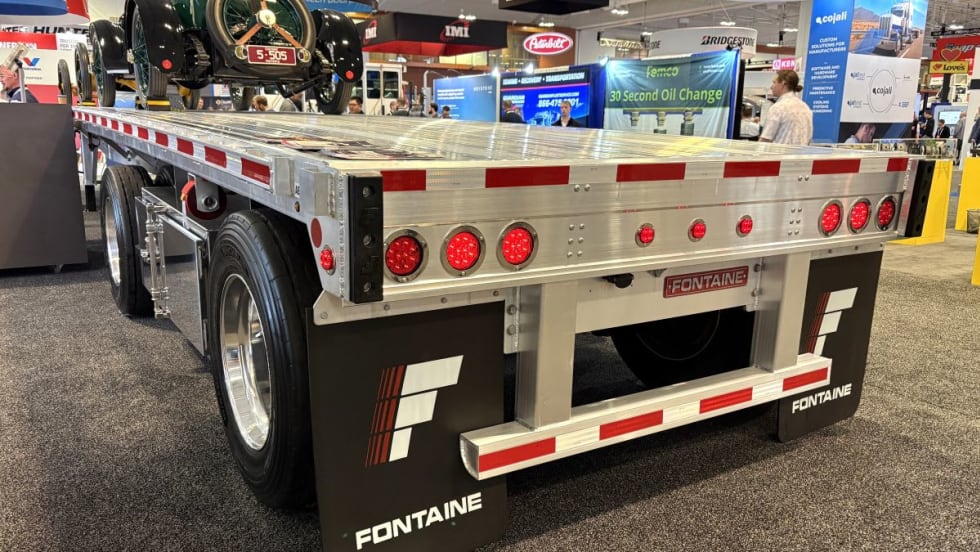
Fontaine Expands Flatbed Lineup with New Fleet-Focused Models, Eyes 2027 Launch
Fontaine is broadening its flatbed lineup with new models aimed at fleets, including a lightweight aluminum trailer expected in 2027 that emphasizes durability, repairability, and lower cost.
Read More →
Fontaine's Fleet-Focused Force Flatbed Prototype [Watch]
A new prototype from Fontaine Trailer focuses on what fleets say they need most: easier repairs, lower maintenance costs, and practical, service-friendly design.
Read More →
From Long Haul to Short Loops: The New Math Behind Day Cabs
As warehouse networks expand, predictable regional routes are replacing long-haul runs—reshaping how fleets spec, operate, and resell day cabs.
Read More →
Hyundai Translead Bringing Trailer Production to U.S.
The new Hyundai Translead production sites will improve trailer and body delivery to customers by reducing lead times and leveraging a growing dealer network.
Read More →
HDT Honors the Best New Products of 2025 at TMC [Photos]
Heavy Duty Trucking's Top 20 Products awards recognize the best new products and technologies. Check out the award presentations at the 2026 Technology & Maintenance Council annual meeting.
Read More →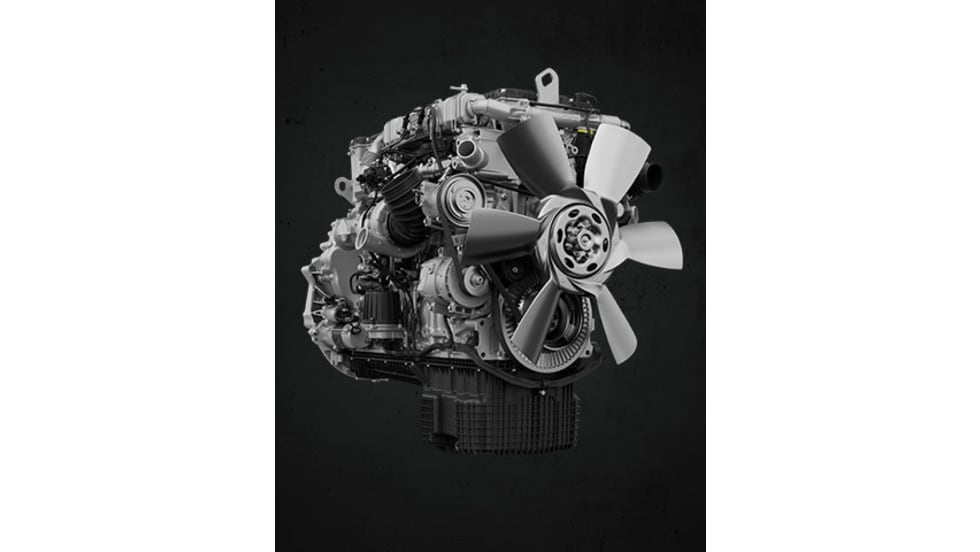
Sponsored•March 31, 2026
Detroit Engines: Trusted Performance, Built for What's Next
The Detroit® Gen 6 engine platform proves that real progress doesn’t require a complete redesign. Built on 20 years of trusted technology, these engines are designed for efficiency, stronger performance, and greater reliability than before. And they do it all while complying with 2027 EPA standards on every mile.
Read More →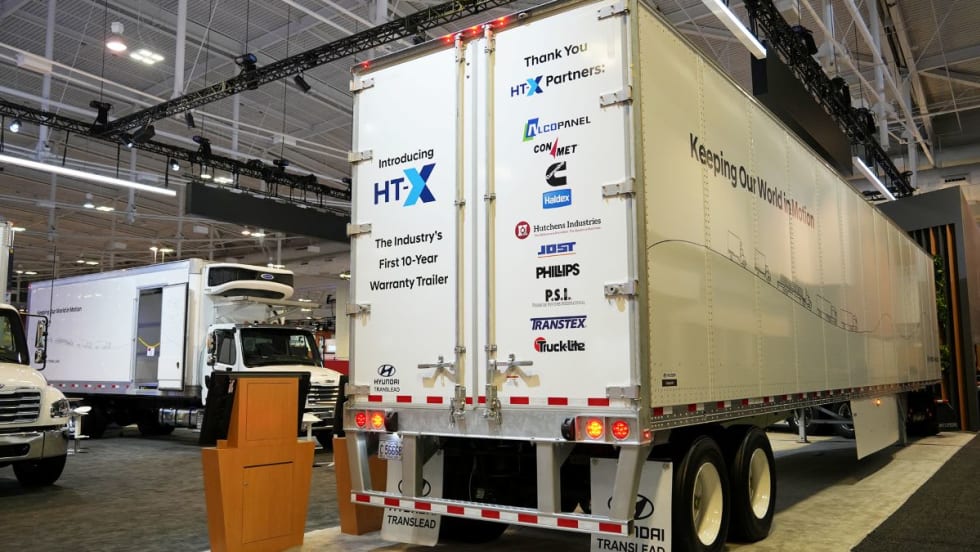
Hyundai Translead Expands Trailer Tech, Introduces Long-Life Dry Van, New Refrigerated Body
Smart safety systems, AI-powered visibility, a 10-year-warranty dry van, and a modular refrigerated body debuted at TMC.
Read More →
EPA Targets DEF Sensor Failures Behind Truck Derates
New guidance allows engine makers to replace problematic DEF sensors with NOx-based systems, aiming to reduce unnecessary derates and downtime caused by failures in the sensors designed to monitor diesel exhaust fluid on trucks.
Read More →
Heavy Duty Trucking is Searching for the Top Green Fleets of 2026
Is your company a leader in sustainability efforts among trucking fleets? If so, Heavy Duty Trucking's editors want to hear from you.
Read More →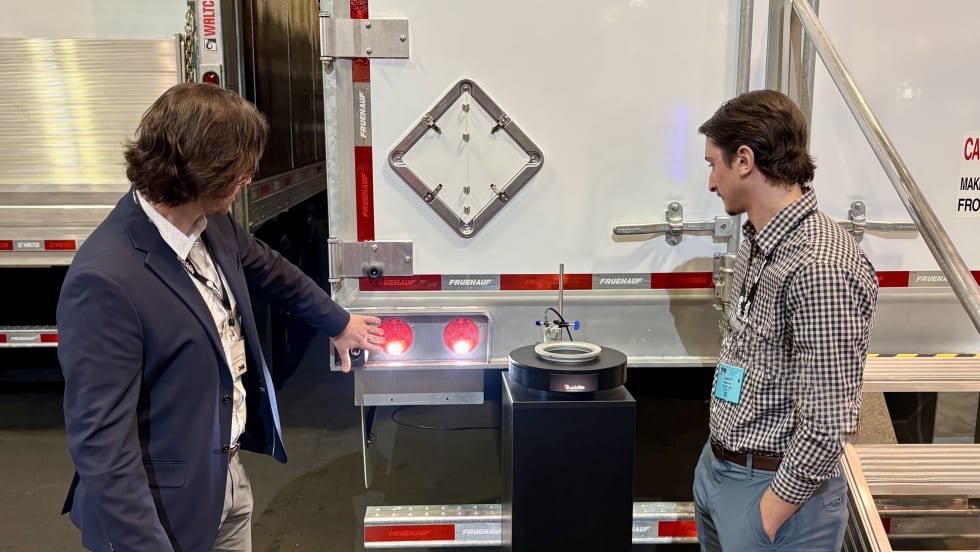
Clarience Technologies Expands Safety and Visibility Portfolio at TMC
From advanced connectivity to AI-powered cameras and next-gen fuel filtration, Clarience companies outlined a roadmap for safer, more connected trailers at TMC’s Annual Meeting.
Read More →