



Allison Transmission has begun offering its xFE fuel-saving technology on two more of its medium-duty transmissions, including the 1000 Series and 2000 Series, the company has announced.
 MENU
MENU SEARCH
Allison Transmission has begun offering its xFE fuel-saving technology on two more of its medium-duty transmissions, including the 1000 Series and 2000 Series, the company has announced.
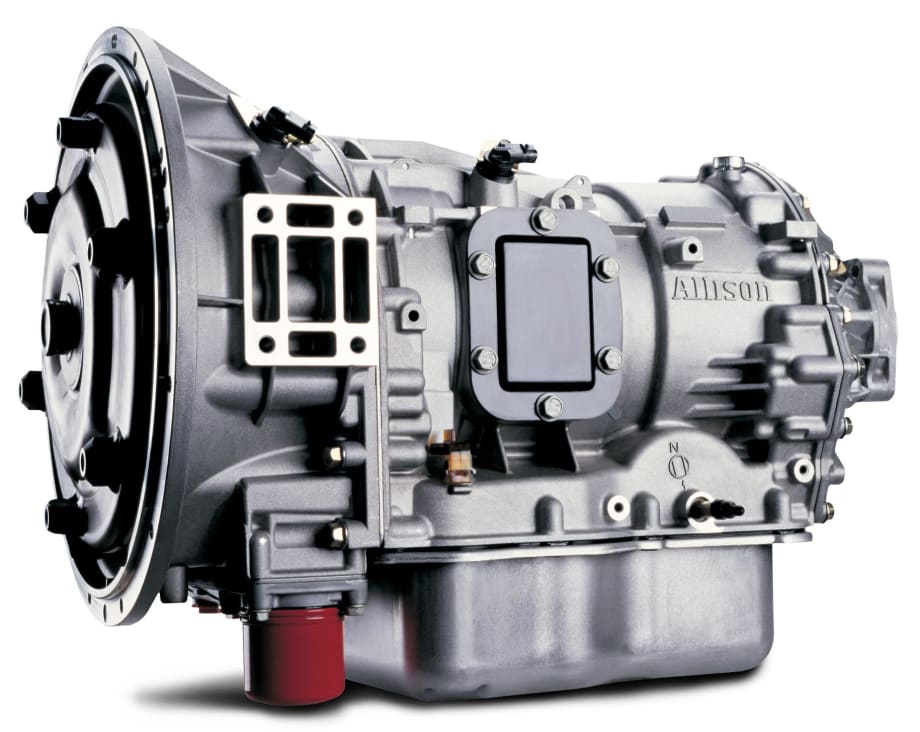
Photo of 1000/2000 Series transmission courtesy of Allison.
Allison Transmission has begun offering its xFE fuel-saving technology on two more of its medium-duty transmissions, including the 1000 Series and 2000 Series, the company has announced.
The xFE technology, which stands for extra fuel economy, can improve fuel efficiency by 7% when compared to baseline models. The technology was previously available on select 3000 Series models.
The 1000 Series and 2000 Series transmissions are usually paired with smaller medium-duty trucks and buses. They offer the same ratings as current models and incorporate a redesigned torque converter damper coupled with the FuelSense 2.0 Max package. The damper enables first range lock up and delivers significantly more lock up operation, according to the company. They operate at lower engine speeds in higher ranges to further improve fuel economy. The xFE transmissions are compatible with alternative fuel engines.
Allison debuted its xFE transmissions in 2015 for 3000 Series buses. FuelSense 2.0 with DynActive shifting debuted in March. Allison employs a series of software enhancements to provide a variable combination of shift points and learning algorithm that searches for the ideal balance of fuel economy and performance.
Allison transmissions also use Continuous Power Technology to smoothly multiple engine torque and deliver more power to the wheels.
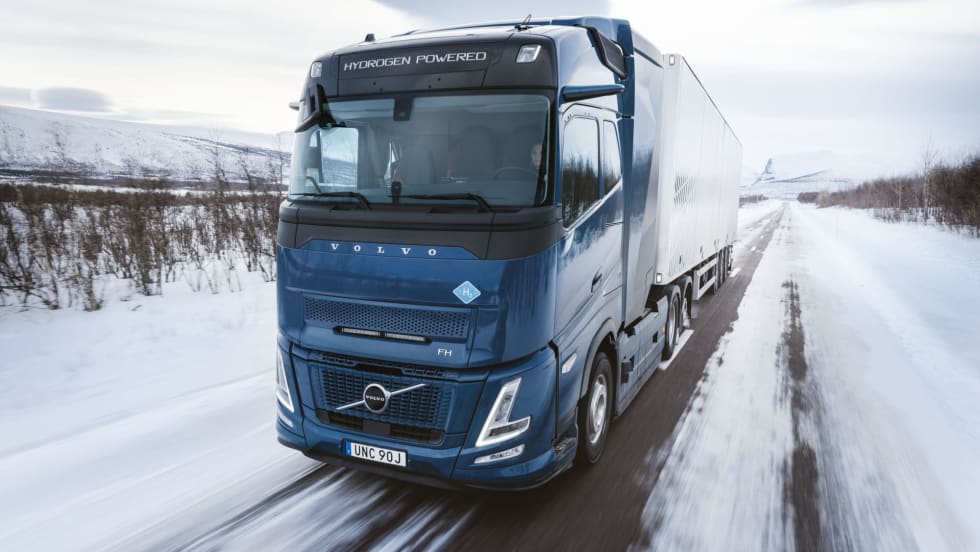
Hydrogen combustion engine trucks will be especially suitable over longer distances and in regions where there is limited charging infrastructure or time for recharging of battery-electric trucks, according to the company.
Read More →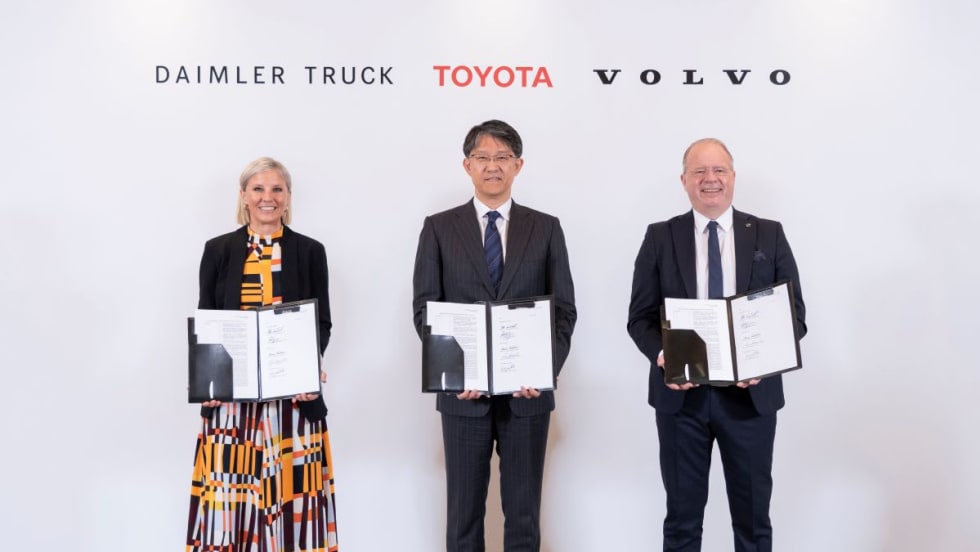
By joining Daimler Truck and Volvo, Toyota brings fuel cell expertise to a joint effort aimed at making hydrogen viable for heavy-duty transport.
Read More →
Trucking operators are slowing speeds, cutting empty miles, and declining unprofitable freight as diesel costs continue to rise due to conflict in the Middle East.
Read More →
New guidance allows engine makers to replace problematic DEF sensors with NOx-based systems, aiming to reduce unnecessary derates and downtime caused by failures in the sensors designed to monitor diesel exhaust fluid on trucks.
Read More →
Is your company a leader in sustainability efforts among trucking fleets? If so, Heavy Duty Trucking's editors want to hear from you.
Read More →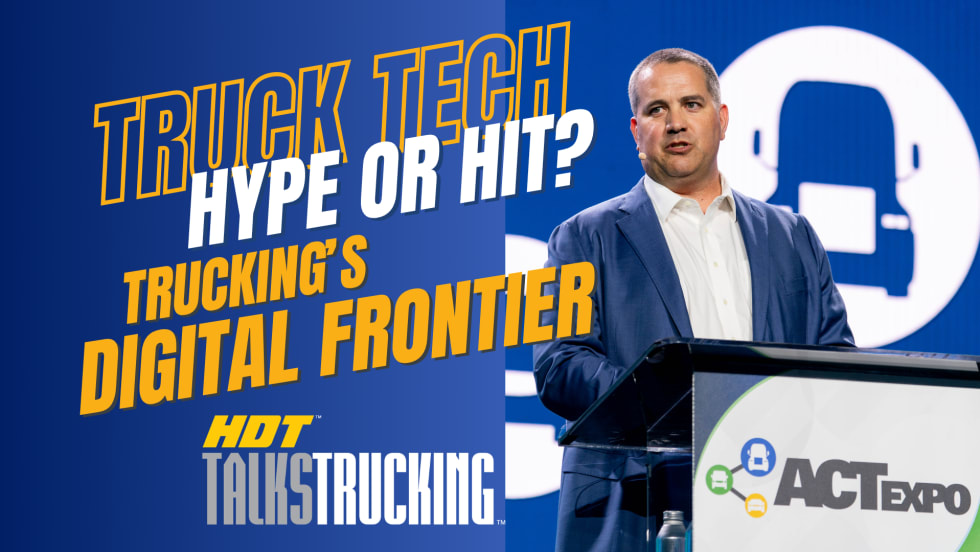
Artificial intelligence, the software-defined vehicle, telematics, autonomous trucks, electric trucks and alternative fuels, and more in this HDT Talks Trucking interview
Read More →With global oil flows disrupted, U.S. diesel prices have topped $5 across every region, climbing sharply in the past few weeks.
Read More →
The impact of the Iran conflict extends beyond fuel costs, bringing more fraud and cybersecurity risks to the trucking industry.
Read More →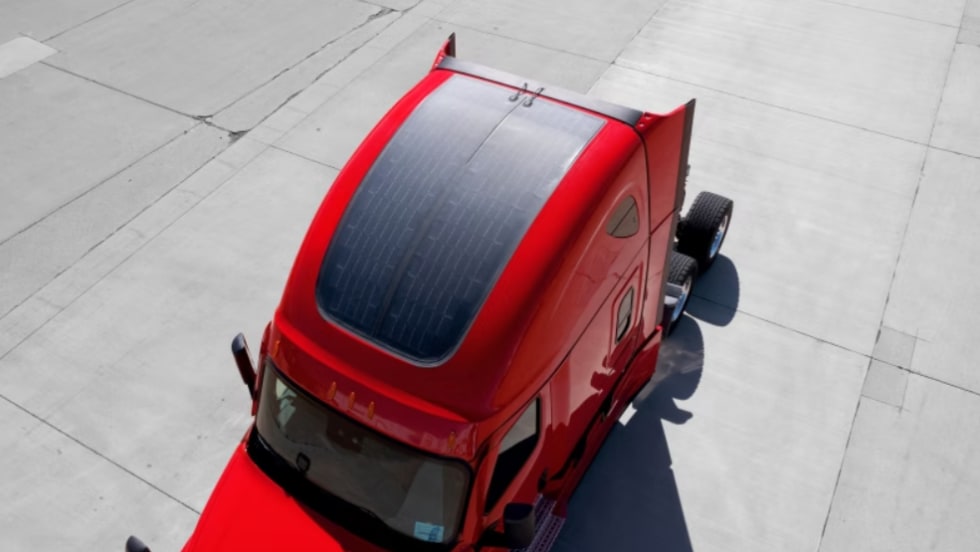
The company’s expanded EPEQ ecosystem includes flexible solar panels, lithium batteries, hydraulic power systems, and a portable fast charger for electric trucks.
Read More →
Listen as Mike Roeth of the North American Council for Freight Efficiency shares insights into battery-electric trucks, natural gas, biofuels, and clean diesel on this episode of HDT Talks Trucking.
Read More →