




Related: Electric Trucks Start to Appear at California Ports
California Gears up for Stricter Diesel Truck Emissions Regulations
Diesel-powered trucks appear to be in the crosshairs once again as California legislators, citing overwhelming public support, call for even tougher emissions regulations.
by Staff
August 29, 2017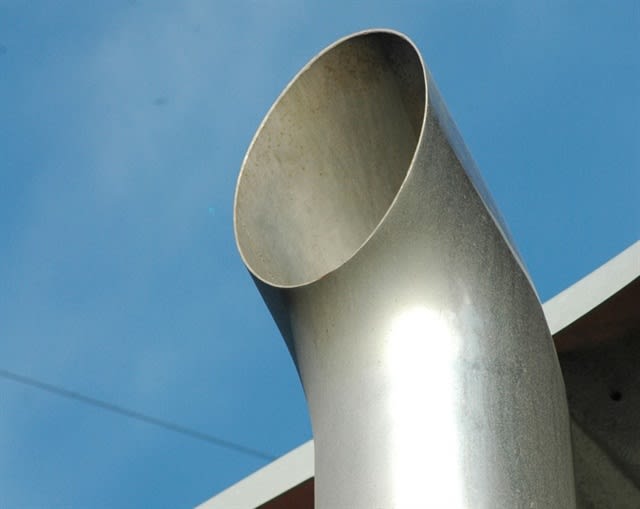
California legislators may soon target older diesel trucks in a new round of tough state emissions regulations. Photo: Jim Park
6 min to read
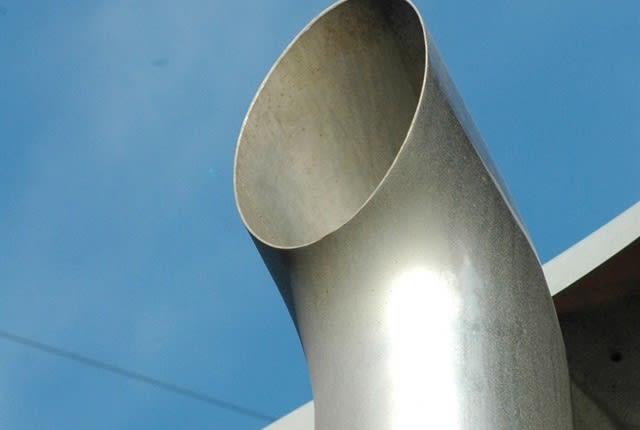
California legislators may soon target older diesel trucks in a new round of tough state emissions regulations. Photo: Jim Park
California seems determined to defy the Trump administration’s efforts to turn back the clock on The Paris Accords and other emissions control measures. Four California state senators have called for significantly increased state funding to further reduce emissions from trucks and buses in the state. The legislators said such funding is needed to improve air quality and help reduce toxic emissions along freight corridors and near ports and schools.
California state Senators Ricardo Lara, Nancy Skinner, Richard Pan, and Bob Wiechowski led the call.
In the final weeks of the 2017 legislative session, the senators are calling for $1 billion in funding from the California greenhouse gas Cap-and-Trade program to be focused on cleaner trucks and buses. This would amount to a tripling of the amount of funds spent last year.
It comes on the heels of just-released study by The Diesel Technology forum, which polled Californians and found that an overwhelming majority of respondents support tougher emissions reduction standards and technologies in the Golden State.
The Diesel Technology Forum is a national association of diesel vehicle, engine and equipment makers, suppliers and fuel providers. The survey of 2,190 registered voters found that 89% of California voters believe a balanced mix of energy and transportation options is needed to achieve cleaner air and lower carbon required by the California Air Resources Board's 2030 and 2050 deadlines.
The survey also found that some 75% of registered voters agree California must balance its investments between proven technologies and those that might benefit the future. In ddition, Californians said they see low emission vehicles and reduced fuel consumption as the largest contributors to better air quality. Of those surveyed, 73% view clean diesel technologies as positive contributors to air quality.
We're at the State Capitol to check out #cleantruckbus day. Clean transportation leads to cleaner air! pic.twitter.com/ZlR4haJzL9
— CA Lung Policy (@CALungPolicy) August 29, 2017
Calstart, which bills itself as the nation’s largest clean transportation technology industry organization, strongly backed the call made by the state senators for tougher air quality standards.
“We are at a pivotal point where the technology is emerging, and we now have the chance to move toward a future where trucks and buses produce either zero or virtually zero emissions," said Bill Van Amburg, Calstart senior vice president. "In addition to improving public health, California policies are resulting in significant new job creation. Companies are moving to California to build trucks and buses because this is where the market is growing the fastest.”
"California is at a crossroads," said Allen Schaeffer, executive director of the Diesel Technology Forum. "Substantial clean air challenges are yet to be met, while new aggressive climate and carbon commitments have been adopted, making decisions on fund allocations increasingly important. Our data shows 64% of Californians believe investments in clean transportation need to be balanced by continued use of existing, abundant and low-cost clean technologies and fuels such as clean diesel, at least until alternative energy sources are more available and cost-effective."
Zero and Near Zero Emission Truck Tech Improving - But Early Market Needs Boost from CA Cap & Trade funding #cleantruckbus@JerryBrownGovpic.twitter.com/l3tBAxX5ph
— CALSTART (@calstart) August 29, 2017
Tthe senators are calling for $1 billion in funding from the California greenhouse gas Cap-and-Trade program to be focused on cleaner trucks and buses.
In addition, California is set to receive approximately $423 million as part of the emissions settlement from the Volkswagen (VW) Environmental Mitigation Trust, part of the settlement from last year when the German automaker was found to have “fixed” passenger cars to comply with emissions standards during testing but exceed those standards during normal use. This money is earmarked for projects that immediately reduce emissions of oxides of nitrogen (NOx), to mitigate the excessive NOx generated by diesel VW cars operating in California. In addition, California's recently extended carbon cap-and-trade program makes available nearly $2 billion for carbon reduction projects in the 2017-2018 budget year.
“Across all regions, more than three-quarters of Californians clearly want to see this money, already earmarked for air quality mitigation, targeted to areas where it can have the greatest impact on the most people, in the most cost-effective way, targeting the largest sources of NOx emissions in a timely manner," said Schaeffer. "Policymakers should take heed that voters want state funds allocated based on a clear understanding of what all citizens and industries need on a region-by-region level."
The Diesel Technology Forum's survey data also highlighted opinions on the effectiveness of California's existing air quality regulations vary by region. Voters in the Central Valley say conditions have deteriorated over the last 10 years, while South Coast residents say conditions have improved.
Applying VW settlement funds and carbon auction revenue to replace or repower California's largest and oldest trucks, industrial marine and locomotive engines with new technology would yield immediate and significant NOx benefits at the lowest cost per ton, compared to electrification and other as-yet commercially widespread technologies, say proponents.
Trucks Could Bear the Brunt of New Regulations
The Diesel Technology Forum report also noted that only around 23% of California's commercial heavy-duty diesel trucking fleet – the largest in the United States at nearly a million vehicles – uses the newest, cleanest diesel technology, according the Forum's analysis of IHS Markit data. The national average is 30% adoption.
"It's astounding that the state that leads the nation in electric car registrations ranks 47th out of the 50 U.S. states for adoption of the latest in low-emission commercial truck technology," said Schaeffer. "Investments in future technologies, while important, won't pay significant clean air dividends for decades. In contrast, the newest and cleanest diesel engines, trucks and machines are on dealer lots today. Californians shouldn't have to wait for cleaner air when cleaner trucks are available right now."
According to the Diesel Technology Forum, some of the oldest trucks operating in California today have 60 times the emissions of a new diesel truck. Meanwhile, the newest clean diesel technologies offer 90% fewer emissions than older models, and some clean diesel options are 200 times or more cost-effective at reducing NOx than other alternative fuel strategies.
The report also cites U.S. Department of Transportation data, which noted that using the latest emissions model generated by the U.S. Environmental Protection Agency, one ton of NOx emissions may be eliminated by investing, on average, $20,000 in clean diesel technology – compared to investing $1 million in alternative fuel infrastructure. Moreover, the South Coast Air Quality Management District estimates that NOx emissions could fall by 70% or 86 tons each day if every commercial truck in the region were powered by the latest clean diesel engine.
"State air regulators have said the fastest reductions in NOx emissions in 2035 won't come from power plants or even the electrification of passenger vehicles," said Schaeffer, "but rather from the turnover of older commercial trucks powered with the latest clean diesel engines. It's a proven strategy, as evidenced by the clean truck programs enacted by the ports of Los Angeles and Long Beach. These programs moved truckers to newer technology so quickly that port pollution was reduced by 70% in only one year."
More Fleet Management

Sponsored•September 14, 2026
2026 Blueprint for Countering Smarter Supply Chain Theft
Cargo theft is no longer just the cost of doing business. It's a multi-billion-dollar criminal enterprise exploiting vulnerabilities across your fleet, drivers, and supply chain.
Read More →
Sponsored•September 1, 2026
How Telematics Improves Visibility, Control, and Performance in Refrigerated Fleets
Explore how telematics help refrigerated fleets improve visibility, uptime, efficiency, compliance, and cargo protection across connected cold chain operations.
Read More →
What the U.S.-Canada Trade War Means for Trucking
Escalating U.S.-Canada tariffs could disrupt cross-border freight, reduce truck volumes, raise costs, and create new uncertainty for carriers on both sides of the border.
Read More →

What Are Trucking’s Top Concerns for 2026?
The American Transportation Research Institute wants to know what's worrying trucking fleet managers, drivers, and other stakeholders in its annual Industry Issues survey.
Read More →
American Trucking Associations Looks for a New Leader
ATA President and CEO Chris Spear abruptly left his job at the association on August 21, at a pivotal time for the trucking industry.
Read More →
Public Wi-Fi Cybersecurity Risks: How Truck Drivers and Fleets Can Protect Their Data
Public Wi-Fi can expose truck drivers and fleets to credential theft, malware, and other cyber threats. Here’s how to reduce the risk on the road.
Read More →
For Nicky Cupp, Fleet Innovation Starts With Frustration
HDT Truck Fleet Innovator Nicky Cupp turns everyday pain points at Fraley & Schilling into opportunities for better technology and smarter processes.
Read More →
Adam Buttgenbach’s Approach to Electric Trucks: Start With Where They Fit
HDT Truck Fleet Innovator Adam Buttgenbach helped PepsiCo build one of North America’s largest EV fleets by focusing on where electric trucks make operational sense.
Read More →
Deen Albert: Let Automation Do the Math, People Make the Decisions
HDT Truck Fleet Innovator Deen Albert makes sure people are still at the heart of operations at Grand Island Express, even while adopting artificial intelligence tools. AI-assisted dispatch helped boost revenue 25% with the same number of trucks.
Read More →
Trimble’s New AI Agent Takes Aim at Fleet Back-Office Busywork
Arc Agent works across Trimble TMS products to automate repetitive tasks such as freight orders, maintenance, invoices, fuel costs and more.
Read More →