




Earnings Watch: Hub, C.H. Robinson, Wabash National, Rush Enterprises
The second quarter earnings season continued on Tuesday with companies ranging from a fleet and 3PL to a trailer maker and mega-dealer, with all but one reporting higher earnings than the same time last year.


The second quarter earnings season continued on Tuesday with companies ranging from a fleet and 3PL to a trailer maker and mega-dealer, with all but one reporting higher earnings than the same time last year.
Hub Group Profit Increases 12%
The multi-modal freight transportation provider Hub Group Inc. (NASDAQ: HUBG) reported net income increased to $20.7 million, or 61 cents per share, compared to $18.5 million, or 51 cents per share, in the second quarter of 2015. The per share performance beat a consensus estimate by 4 cents.
The hike in profit came despite revenue falling 5% to $856 million, which the Illinois-based company attributed primarily to lower fuel surcharge revenue. Operating income improved to $34.3 million from $29.5 million a year earlier.
Hub’s trucking segment revenue fell 6% to $649 million, which it mainly attributed to a drop in fuel surcharge revenue. Second quarter intermodal revenue dropped 6% to $438 million as volume fell 2%. Truck brokerage revenue fell 11% to $83 million, while Unyson Logistics revenue dropped 1% to $127 million.
The segment's operating income was $27.2 million, an increase of 24% compared to the prior year period.
Hub’s third party logistics operation, known as its Mode segment, saw revenue decrease 1% to $232 million. Operating income was $7.1 million compared to $7.5 million in the prior year period.
C.H. Robinson Records Higher Profit Despite Lower Revenue
Third-party logistics provider C.H. Robinson Worldwide Inc. (NASDAQ: CHRW) reported its profit increased 4.3% despite a 6.9% drop in total revenue.
The Minnesota-based company reported net income of $143.1 million, or $1 per share that met a consensus expectation, versus 94 cents a year earlier, as revenue was nearly $3 billion. This also led to operating income improving to $233.7 million from $229.1 million a year earlier.
The company reported truckload net revenues dropped 1.4% in the second quarter of 2016 compared to the second quarter of 2015, while total truckload volumes increased approximately 3% percent. North American truckload volumes also increased approximately 3% over the same period.
“In North America, excluding the estimated impacts of the change in fuel prices, our average truckload rate per mile charged to our customers decreased approximately 7.5% in the second quarter of 2016 compared to the second quarter of 2015,” C.H Robinson said in a statement. “In North America, our truckload transportation costs decreased approximately 8%, excluding the estimated impacts of the change in fuel prices.”
Less-than-truckload net revenue increased 9% in the second quarter while LTL volumes increased approximately 7%.
In contrast, intermodal net revenues fell 21.8% in the second quarter, primarily due to decreased volumes and net revenue margin declines, according to the company, which said “intermodal opportunities were negatively impacted by the alternative lower cost truck market.”
C.H. Robinson also reported increases of 1.7% and 2.7%, respectively, for its ocean and air transport net revenues along with a 5.8% hike in customs net revenue.
Other logistics services net revenues, which includes managed services, warehousing, and small parcel, increased 24% in the second quarter, primarily from growth in managed services, according to the company.
Wabash National Profit Improves, Increases Forecast
For trailer maker Wabash National Corp (NYSE: WNC), profit improved in the second quarter despite lower trailer sales.
The Indiana-based company (which also makes other products), reported net income for the second quarter was $35.5 million, or 53 cents per share, which beat a consensus forecast. This compares to second quarter 2015 net income of $28.6 million, or 41 cents per share.
Revenue for the second quarter fell 8% to $471 million, while operating income increased 40% to $58.9 million.
During the second quarter, Wabash shipped 15.350 trailers compared to 16,100 a year earlier. Although this figure was close to previous guidance of 15,500 to 16,500 trailers, commercial trailer products segment net sales fell 7% to $382.2 million. However, despite the lower revenue, gross profit and gross profit margin increased $20 million.
The company’s diversified products segment reported net sales decreased 12% to $92.9 million, primarily the result of lower tank trailer shipments and lower sales of non-trailer truck mounted equipment. It was partially offset by increased demand for process systems and composite products. Gross profit and operating income were comparable to the prior year period, while gross profit margin and operating margins improved.
“A healthy backlog of $860 million, overall trailer market projections well above replacement levels for the remainder of 2016 and outstanding operational execution across the business, have put us on pace to deliver another record year in 2016, our fifth consecutive year of record performance,” said Dick Giromini, president and CEO. “As such, we are increasing our full-year adjusted earnings guidance to $1.80 to $1.90 per diluted share, representing a year-over-year improvement of 24% at the midpoint of this range.”
Rush Profit Sinks By Nearly Half
In contrast, the mega-size truck dealer Rush Enterprises (NASDAQ:RUSHA, RUSHB), saw a big drop in its second quarter profit, falling nearly 45%.
The Texas-based operation reported a profit of $10.8 million, or 27 cents per share, down from 48 cents per share a year ago, but 1 cent better than a consensus estimate. Revenue also declined, but at a lesser 22.8% margin, falling to $1.026 billion.
"As expected, continued softness in the energy sector, a choppy freight environment, excess Class 8 fleet vehicle capacity, and declining used truck values plagued the industry and negatively impacted our Class 8 new and used truck sales and parts and service revenues in the second quarter," said W.M. "Rusty" Rush, chairman, president and CEO.
He said to help offset current market conditions, the company has implemented significant and broad-reaching expense reductions, including the consolidation of truck center locations in eight states that were operating in close proximity to other dealerships. However, the company does not expect to realize the full results of this effort until later this year.
Rush's Class 8 truck sales dropped 45% compared to the second quarter of 2015 and accounted for 4.9% of the U.S. Class 8 truck market.
"Our Class 8 new truck sales in the second quarter were severely impacted by reduced demand from several of our large fleet customers and from the sluggish Class 8 truck market," Rush said. “Due to the current economic climate, an uncertain freight environment, reduced order intake, excess capacity and depressed used truck values, we expect new Class 8 truck sales will remain at current levels through the end of 2016.”
The company’s Class 4-7 medium-duty truck sales dropped 4% compared to the second quarter of 2015, accounting for 4.9% of the total U.S. market.
"Our medium-duty truck sales remained solid during the second quarter, though down slightly due to the timing of deliveries to several large fleets earlier this year," Rush said. “We expect our medium-duty truck sales will remain flat with our second quarter performance through year end.”
Parts, service and body shop revenues for Rush were $328.7 million in the second quarter of 2016, compared to $353.3 million in the second quarter of 2015.
The company delivered 2,592 new heavy-duty trucks, 2,792 new medium-duty commercial vehicles, 386 new light-duty commercial vehicles and 1,750 used commercial vehicles during the second quarter of 2016. This compares to 4,702 new heavy-duty trucks, 2,902 new medium-duty commercial vehicles, 457 new light-duty commercial vehicles and 2,009 used commercial vehicles during the second quarter of 2015.
More Fleet Management
Can You Beat Our Trucking Trivia Challenge?
Test your truck knowledge with 19 trivia questions from Heavy Duty Trucking Exchange. Can you keep up with the fleet pros?
Read More →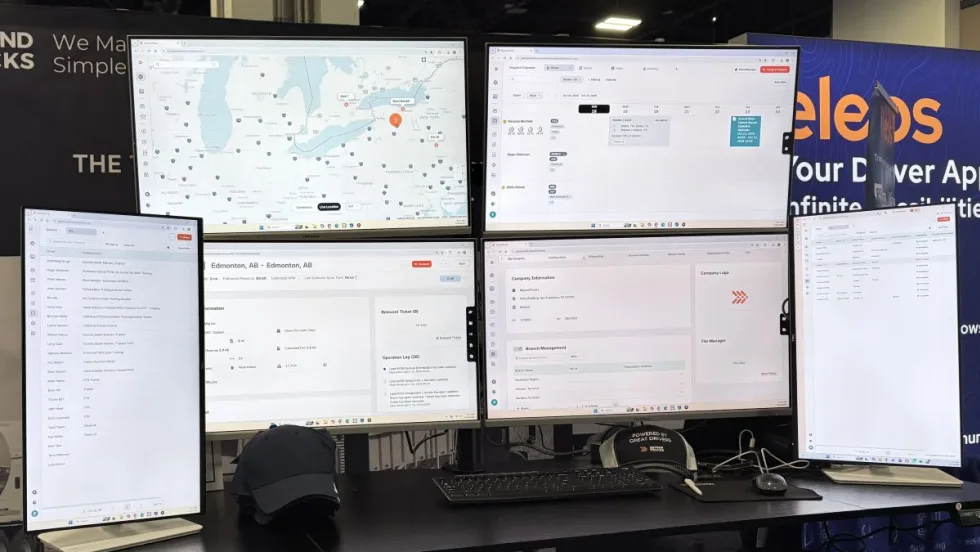
BeyondTrucks Adds Rules Checks to Dispatch
New Compatibility Engine checks driver qualifications, equipment requirements and fleet policies before loads are dispatched.
Read More →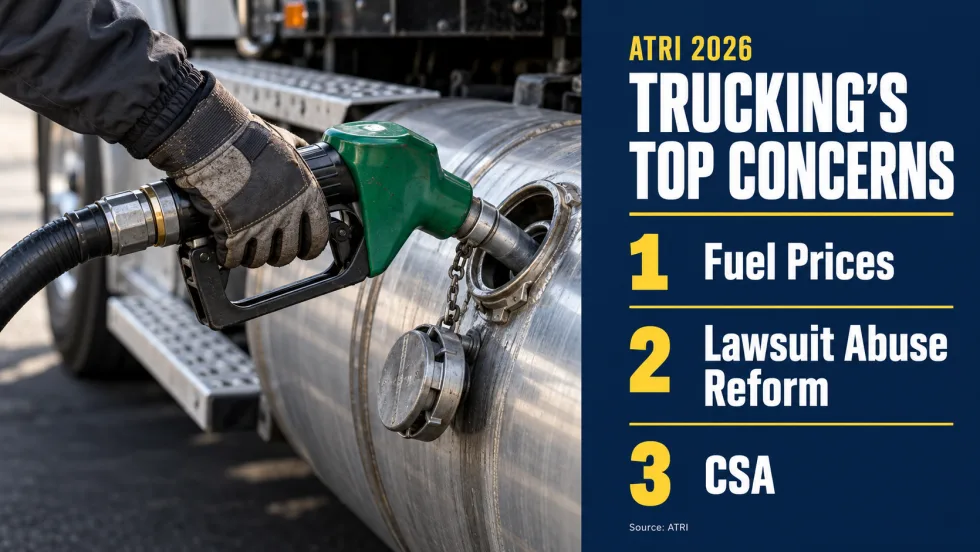
Diesel Prices Hijack Trucking’s Worry List
ATRI’s annual survey finds cautious optimism about freight, but diesel costs, litigation, and insurance continue to squeeze fleets. Drivers have different priorities on several issues.
Read More →
Nomination Deadline Extended for HDT Emerging Leaders
Just a few more days to nominate accomplished trucking fleet professionals under 40 who are making an impact and helping lead the industry forward for the HDT Emerging Leaders award. Deadline extended to October 20!
Read More →
What Will ATA’s New Leader Bring to Trucking's Table?
Incoming President and CEO Mark Colson’s record in Alabama offers clues about his priorities and approach following Chris Spear’s abrupt departure as the head of the American Trucking Associations.
Read More →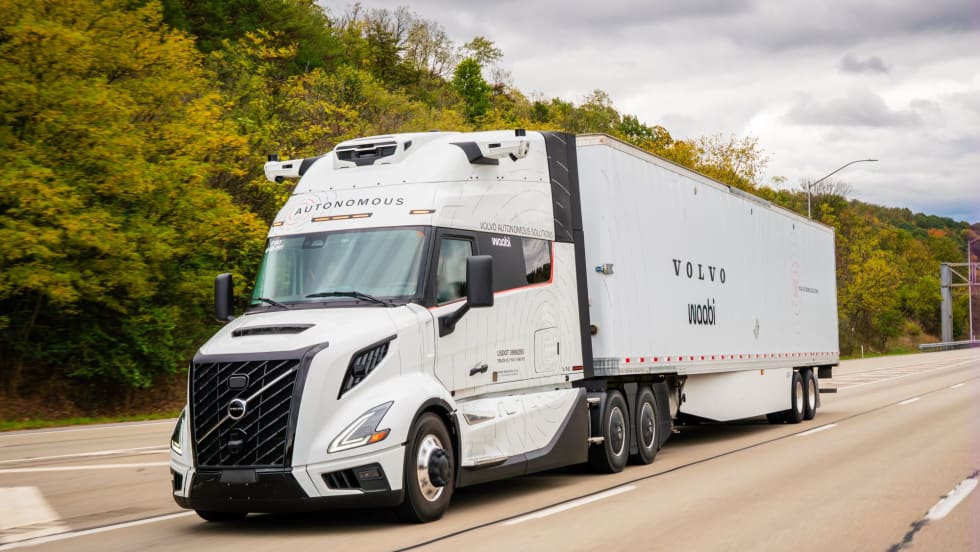
Volvo, Waabi Start Commercial Autonomous Operations in Texas
Volvo VNL Autonomous trucks, powered by the Waabi Driver, are hauling freight directly to third-party facilities for a customer in Texas.
Read More →
Samsara Launches Custom AI Agent Builder
Agent Studio lets fleets create AI tools for hours-of-service monitoring, reporting and driver support, including agents that communicate by phone.
Read More →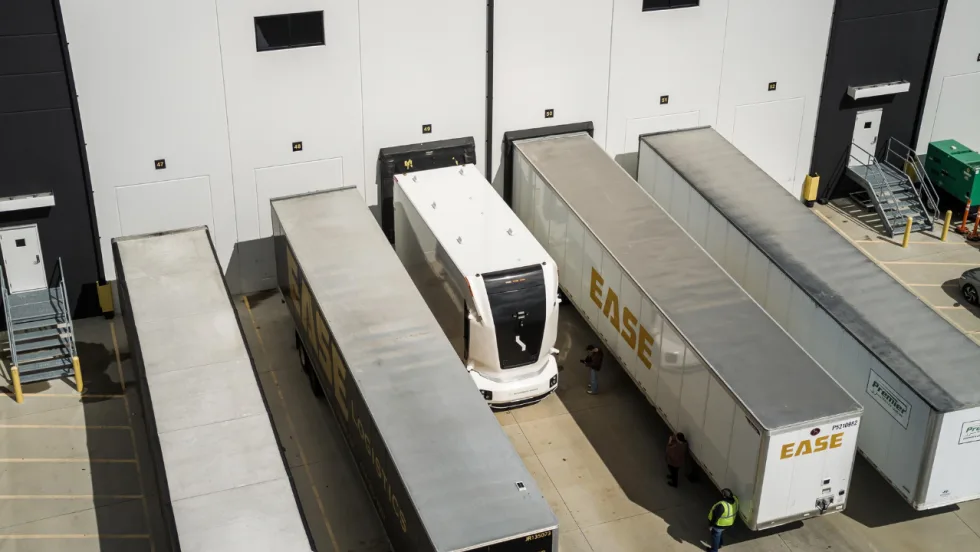
Einride Driverless Electric Trucks Begin Daily Freight Operations in Ohio
Two cabless electric trucks are hauling freight between EASE Logistics facilities in Marysville, Ohio, as part of a multi-state truck automation project.
Read More →
Geotab Links Fleet Card to Vehicle Data
The new card combines fuel discounts with telematics-based purchase controls. Geotab’s analysis also points to potential savings from choosing lower-priced fuel stops.
Read More →
How MFA Helps Protect Trucking Fleets
Multi-factor authentication adds protection when passwords are stolen. Here’s how it works and where fleets should start.
Read More →