



Uniroyal Commercial Truck Tires has announced that its Uniroyal LT40 long-haul and regional trailer tire has met the requirements for the U.S. Environmental Protection Agency’s SmartWay Technology program.
 MENU
MENU SEARCH
Uniroyal Commercial Truck Tires' LT40 long-haul and regional trailer tire has met the requirements for the U.S. Environmental Protection Agency’s SmartWay Technology program.
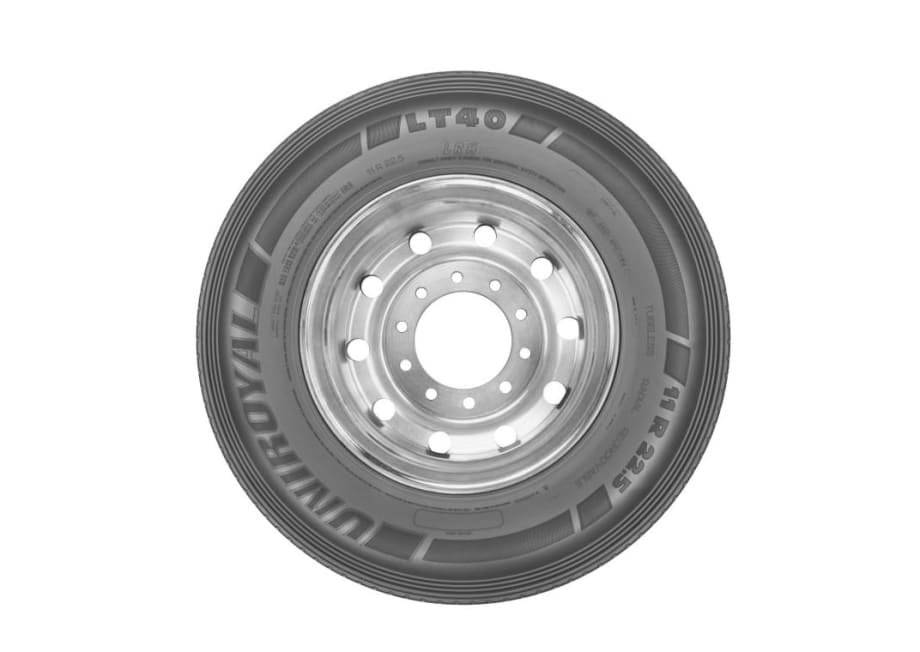
Photo: Uniroyal Tire
Uniroyal Commercial Truck Tires has announced that its Uniroyal LT40 long-haul and regional trailer tire has met the requirements for the U.S. Environmental Protection Agency’s SmartWay Technology program.
The LT40 was recognized for its low-rolling resistance technology and is one of two other existing Uniroyal SmartWay-verified tires, the LS24 and RS20. The LT40 is designed to combat irregular trailer tire wear and features StoneBlocker technology to protect the casing. It is available in sizes 11R22.5, 11R24.5, 275/80R22.5 and 275/80R24.5.
The LS24 is a long-haul steer tire that features a sacrificial rib design and micro-siping to resist irregular wear. The RS20 is a regional steer and all-position tire that has a solid shoulder designed to fight scrub.
“Uniroyal products have been recognized by the U.S. EPA for low rolling resistance technology,” said Darlene Shepherd, business segment manager, Uniroyal Commercial Truck Tires. “The LT40 gives customers a choice when they select a commercial product that reduces emissions and improves fuel efficiency.”
The Uniroyal tire portfolio for heavy trucks, launched in January 2016, comprises six tread designs with 28 total offers. Uniroyal provides an affordable offer for every commercial truck tire position and application — from long-haul to regional to on-/off- road trucks, including dry van, flat bed, construction, and pick-up and delivery vocations.
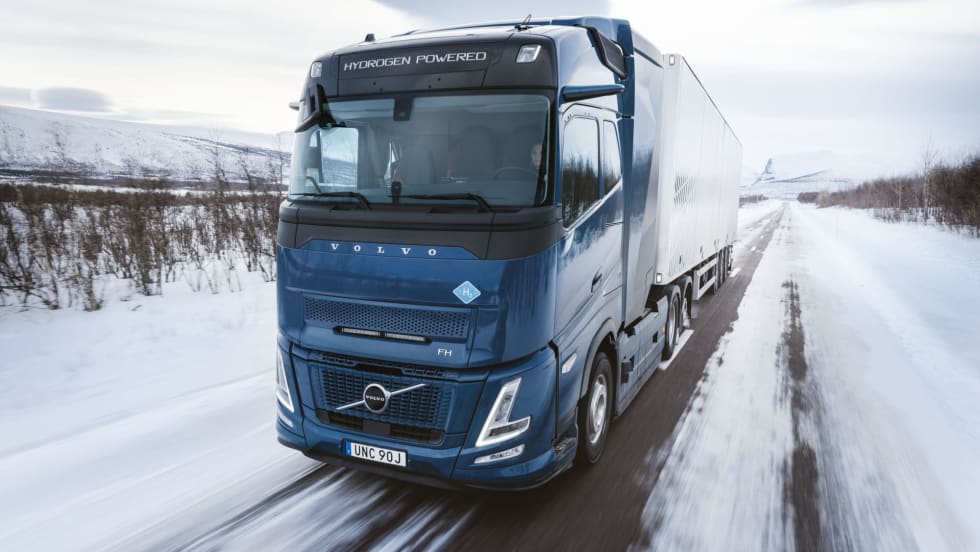
Hydrogen combustion engine trucks will be especially suitable over longer distances and in regions where there is limited charging infrastructure or time for recharging of battery-electric trucks, according to the company.
Read More →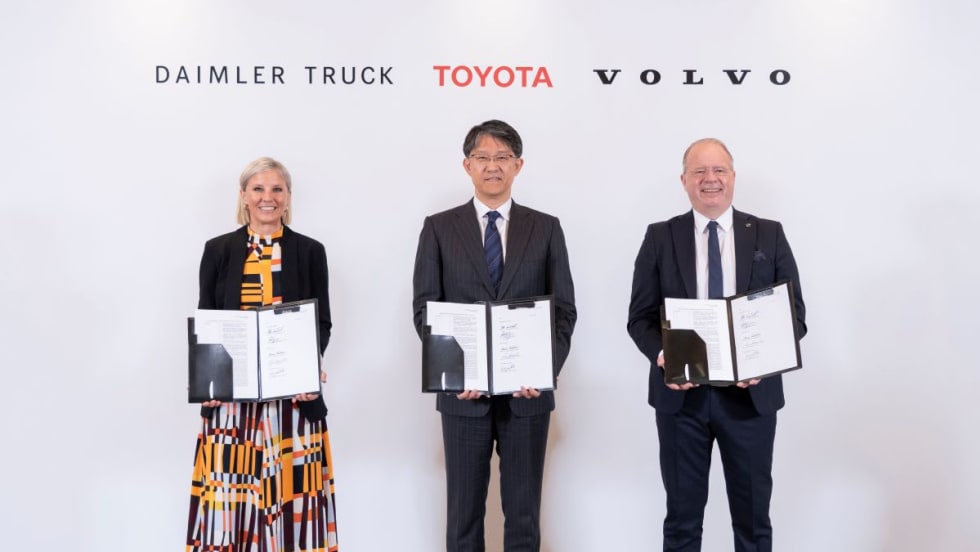
By joining Daimler Truck and Volvo, Toyota brings fuel cell expertise to a joint effort aimed at making hydrogen viable for heavy-duty transport.
Read More →
Trucking operators are slowing speeds, cutting empty miles, and declining unprofitable freight as diesel costs continue to rise due to conflict in the Middle East.
Read More →
New guidance allows engine makers to replace problematic DEF sensors with NOx-based systems, aiming to reduce unnecessary derates and downtime caused by failures in the sensors designed to monitor diesel exhaust fluid on trucks.
Read More →
Is your company a leader in sustainability efforts among trucking fleets? If so, Heavy Duty Trucking's editors want to hear from you.
Read More →
Artificial intelligence, the software-defined vehicle, telematics, autonomous trucks, electric trucks and alternative fuels, and more in this HDT Talks Trucking interview
Read More →With global oil flows disrupted, U.S. diesel prices have topped $5 across every region, climbing sharply in the past few weeks.
Read More →
The impact of the Iran conflict extends beyond fuel costs, bringing more fraud and cybersecurity risks to the trucking industry.
Read More →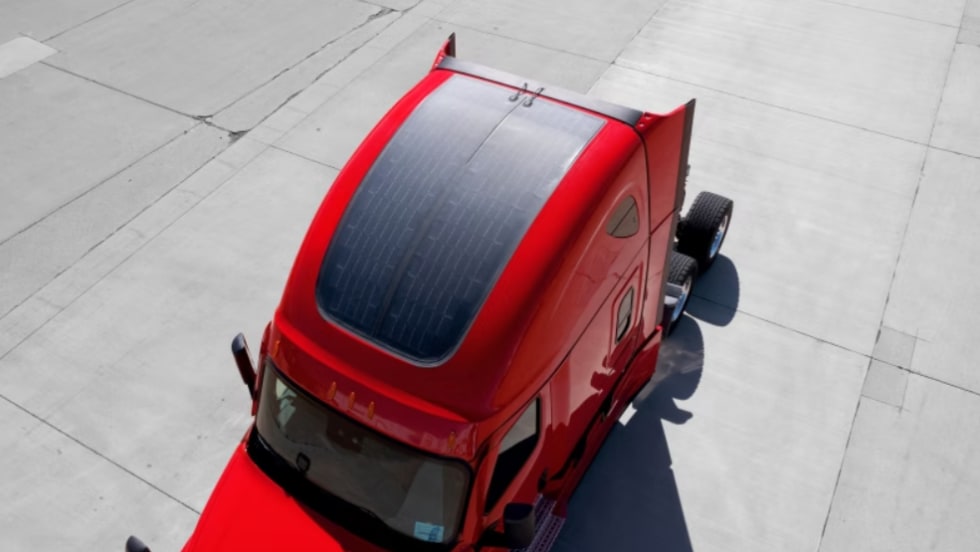
The company’s expanded EPEQ ecosystem includes flexible solar panels, lithium batteries, hydraulic power systems, and a portable fast charger for electric trucks.
Read More →
Listen as Mike Roeth of the North American Council for Freight Efficiency shares insights into battery-electric trucks, natural gas, biofuels, and clean diesel on this episode of HDT Talks Trucking.
Read More →