U.S. Senator Tom Carper (D-Del.) has introduced a bill to extend the Diesel Emissions Reduction Act (DERA) through 2021 to continue to provide EPA grants to reduce diesel emissions.
by Staff
April 21, 2016
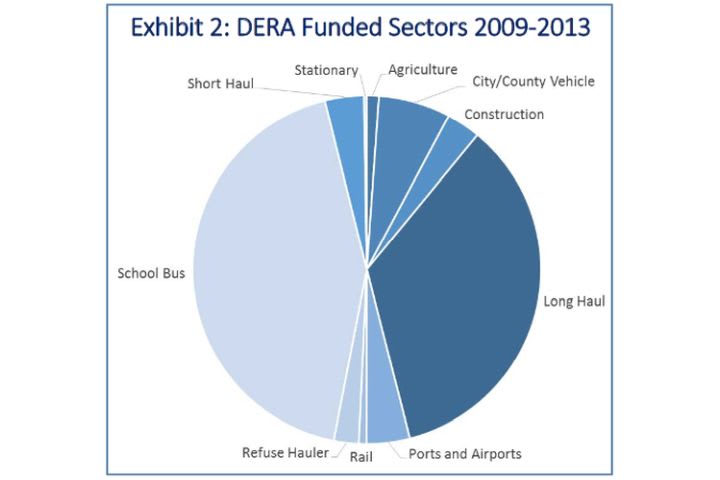
Chart courtesy of EPA.
2 min to read
Chart courtesy of EPA.
U.S. Senator Tom Carper (D-Del.) has introduced a bill to extend the Diesel Emissions Reduction Act (DERA) through 2021 to continue to provide grants from the U.S. Environmental Protection Agency to reduce emissions from older diesel-powered trucks and equipment.
Ad Loading...
The act, which was first passed in 2005, was first renewed in 2010. It's set to expire this year, and has provided about $30 million a year in EPA-administered federal grants. Carper introduced the renewal bill April 20 that includes co-sponsors Sens. James Inhofe (R-Okla.), Barbara Boxer (D-Calif.), and Shelley Moore Capito (R-W.Va.).
Ad Loading...
"Retrofitting older, diesel engines with American-made technology can provide enormous environmental and public health benefits, while creating jobs here at home," Carper said. "This program continues to be a bipartisan, commonsense approach to curbing toxic diesel emissions, promoting public health, and spurring economic growth."
The DERA program helps reduce emissions from older diesel powered vehicles and equipment by providing incentive funding through a competitive process for equipment owners and operators toward the purchase of new technology engines, approved emission controls or retrofit devices to reduce emissions, or total engine replacements.
"While new diesel technology and fuels have achieved near zero emission levels, DERA is the leading program that upgrades or replaces older diesel engines with newer technology to reduce emissions," said Allen Schaeffer, executive director of the Diesel Technology Forum.
According to a new report issued by the U.S. Environmental Protection Agency in March, more than 73,000 older diesel powered engines were upgraded or replaced between 2008 to 2013 with DERA funding, which resulted in clean air benefits and fuel savings.
The DERA funding retrofitted or replaced 73,000 vehicles and equipment; reduced particulate matter emissions by 14,700 tons; saved 450 million gallons of fuel; and generated almost $13 billion in environmental benefits, according to the report. The program awarded $520 million in grants.
Ad Loading...
“The federal share of DERA funding represents a small share of the total cost of each project to encourage owners to retrofit or replace with new clean technologies,” Schaeffer said.
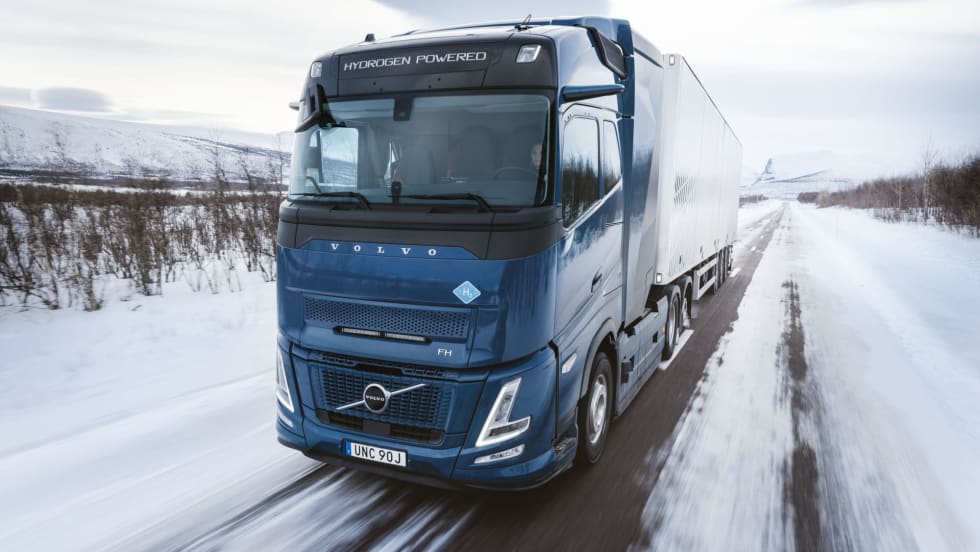
Hydrogen combustion engine trucks will be especially suitable over longer distances and in regions where there is limited charging infrastructure or time for recharging of battery-electric trucks, according to the company.
Trucking operators are slowing speeds, cutting empty miles, and declining unprofitable freight as diesel costs continue to rise due to conflict in the Middle East.
New guidance allows engine makers to replace problematic DEF sensors with NOx-based systems, aiming to reduce unnecessary derates and downtime caused by failures in the sensors designed to monitor diesel exhaust fluid on trucks.
Artificial intelligence, the software-defined vehicle, telematics, autonomous trucks, electric trucks and alternative fuels, and more in this HDT Talks Trucking interview
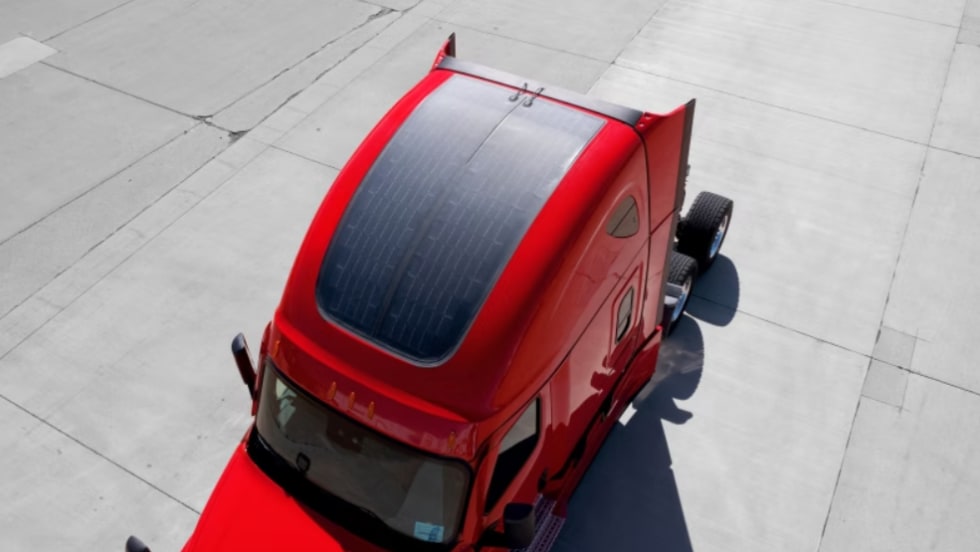
The company’s expanded EPEQ ecosystem includes flexible solar panels, lithium batteries, hydraulic power systems, and a portable fast charger for electric trucks.
Listen as Mike Roeth of the North American Council for Freight Efficiency shares insights into battery-electric trucks, natural gas, biofuels, and clean diesel on this episode of HDT Talks Trucking.