



Increases in intermodal and pipeline transportation helped drive the DOT's Freight Transportation Services Index to near a record high in January.
 MENU
MENU SEARCH
Intermodal and pipeline transportation helped drive the DOT's Freight Transportation Services Index to near a record high in January.

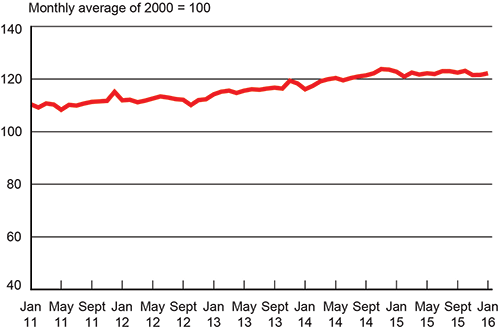
Freight Transportation Services Index, January 2011 - January 2016. Graphic: U.S. DOT
Increases in intermodal and pipeline transportation helped drive the DOT's Freight Transportation Services Index to near a record high in January.
The amount of freight moved by U.S. for-hire transportation companies increased for the second straight month in January.
The DOT's Freight Transportation Services Index (TSI) rose 0.5% in January to a reading of 122.2, while the December 2015 index was revised upward to 121.6 from 121 in last month’s release.
This latest figure is just 1.3% below the all-time high level of 123.8 in November 2014, with TSI records going back to 2000. This is also the first time the index increased for two months in a row since November 2014.
The January Freight TSI hike was due to substantial growth in rail intermodal and pipeline and a smaller increase in the largest mode, trucking, according to the department. Air freight, water, and rail carloads all decreased.
“The TSI increase paralleled growth in the Federal Reserve Board Industrial Production index, which rose 0.9% in January reversing two months of declines, in personal income, up 0.5%, and in employment, which continued steady growth,” the department said. “The Institute for Supply Management Manufacturing Index was again below 50, indicating declining manufacturing activity and a continuing decrease in high inventories.”
The index remains high compared to earlier years, with an increase of 29% since the low of 94.7 in April 2009. Despite this, January freight shipments were down 0.5% from the same time in 2015.
The Freight TSI measures the month-to-month changes in freight shipments by mode of transportation in tons and ton-miles, which are combined into one index. The index measures the output of the for-hire freight transportation industry and consists of data from for-hire trucking, rail, inland waterways, pipelines and air freight.
Artificial intelligence, the software-defined vehicle, telematics, autonomous trucks, electric trucks and alternative fuels, and more in this HDT Talks Trucking interview
Read More →
ACT Research data shows volumes hitting a four-year high and supply-demand balance strengthening, but higher oil prices are undercutting tariff relief and tempering optimism.
Read More →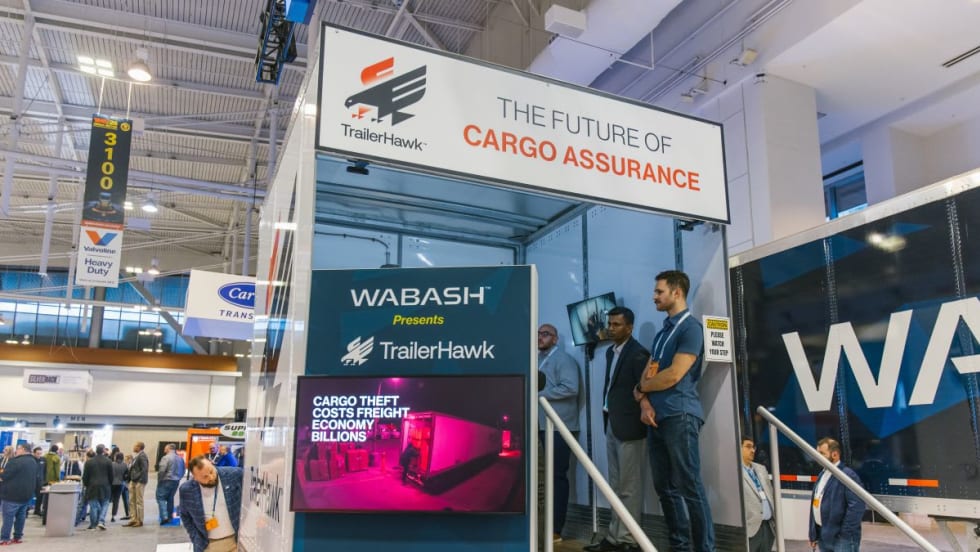
The patent-pending cargo solution integrates a digitally connected cargo door and an intelligent locking system with the TrailerHawk.AI technology platform.
Read More →
The impact of the Iran conflict extends beyond fuel costs, bringing more fraud and cybersecurity risks to the trucking industry.
Read More →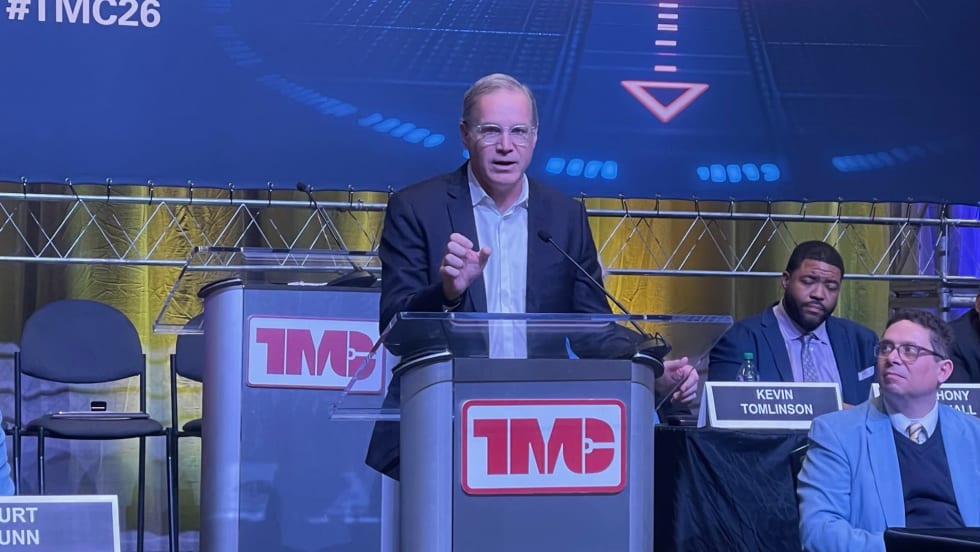
Speaking at the TMC Annual Meeting in Nashville, ATA President Chris Spear said trucking faces mounting pressure from rising fuel prices, geopolitical instability, and uncertainty around trade policy.
Read More →
More than 100,000 new trucking companies enter the industry each year, but regulators manage to audit only a fraction of them. That churn creates opportunities for inexperienced startups — and for “chameleon carriers” that shut down after safety violations and reappear under new identities. Read more from Deborah Lockridge in this commentary.
Read More →
HDTX is an intimate event that connects heavy-duty trucking fleet managers with industry suppliers through small-group discussions, educational sessions, and structured one-on-one meetings.
Read More →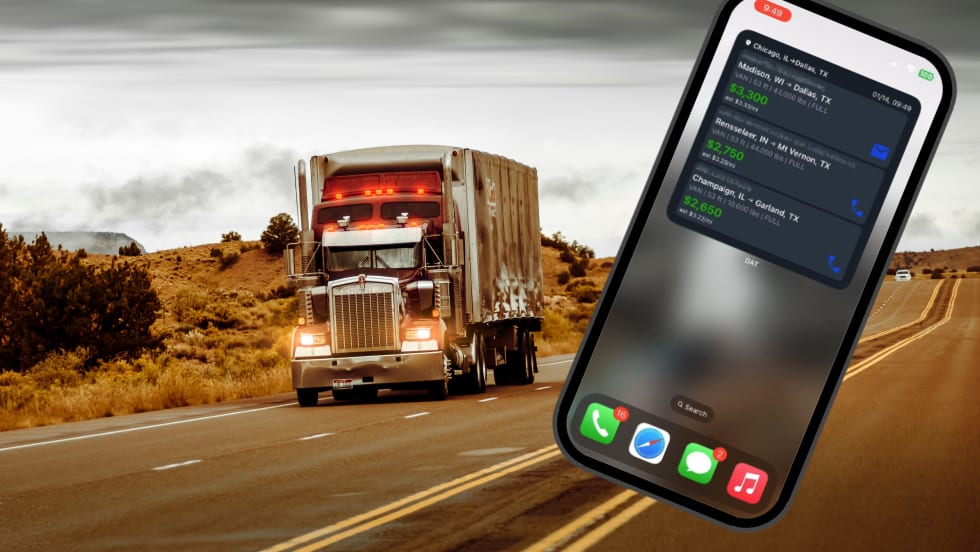
New DAT One feature shows top-paying loads directly on an iPhone’s home screen, helping carriers react faster to spot-market opportunities.
Read More →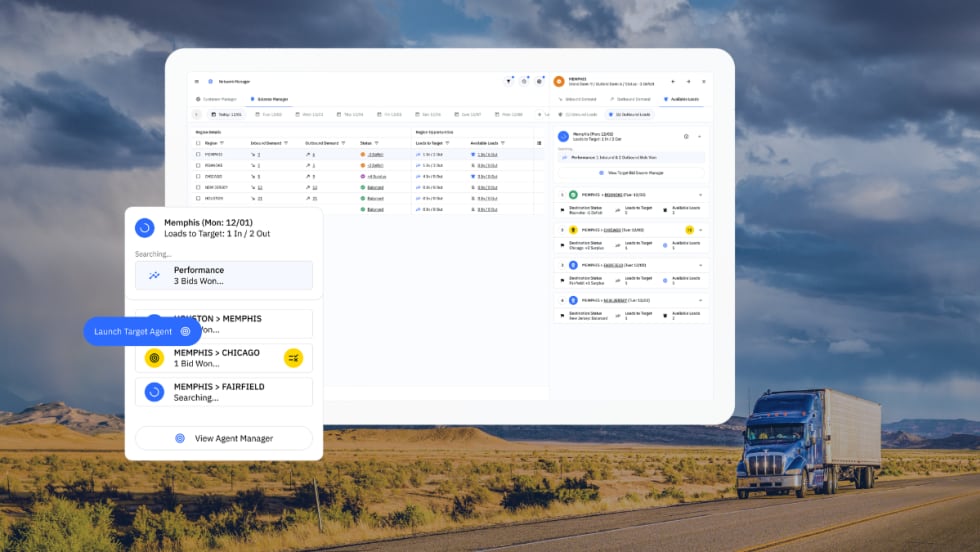
Optimal Dynamics says its new Scale platform uses AI agents and optimization to help carriers find and secure freight that improves network balance and profitability.
Read More →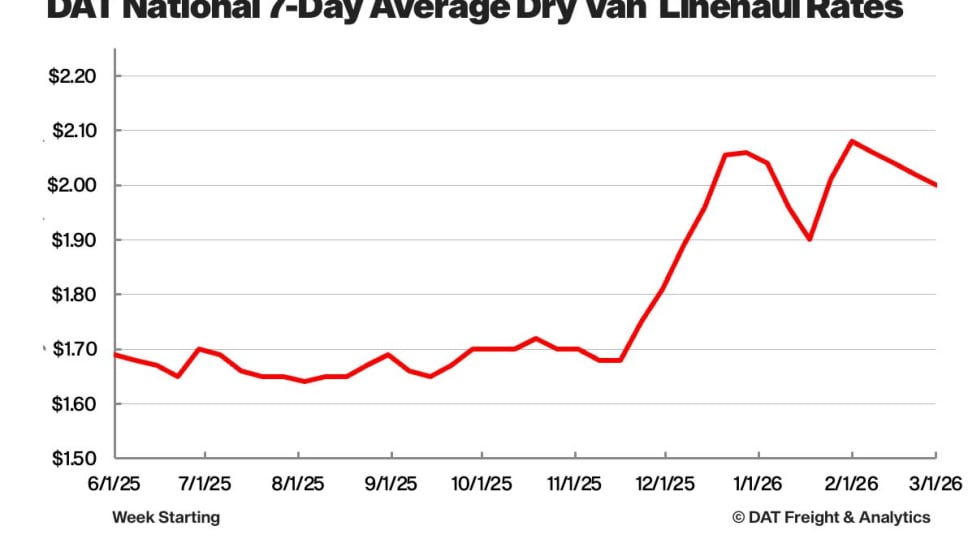
DAT Freight & Analytics data shows tightening flatbed capacity, easing produce markets, and softening van and reefer rates.
Read More →