



California roads have less than 500 battery electric medium- to heavy-duty trucks, partly due to the higher expense of these vehicles, according to a report on electrification of these vehicles released by the California Air Resources Board (ARB).
 MENU
MENU SEARCH
California roads have less than 500 battery electric medium- to heavy-duty trucks, partly due to the higher expense of these vehicles, according to a report on electrification of these vehicles released by the California Air Resources Board (ARB).
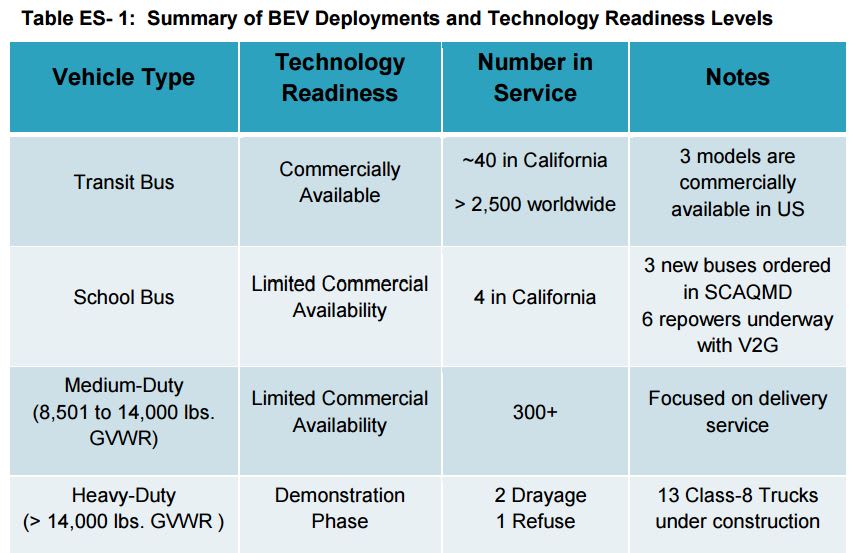
Photo courtesy of ARB.
California roads have less than 500 battery electric medium- to heavy-duty trucks, partly due to the higher expense of these vehicles, according to a report on electrification of these vehicles released by the California Air Resources Board (ARB).
The report also contains a forecast on electric truck costs. According to CALSTART, in 2012 an electric truck with a 350 kilowatt-per-hour battery was three times more expensive than a diesel truck, and by 2020 will still cost twice as much.
One major component in the overall cost of BEVs is pricey batteries, with the current cost landing somewhere between $500 to $700 per kilowatt-hour (kWh) range. The report states that reducing the cost of battery packs and increasing the amount of power that can be supplied by those batteries would greatly minimize the cost of BEVs and provide better mileage, while increasing the number of professions that could operate BEVs economically.
"Standardization of vehicle charging connectors, charging protocols, and more widespread deployment of vehicle charging stations suitable for medium-duty and heavy-duty trucks and buses would allow BEVs to universally charge while away from their home base, increasing daily range and potentially allowing for smaller battery packs, reducing overall BEV costs and reducing the return on investment timeframe," according to the report.

The board eventually wants to transform the on- and off- road mobile source fleet into one that uses zero and near-zero emission technologies to meet air quality and climate change goals. The purpose of the battery electric vehicle (BEV) technology assessment is to observe the current status of the five- to 10-year outlook for BEV technology in the truck markets defined by the study as medium-duty (8,501-14,000 pounds GVWR) and heavy-duty (14,001 GVWR and above).
To view the full report, please click here.
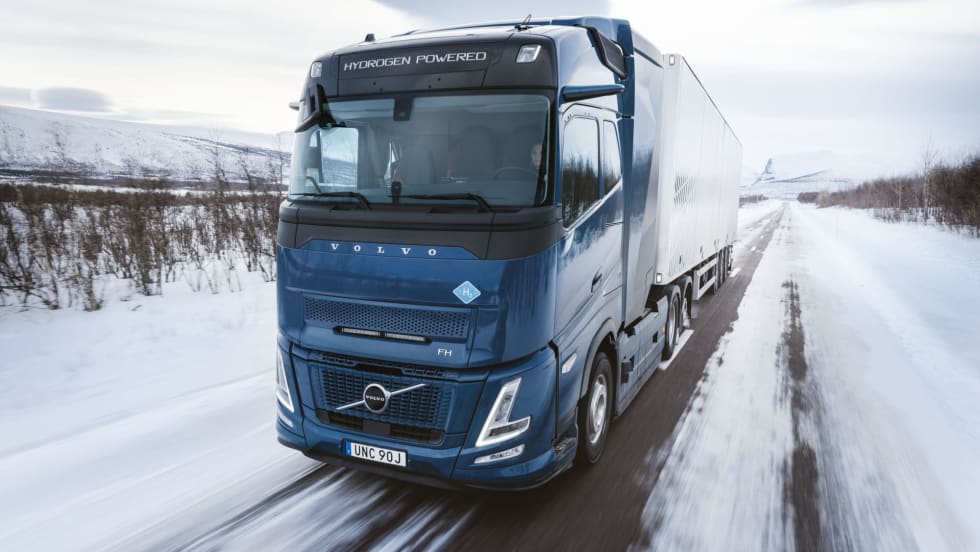
Hydrogen combustion engine trucks will be especially suitable over longer distances and in regions where there is limited charging infrastructure or time for recharging of battery-electric trucks, according to the company.
Read More →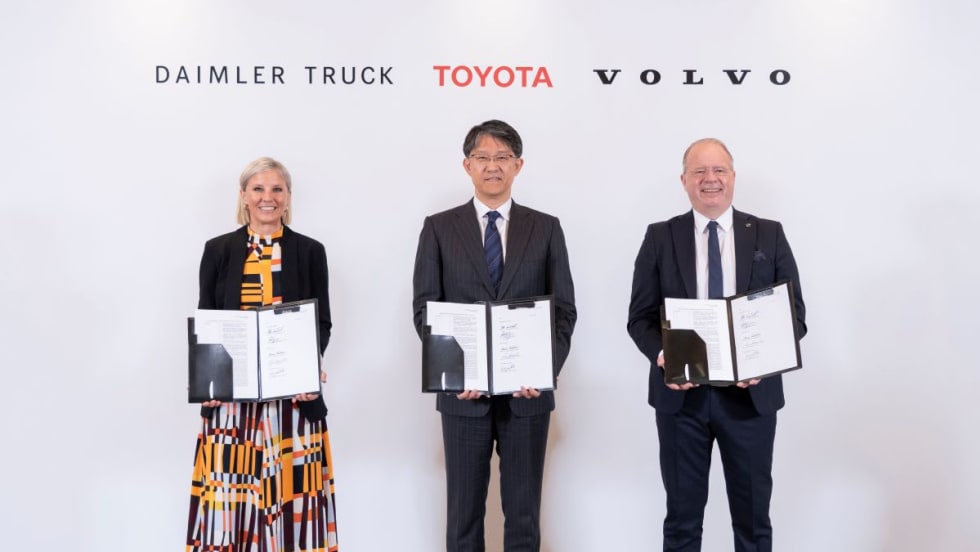
By joining Daimler Truck and Volvo, Toyota brings fuel cell expertise to a joint effort aimed at making hydrogen viable for heavy-duty transport.
Read More →
Trucking operators are slowing speeds, cutting empty miles, and declining unprofitable freight as diesel costs continue to rise due to conflict in the Middle East.
Read More →
New guidance allows engine makers to replace problematic DEF sensors with NOx-based systems, aiming to reduce unnecessary derates and downtime caused by failures in the sensors designed to monitor diesel exhaust fluid on trucks.
Read More →
Is your company a leader in sustainability efforts among trucking fleets? If so, Heavy Duty Trucking's editors want to hear from you.
Read More →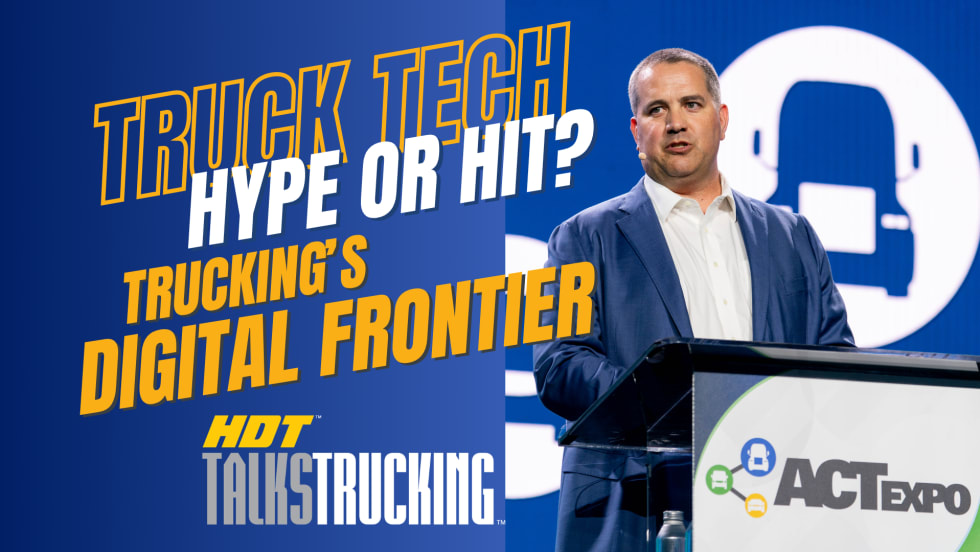
Artificial intelligence, the software-defined vehicle, telematics, autonomous trucks, electric trucks and alternative fuels, and more in this HDT Talks Trucking interview
Read More →With global oil flows disrupted, U.S. diesel prices have topped $5 across every region, climbing sharply in the past few weeks.
Read More →
The impact of the Iran conflict extends beyond fuel costs, bringing more fraud and cybersecurity risks to the trucking industry.
Read More →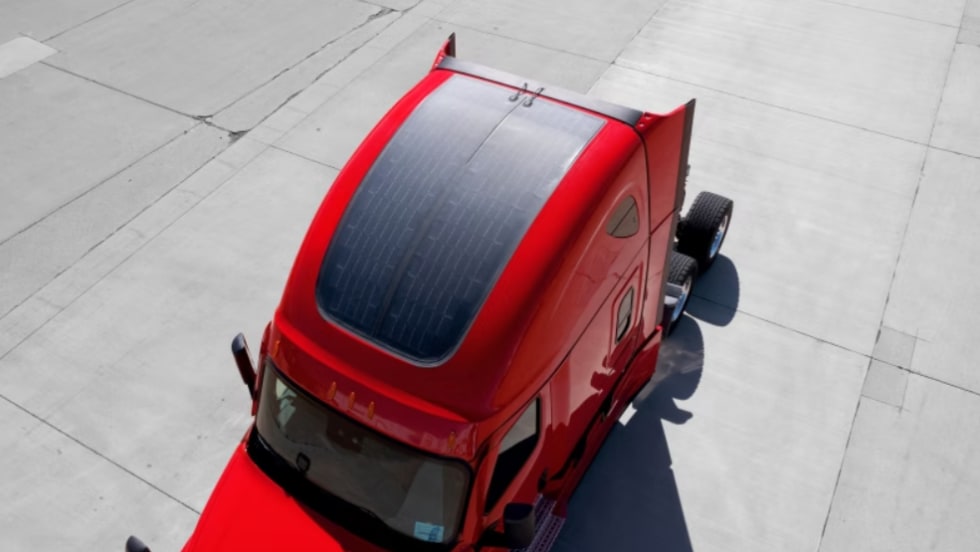
The company’s expanded EPEQ ecosystem includes flexible solar panels, lithium batteries, hydraulic power systems, and a portable fast charger for electric trucks.
Read More →
Listen as Mike Roeth of the North American Council for Freight Efficiency shares insights into battery-electric trucks, natural gas, biofuels, and clean diesel on this episode of HDT Talks Trucking.
Read More →