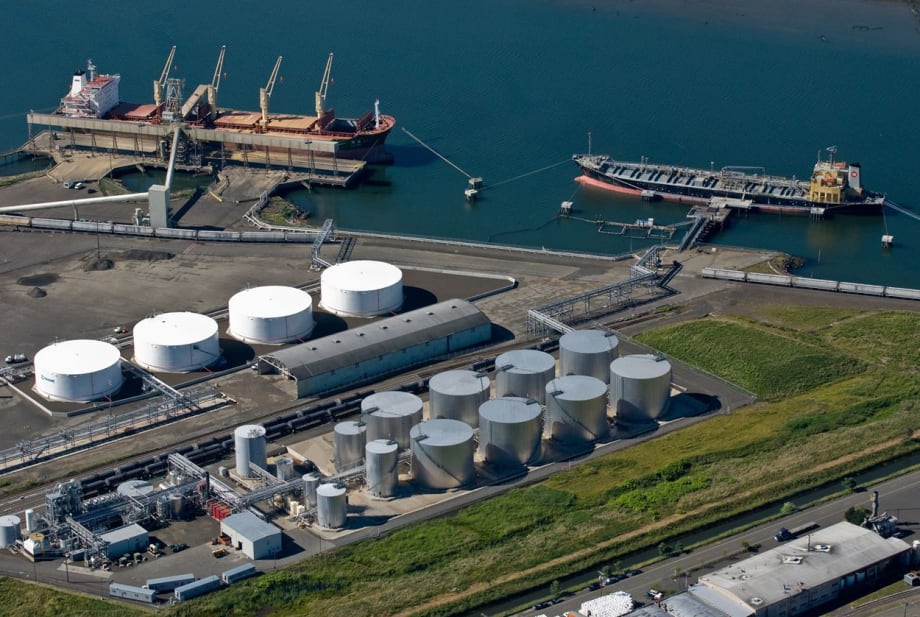
Biodiesel producer Renewable Energy Group (REG) has completed its acquisition of substantially all the assets of Imperium Renewables, Inc., including the 100-million gallon nameplate biodiesel refinery and terminal at the Port of Grays Harbor, Wash., the company announced.
by Staff
August 21, 2015
Photo courtesy of Renewable Energy Group.
1 min to read
Photo courtesy of Renewable Energy Group.
Biodiesel producer Renewable Energy Group (REG) has completed its acquisition of substantially all the assets of Imperium Renewables, Inc., including the 100-million gallon nameplate biodiesel refinery and terminal at the Port of Grays Harbor, Wash., the company announced.
Ad Loading...
REG paid Imperium $15 million in cash and issued 1.675 million shares of REG common stock in exchange for all of Imperium’s assets. For two years after the close of the acquisition, Imperium may receive up to $0.05 per gallon for biodiesel produced and sold at Grays Harbor, according to REG.
Ad Loading...
REG assumed $5.2 million of Imperium’s debt from Umpqua Bank, which has agreed to provide the newly named REG Grays Harbor, LLC, with an additional loan capacity of up to $5 million to fund capital expenditures and improvements at the facility, REG said. In addition, Imperium retained its net working capital value of approximately $25 million.
Most of Imperium’s employees have agreed to stay on with REG. The Grays Harbor location includes 18 million gallons of storage capacity and a terminal that can accommodate feedstock intake and fuel delivery on deep-water vessels, and it possesses significant rail and truck transport capabilities, REG added. A formal grand opening will be announced at a later date.
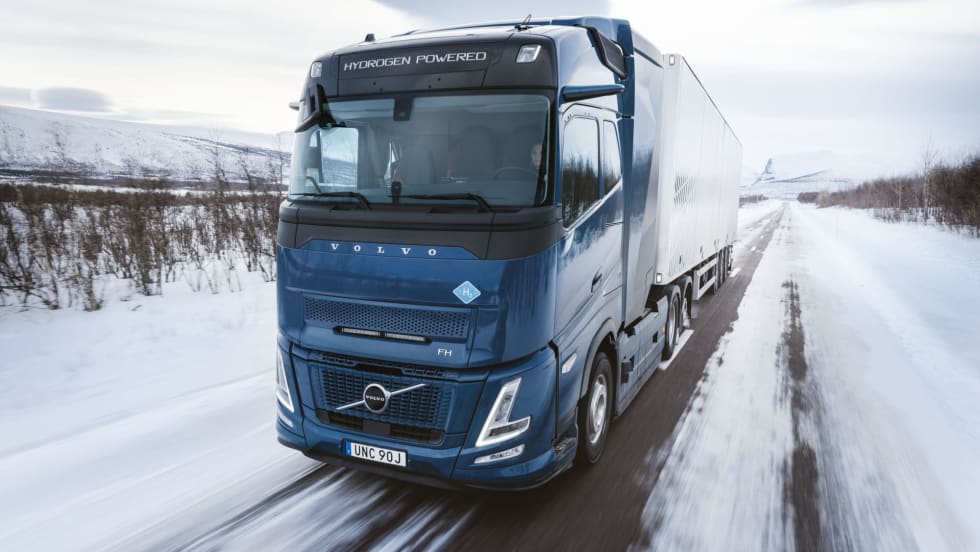
Hydrogen combustion engine trucks will be especially suitable over longer distances and in regions where there is limited charging infrastructure or time for recharging of battery-electric trucks, according to the company.
Trucking operators are slowing speeds, cutting empty miles, and declining unprofitable freight as diesel costs continue to rise due to conflict in the Middle East.
New guidance allows engine makers to replace problematic DEF sensors with NOx-based systems, aiming to reduce unnecessary derates and downtime caused by failures in the sensors designed to monitor diesel exhaust fluid on trucks.
Artificial intelligence, the software-defined vehicle, telematics, autonomous trucks, electric trucks and alternative fuels, and more in this HDT Talks Trucking interview
The company’s expanded EPEQ ecosystem includes flexible solar panels, lithium batteries, hydraulic power systems, and a portable fast charger for electric trucks.
Listen as Mike Roeth of the North American Council for Freight Efficiency shares insights into battery-electric trucks, natural gas, biofuels, and clean diesel on this episode of HDT Talks Trucking.