



The U.S. Department of Agriculture (USDA) is offering up to $100 million in grants to support and expand biofuel infrastructure, the agency announced.
 MENU
MENU SEARCH
The U.S. Department of Agriculture (USDA) is offering up to $100 million in grants to all 50 states, Puerto Rico, and the District of Columbia to support and expand biofuel infrastructure, according to a press release from the USDA.
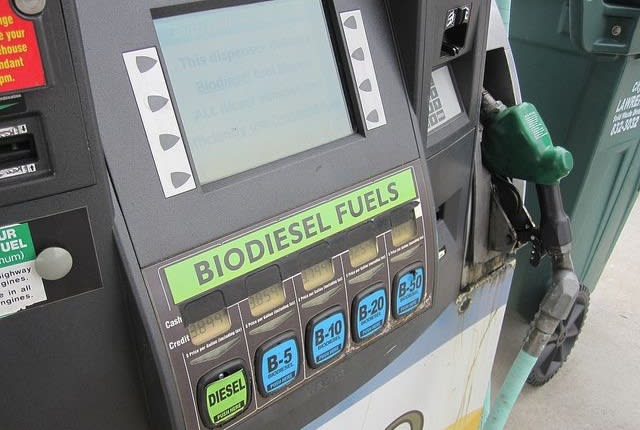
Photo via Flickr/United Soybean Board.
The U.S. Department of Agriculture (USDA) is offering up to $100 million in grants to support and expand biofuel infrastructure, the agency announced.
Under its Biofuels Infrastructure Partnership, the USDA will award competitive grants, matched by state and private contributions, to expand infrastructure for the distribution of higher blends of renewable fuel. States that offer funding equal to or greater than the amount provided will receive higher consideration for grant funds.
The partnership funding aims to double the number of fuel pumps capable of supplying higher blends of renewable fuel to consumers, such as E-15 and E-85. This is intended to expand markets for farmers and help them diversify their rural energy portfolios, support rural economic growth and the jobs that come with it, and ultimately give consumers more affordable options at the pump, according to the USDA.
A typical gasoline pump delivers fuel that contains a maximum of 10 percent ethanol, which limits the amount of renewable energy most consumers can purchase at the pump.
The agency will fund the grants through the USDA's Commodity Credit Corporation, which was created to stabilize, support, and protect farm income and prices.
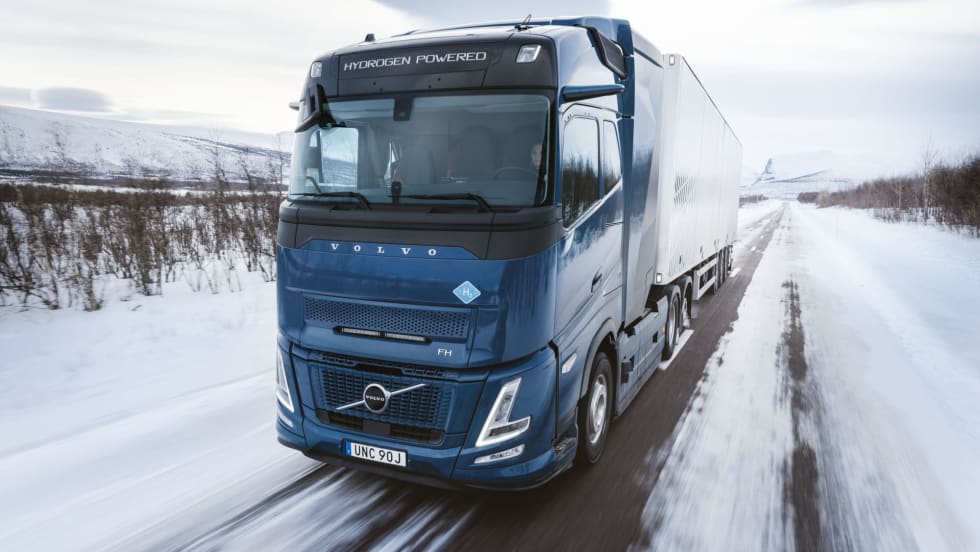
Hydrogen combustion engine trucks will be especially suitable over longer distances and in regions where there is limited charging infrastructure or time for recharging of battery-electric trucks, according to the company.
Read More →
By joining Daimler Truck and Volvo, Toyota brings fuel cell expertise to a joint effort aimed at making hydrogen viable for heavy-duty transport.
Read More →
Trucking operators are slowing speeds, cutting empty miles, and declining unprofitable freight as diesel costs continue to rise due to conflict in the Middle East.
Read More →
New guidance allows engine makers to replace problematic DEF sensors with NOx-based systems, aiming to reduce unnecessary derates and downtime caused by failures in the sensors designed to monitor diesel exhaust fluid on trucks.
Read More →
Is your company a leader in sustainability efforts among trucking fleets? If so, Heavy Duty Trucking's editors want to hear from you.
Read More →
Artificial intelligence, the software-defined vehicle, telematics, autonomous trucks, electric trucks and alternative fuels, and more in this HDT Talks Trucking interview
Read More →With global oil flows disrupted, U.S. diesel prices have topped $5 across every region, climbing sharply in the past few weeks.
Read More →
The impact of the Iran conflict extends beyond fuel costs, bringing more fraud and cybersecurity risks to the trucking industry.
Read More →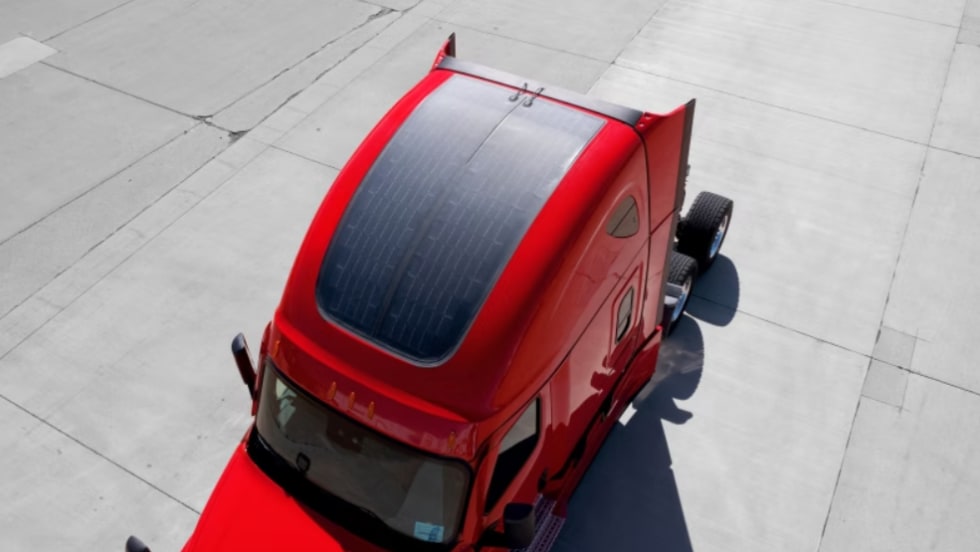
The company’s expanded EPEQ ecosystem includes flexible solar panels, lithium batteries, hydraulic power systems, and a portable fast charger for electric trucks.
Read More →
Listen as Mike Roeth of the North American Council for Freight Efficiency shares insights into battery-electric trucks, natural gas, biofuels, and clean diesel on this episode of HDT Talks Trucking.
Read More →