Shell, TravelCenters of America Open More LNG Lanes
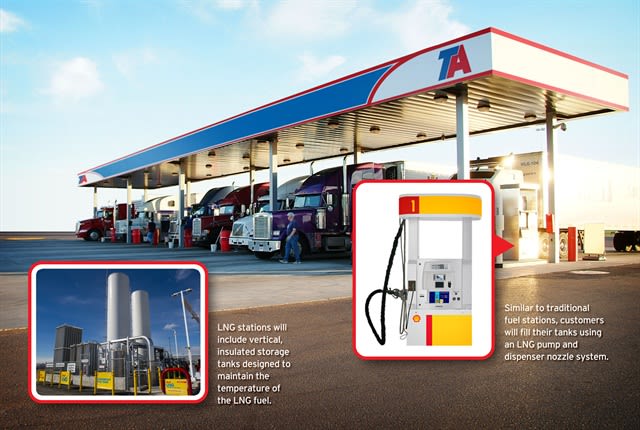
Shell opened two new lanes serving liquefied natural gas at TravelCenters of America truck refueling stations located in Baytown, Texas and in Lafayette, La.
by Staff
March 30, 2015
Shell and TravelCenters of America have finalized plans to build a network of liquified natural gas fueling stations.
1 min to read
Shell and TravelCenters of America have finalized plans to build a network of liquified natural gas fueling stations.
Shell opened two new lanes serving liquefied natural gas at TravelCenters of America truck refueling stations located in Baytown, Texas and in Lafayette, La. The lanes are meant to service trucks driving to the Port of Houston and traveling through Louisiana.
Ad Loading...
The two lanes follow Shell’s first LNG lane opening in Ontario, Calif., that took place in 2014. Shell and TA made an agreement in 2013 to develop a U.S. nationwide network of LNG fueling centers for heavy-duty fleet customers. The plan was to open lanes in a phased approach, eventually installing LNG at as many as 100 TA and Petro truckstops in the U.S.
Ad Loading...
The two companies have developed “super lanes” for the expansion of LNG that are equipped to dispense the alternative fuel as well as diesel and DEF. The lanes are integrated with existing fuel lanes to prevent the disruption of traffic flow at the stations. As customer demand grows, Shell and TA plan to open more LNG truck fueling lanes.
“We see an opportunity in using LNG as a lower cost and cleaner fuel alternative to diesel, and expect the strengthening supply chain in North America to give customers reassurance that LNG is becoming a bigger part of the transport fuel mix,” said Shell’s Christian Buelow, General Manager Downstream LNG, Americas.
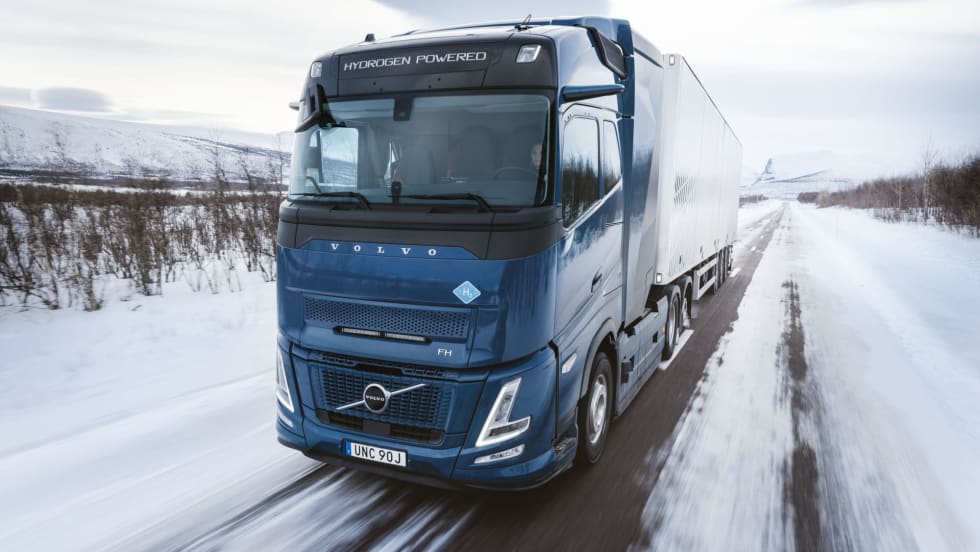
Hydrogen combustion engine trucks will be especially suitable over longer distances and in regions where there is limited charging infrastructure or time for recharging of battery-electric trucks, according to the company.
Trucking operators are slowing speeds, cutting empty miles, and declining unprofitable freight as diesel costs continue to rise due to conflict in the Middle East.
New guidance allows engine makers to replace problematic DEF sensors with NOx-based systems, aiming to reduce unnecessary derates and downtime caused by failures in the sensors designed to monitor diesel exhaust fluid on trucks.
Artificial intelligence, the software-defined vehicle, telematics, autonomous trucks, electric trucks and alternative fuels, and more in this HDT Talks Trucking interview
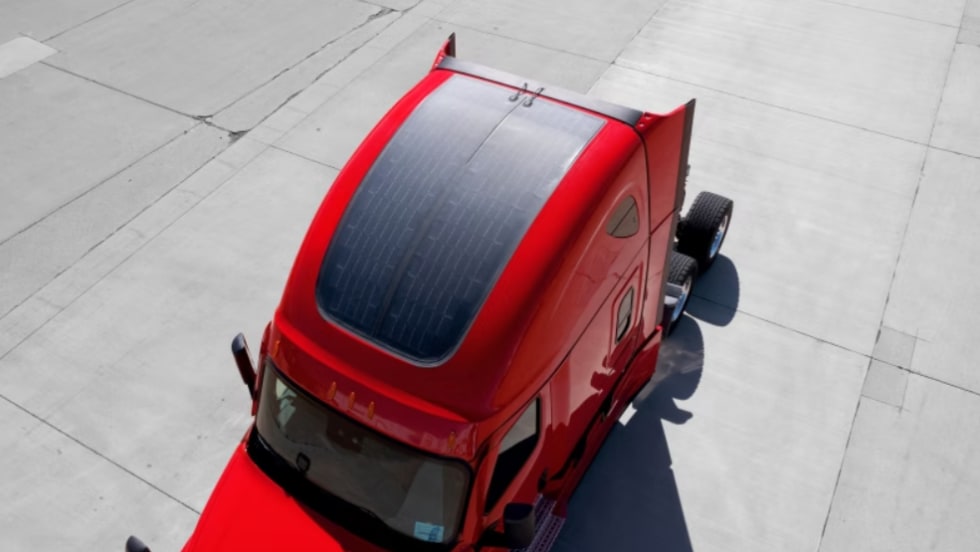
The company’s expanded EPEQ ecosystem includes flexible solar panels, lithium batteries, hydraulic power systems, and a portable fast charger for electric trucks.
Listen as Mike Roeth of the North American Council for Freight Efficiency shares insights into battery-electric trucks, natural gas, biofuels, and clean diesel on this episode of HDT Talks Trucking.