



The first public-access compressed natural gas refueling station in Jacksonville, Fla., was opened recently by amp Trillium, a joint venture between ampCNG and Trillium CNG, and beverage distributor Champion Brands Inc.
 MENU
MENU SEARCH
The first public-access compressed natural gas refueling station in Jacksonville, Fla., was opened recently by amp Trillium and beverage distributor Champion Brands Inc.
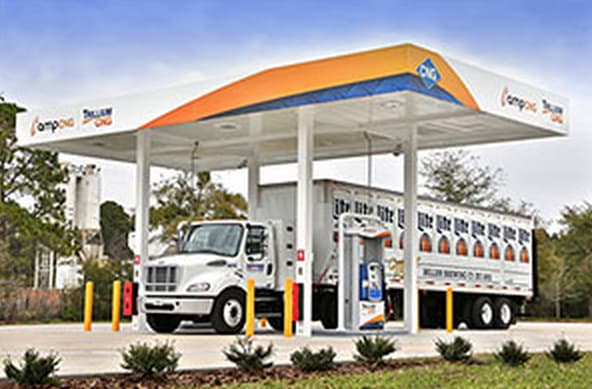
Jacksonville’s First Public Access CNG Station Photo: Ken McCray Photography
The first public-access compressed natural gas refueling station in Jacksonville, Fla., was opened recently by amp Trillium, a joint venture between ampCNG and Trillium CNG, and beverage distributor Champion Brands Inc.
The station is open 24 hours a day and features a public access card reader system. It is accessible for heavy-duty fleet trucks and includes two dual hose dispensers allowing two trucks to fuel at the same time. The pumps have Trillium CNG’s proprietary fast-fill hydraulic intensifier compressor.
“Jacksonville is a vital part of America’s transportation system,” said Mary Boettcher, president of Trillium. “Having CNG infrastructure that is dependable, accessible and fast-fueling for Class 8 tractors will continue to make Jacksonville one of the most sought after locations for logistics operations.”
Champion is in the process of replacing its diesel fleet with CNG-powered trucks. The first wave of trucks hit the road last October, and the company expects to replace the entire fleet by July 2017. Champion is a Jacksonville-based malt beverage distributor.
“This project is important not only to Jacksonville and our region but also to the future of our economic viability,” said Earl Benton, president and CEO of Champion Brands. “It also supports the Global Cities initiative of increasing exports – the word is out, CNG is available in Northeast Florida.”
The Jacksonville station is located at 9711 Mining Drive off of Highway 1 near the intersection of Interstates 295 and 95 in Jacksonville's Southside Industrial Park.
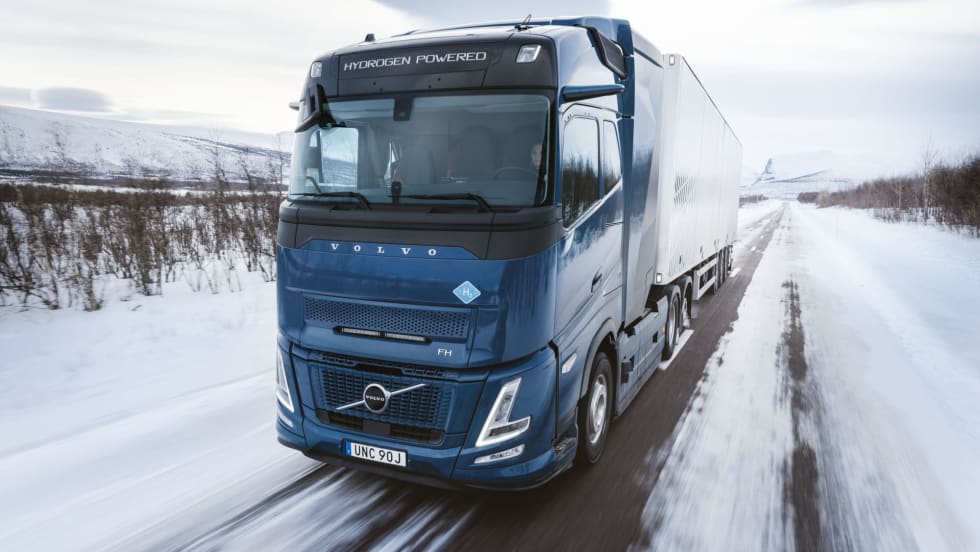
Hydrogen combustion engine trucks will be especially suitable over longer distances and in regions where there is limited charging infrastructure or time for recharging of battery-electric trucks, according to the company.
Read More →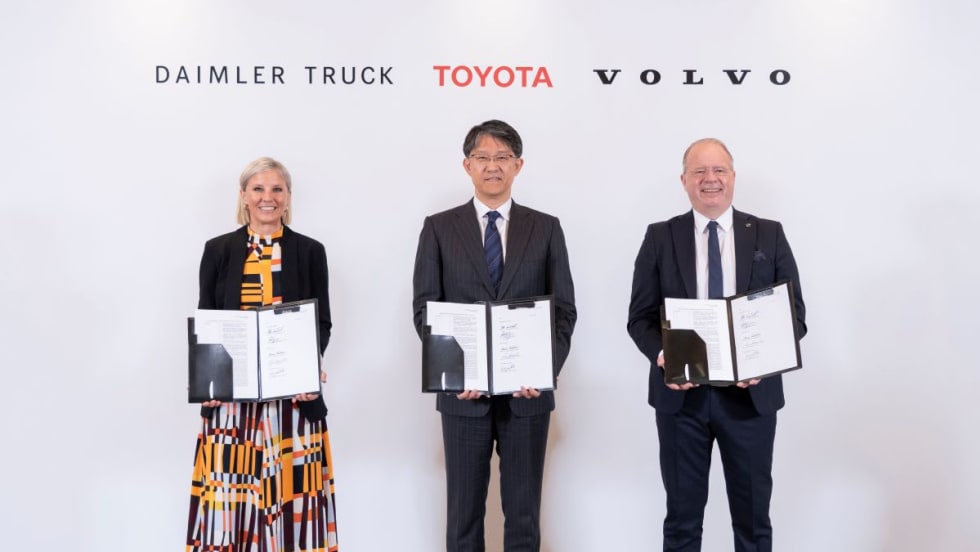
By joining Daimler Truck and Volvo, Toyota brings fuel cell expertise to a joint effort aimed at making hydrogen viable for heavy-duty transport.
Read More →
Trucking operators are slowing speeds, cutting empty miles, and declining unprofitable freight as diesel costs continue to rise due to conflict in the Middle East.
Read More →
New guidance allows engine makers to replace problematic DEF sensors with NOx-based systems, aiming to reduce unnecessary derates and downtime caused by failures in the sensors designed to monitor diesel exhaust fluid on trucks.
Read More →
Is your company a leader in sustainability efforts among trucking fleets? If so, Heavy Duty Trucking's editors want to hear from you.
Read More →
Artificial intelligence, the software-defined vehicle, telematics, autonomous trucks, electric trucks and alternative fuels, and more in this HDT Talks Trucking interview
Read More →With global oil flows disrupted, U.S. diesel prices have topped $5 across every region, climbing sharply in the past few weeks.
Read More →
The impact of the Iran conflict extends beyond fuel costs, bringing more fraud and cybersecurity risks to the trucking industry.
Read More →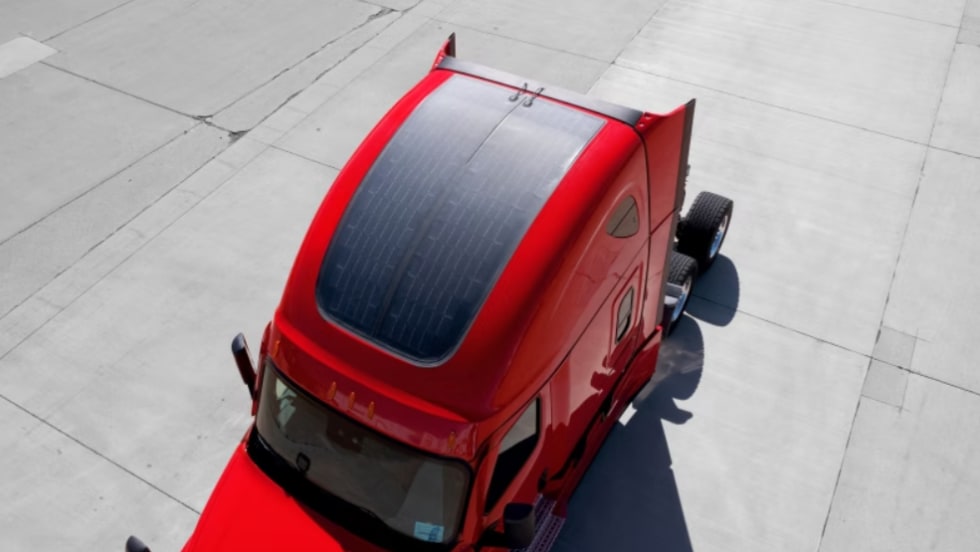
The company’s expanded EPEQ ecosystem includes flexible solar panels, lithium batteries, hydraulic power systems, and a portable fast charger for electric trucks.
Read More →
Listen as Mike Roeth of the North American Council for Freight Efficiency shares insights into battery-electric trucks, natural gas, biofuels, and clean diesel on this episode of HDT Talks Trucking.
Read More →