Fred Meyer Grocery Fleet Receives First LNG Trucks
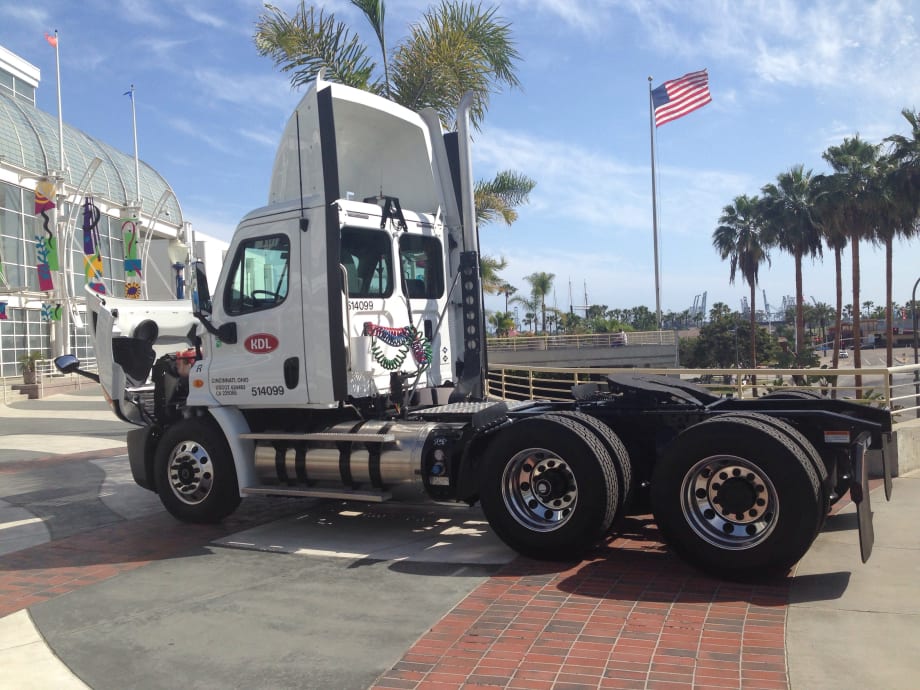
Fred Meyer Stores announced the arrival of its first 11 heavy-duty trucks that run on liquefied natural gas (LNG). The food retail will receive a total of 40 LNG trucks over the next several months.
by Staff
December 5, 2014
Photo: Clean Energy Fuels
2 min to read
Photo: Clean Energy Fuels
Fred Meyer Stores, a division of The Kroger Co., announced the arrival of its first 11 heavy-duty trucks that run on liquefied natural gas (LNG). The food retail chain will receive a total of 40 LNG trucks over the next several months, making Fred Meyer the first company in Oregon to deploy a fleet of heavy-duty LNG trucks, according to Clean Energy Fuels Corp., which will provide both the LNG fuel and fueling infrastructure.
Ad Loading...
The new LNG trucks will replace 40 diesel trucks currently in use, and will deliver product to Fred Meyer stores as far south as Corvallis, Ore., and as far north as Longview, Wash. Some of the 40 diesel trucks will be used to replace older, less efficient diesel trucks in the fleet.
Ad Loading...
The trucks will average approximately 175 miles per day, six days a week, 52 weeks a year. According to Clean Energy, they are expected to reduce greenhouse gas emissions by approximately 755 metric tons per year, which equates to removing approximately 159 passenger cars from the road annually. The trucks are manufactured at Freightliner’s North Carolina plant.
The fleet will be fueled at a new, private LNG fueling station at Fred Meyer’s Clackamas, Ore.-based distribution center, which has been designed and engineered by Clean Energy. In addition, Clean Energy will supply the liquefied natural gas for the fueling station, and once all 40 trucks are active, Clean Energy will supply the approximately one million gallons a year needed to service them.
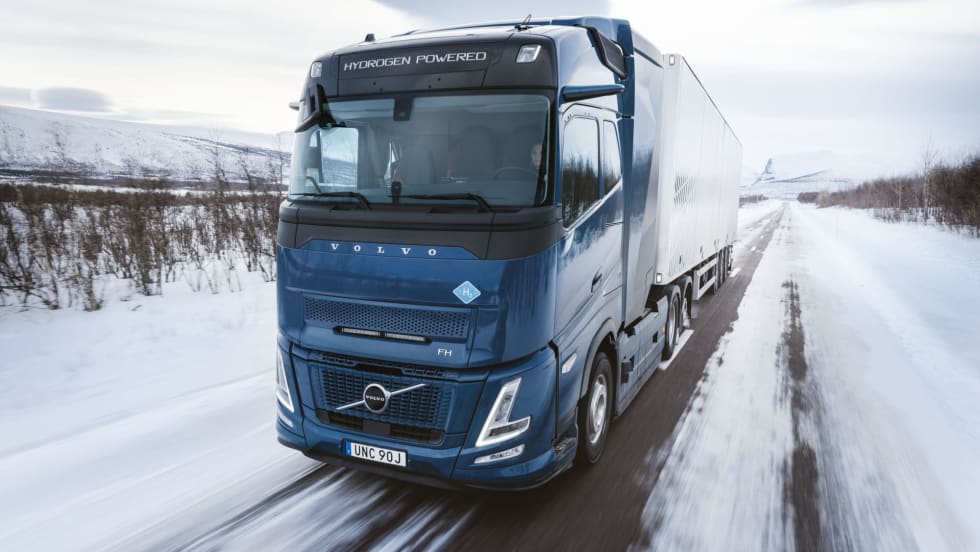
Hydrogen combustion engine trucks will be especially suitable over longer distances and in regions where there is limited charging infrastructure or time for recharging of battery-electric trucks, according to the company.
Trucking operators are slowing speeds, cutting empty miles, and declining unprofitable freight as diesel costs continue to rise due to conflict in the Middle East.
New guidance allows engine makers to replace problematic DEF sensors with NOx-based systems, aiming to reduce unnecessary derates and downtime caused by failures in the sensors designed to monitor diesel exhaust fluid on trucks.
Artificial intelligence, the software-defined vehicle, telematics, autonomous trucks, electric trucks and alternative fuels, and more in this HDT Talks Trucking interview
The company’s expanded EPEQ ecosystem includes flexible solar panels, lithium batteries, hydraulic power systems, and a portable fast charger for electric trucks.
Listen as Mike Roeth of the North American Council for Freight Efficiency shares insights into battery-electric trucks, natural gas, biofuels, and clean diesel on this episode of HDT Talks Trucking.