





More on Diesel Emissions Rules: Justice Department Pulls Back on Criminal Prosecution of Diesel Emissions Deletes
California: Clean Truck Check Rules Still in Force for Out-of-State Trucks, Despite EPA Disapproval
The Environmental Protection Agency said California can’t enforce its Heavy-Duty Inspection and Maintenance Regulation, known as Clean Truck Check, on vehicles registered outside the state. But California said it will keep enforcing the rule.
January 29, 2026
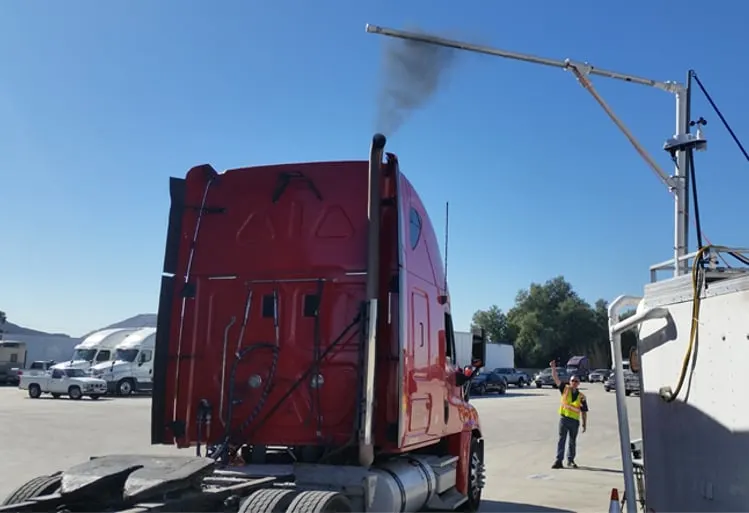
Part of California's enforcement of its Clean Truck Check regulations involves smoke opacity checks.
Credit: CARB
3 min to read
The Environmental Protection Agency said California can’t enforce its Heavy-Duty Inspection and Maintenance Regulation, known as Clean Truck Check, on vehicles registered outside the state. But California said it will keep enforcing the rule.
The state implemented the rule as part of its efforts to meet air quality standards by ensuring heavy-duty vehicle emissions control systems operate properly throughout the life of the vehicle and necessary repairs are made in a timely manner. Clean Truck Check requires reporting, payment of annual compliance fees, and vehicle emissions testing.
In a news release, EPA said that California’s attempt to establish the program in its State Implementation Plan for heavy-duty vehicles that pass through California, regardless of where the vehicle was registered, may be in conflict with the U.S. Constitution’s Commerce Clause.
However, according to published reports, the California Air Resources Board said it will continue to apply the program to all trucks, including those registered out of state.
Why Did EPA Deny California’s Smoke Check?
EPA determined that California failed to provide necessary assurances, as required by Section 110 of the Clean Air Act, that implementing the Regulation would be consistent with the U.S. Constitution’s Commerce Clause, which prevents states from interfering with interstate and international trade.
The agency said it has approved the regulation only as it applies to in-state-registered vehicles.
The Safe Bet: Continue to Follow Clean Truck Check Rule
“This announcement is a whole lot of bluster about bean counting,” said CARB spokesperson Lindsay Buckley in a statement widely reported by the media.
“EPA has no authority over this program, and we will continue to enforce the law to ensure that all trucks coming into and operating in California abide by the same rules — even if EPA doesn’t want to give us credit.”
As Politico explained, in practice, the rule remains in effect for out-of-state trucks, according to CARB spokesperson Buckley.
“EPA’s disapproval means that the air quality improvements stemming from those inspections will not count toward the list of emissions reductions efforts California has employed to clean up its air under the Clean Air Act, which could require CARB to take additional emissions reduction steps.”
California’s Reason for Smoke Checks on Trucks
CARB submitted the Heavy-Duty Inspection and Maintenance Regulation to EPA as a revision to the California SIP in December 2022.
According to CARB, heavy-duty vehicles are responsible for 52% of the on-road NOx emissions and 54% of on-road PM2.5 emissions. And out-of-state or out-of-country heavy-duty vehicles make up about half of the total number of heavy-duty vehicles travelling in the state and approximately 30% of heavy-duty vehicle NOX emissions.
The regulation applies to all non-gasoline combustion vehicles above 14,000 gross vehicle weight rating (GVWR) that operate in California. There is a limited five-day pass-through exception permitting program available once a year.
Clean Truck Check requires owners of heavy-duty vehicles operating in California to:
Report owner and vehicle information to CARB.
Demonstrate that their vehicle emissions control systems are properly functioning through vehicle compliance tests completed by CARB-approved testers.
Periodically submit vehicle compliance test results to CARB. Vehicles equipped with on-board diagnostic systems can be tested using OBD data, while older non-OBD vehicles are subject to smoke opacity and visual inspections.
Vehicle owners are also required to have a valid HD I/M compliance certificate with the vehicle while operating in California, which they must present to a CARB inspector and/or California Highway Patrol officer upon request.
More Fuel Smarts
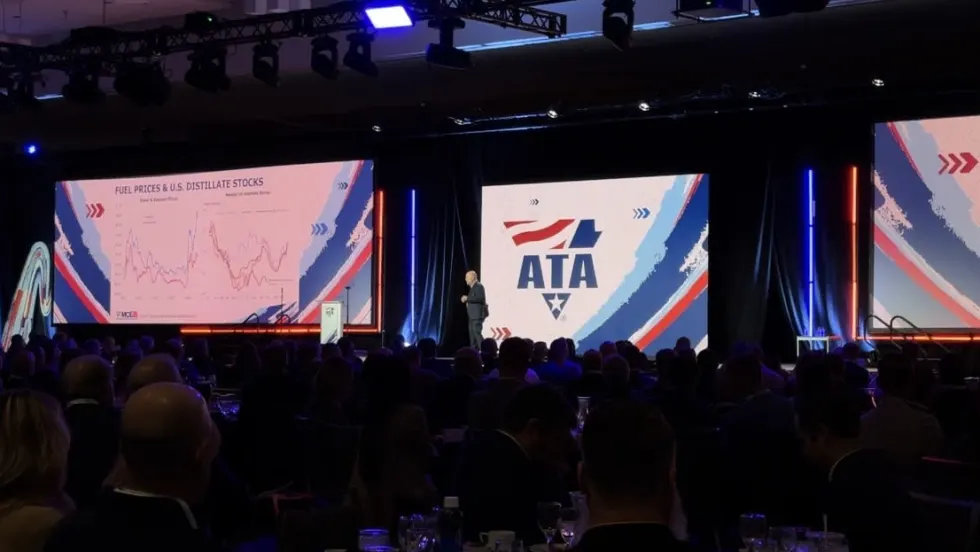
Trucking’s Diesel Squeeze Isn’t Letting Up
With diesel topping $6 a gallon nationally, ATA's Bob Costello explains why fleets should prepare for continued pressure at the pump.
Read More →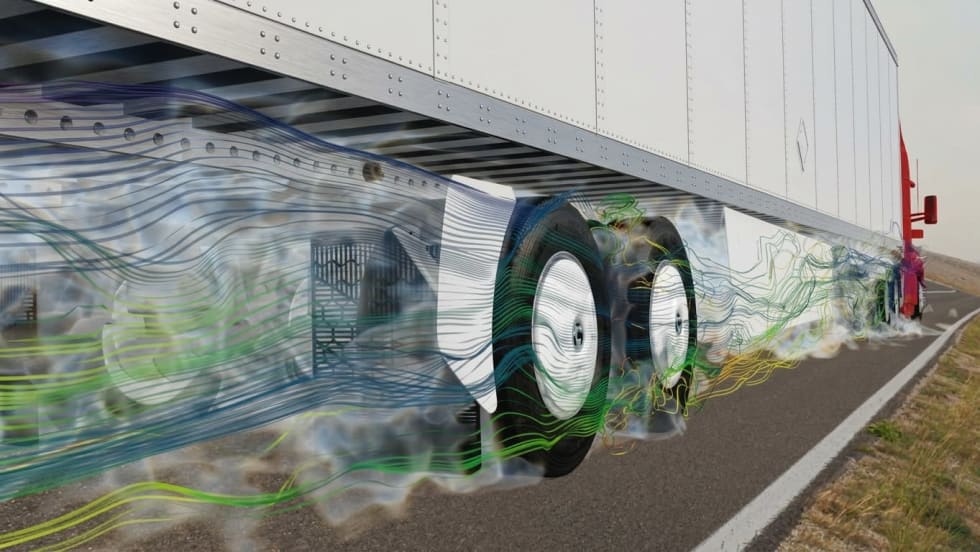
FlowBelow Redesigns Trailer AeroSlider to Cut Fuel Use
The lighter trailer aerodynamic system installs in less than 45 minutes, according to the company, with potential payback in under a year depending on fuel prices and trailer mileage.
Read More →
Why Diesel Price Relief Efforts May Fall Short
Diesel prices have eased from September’s record high, but doubts about additional Russian supply and limits on dyed-diesel tax relief mean trucking fleets still face expensive fuel. And prices could go higher.
Read More →
Why Small Fuel Savings Matter in Trucking
Can better fuel economy help pay for driver raises? In this podcast, GP Transco explains how small efficiency gains create room to reinvest in its people.
Read More →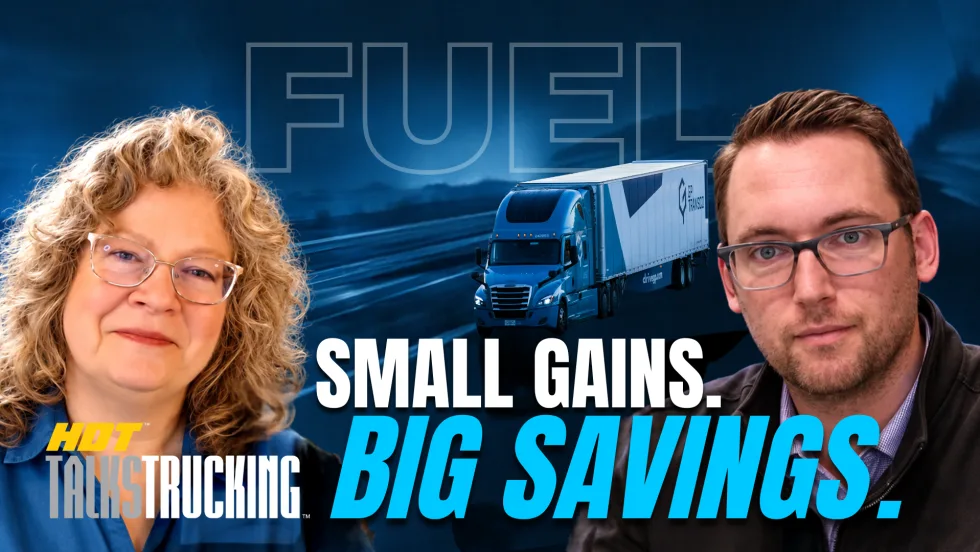
How GP Transco Cuts Trucking Fuel Costs, a Tenth of a Gallon at a Time
What’s another tenth of a mile per gallon worth? GP Transco shares how equipment upgrades and driver coaching turn small gains into meaningful fuel savings.
Read More →
Electric Yard Tractors Move Beyond Pilots
Operating-cost savings have overtaken sustainability goals as the leading reason surveyed fleets are adopting battery-electric terminal tractors, according to new NACFE research.
Read More →
Geotab Links Fleet Card to Vehicle Data
The new card combines fuel discounts with telematics-based purchase controls. Geotab’s analysis also points to potential savings from choosing lower-priced fuel stops.
Read More →
Fleet Economics Shape Electric Truck Outlook
ACT Research expects costs, charging infrastructure, and technology improvements to drive zero-emission commercial vehicle adoption as federal regulations and incentives retreat.
Read More →
Wex Adds Cardless Fuel Payments for Over-the-Road Customers
A new fuel card feature for Wex customers offers convenience and security.
Read More →
New California Law Could Shed Light on Electric Truck Prices
Why do battery-electric Class 8 trucks remain so expensive? A California bill signed by Gov. Gavin Newsom would give fleets and state agencies more visibility into what manufacturers charge.
Read More →