





Don’t Fear the Blitz: How Truckers Can Own CVSA’s International Roadcheck
Kenworth, Peterbilt Recall 56,000+ Trucks for Lift Axle, Lighting Issues
The recall affects certain Kenworth and Peterbilt models built over a two-year period and stems from electronic control issues that could create safety risks on the road.
July 14, 2025

Dealers will update the affected trucks' control module software to resolve the issue at no cost to owners.
Image: HDT Graphic
2 min to read
Paccar is recalling more than 56,000 Kenworth and Peterbilt trucks due to a potential software glitch that could cause lift axles to raise or lower unexpectedly, and may lead to delayed or erratic activation of headlights and brake lights.
The recall affects certain 2023-2026 Kenworth T380, T680, T880, Peterbilt 520, 548, 567, 579, 2024-2026 Kenworth T480, W990, Peterbilt 536, 537, 589, 2025 Kenworth T180, Peterbilt 535, 2025-2026 Kenworth T280 and L770 vehicles.
Because of a software problem on some of these trucks, the tail brake light, upper and lower beam headlights, reverse light, and turn signal may not illuminate as intended.
In addition, the lift axles, if lowered, may revert to a raised position, or oscillate up and down when the signal warning lights are activated.
These issues may result in non-compliance with FMVSS/CMVSS 108.
The National Highway Transportation Safety Administration, in its recall notification, pointed out the safety issues cause by the glitch:
Delayed and unsteady illumination of vehicle stop lamps and un-commanded change in headlamp illumination may increase the risk of crash.
Un-commanded position change of lift axles may increase the risk of injury.
Drivers won't get any warning of the problem, although they may see the change in forward lighting activation as it occurs.
What's Causing the Erratic Lighting and Lift Axle Behavior on Some Paccar Trucks?
The vehicle controller software has an incorrectly configured time counter that may cause some specific messages from the vehicle ECU to the chassis module to not be sent at their intended frequency.
Dealers will update the vehicle software, free of charge. The manufacturer has not yet provided a schedule for recall notification. Owners may contact Kenworth's customer service at 1-425-828-5888 and Peterbilt's customer service at 1-940-591-4220. Paccar's number for this recall is 25PACF.
More Safety & Compliance
Truck Snow Removal: Fines Aren't the Only Risk
Delaware and Maryland are the latest states to add requirements and fines for snow and ice removal on commercial trucks. But a flying-ice accident could cost a fleet more than a citation.

How ATA Wants to Fix ELD Certification
ATA's new roadmap calls for independent ELD certification, better fraud detection and closer oversight of providers. Here's how the proposed system would work.
Daimler, Paccar Recall Trucks Over Driveline Defect
Nearly 4,900 Freightliner, Western Star, and Kenworth trucks are being recalled because a missing snap ring could allow the driveline to separate from the truck.
133 ELDs Revoked as ATA Pushes Certification Reform
FMCSA just removed a record number of electronic logging devices from its registry. ATA says it's time to rethink how ELDs get approved in the first place.
CVSA Sets 2027 International Roadcheck Dates
The annual 72-hour truck inspection blitz will take place May 11–13 across North America. Here's what fleets can expect and what inspectors found during the 2026 event.

FMCSA’s New Complaint Platform Makes It Easier to Report Trucking Safety Concerns
The FMCSA Complaint Center features expanded complaint categories and a name change away from the word "consumer."

FDA Eases Path for Oral-Fluid Testing
Federal actions could advance oral-fluid drug testing for truck drivers, but lab certification delays and marijuana rescheduling questions remain.
Kodiak Lines Up Fleets for Driverless Trucking
An agreement for 75 trucks, a new Texas freight lane, and progress on safety validation move Kodiak closer to its planned driverless highway launch.
More Trailer Data Through the Same Seven-Way [Video]
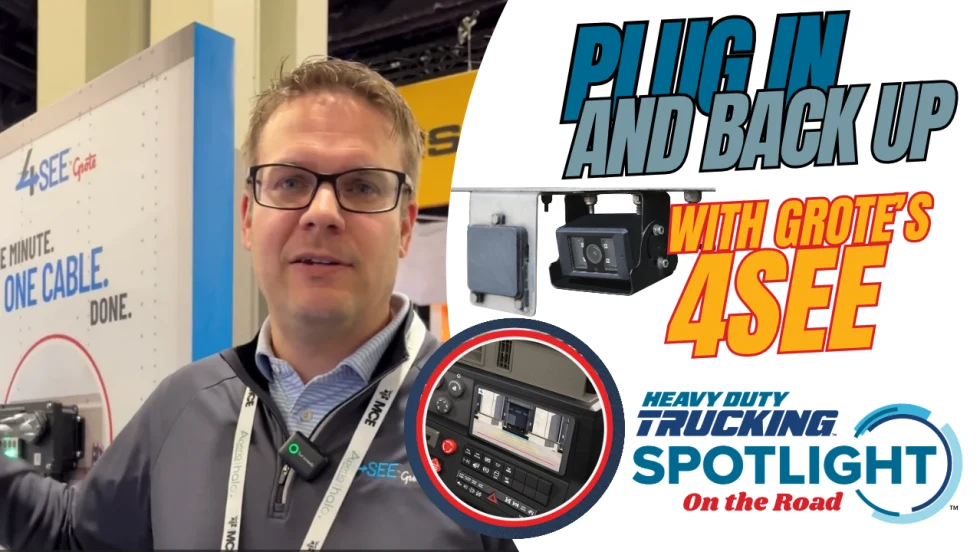
Can trucking’s standard seven-way connector handle more cameras and trailer data? Grote’s Adam Slade shows HDT how the company is using new technology with its 4See trailer system, not only to add a new backup camera but also to expand other capabilities — without adding another connection.
PrePass Intelligence Mines Fleet Bypass, Toll and Safety Data
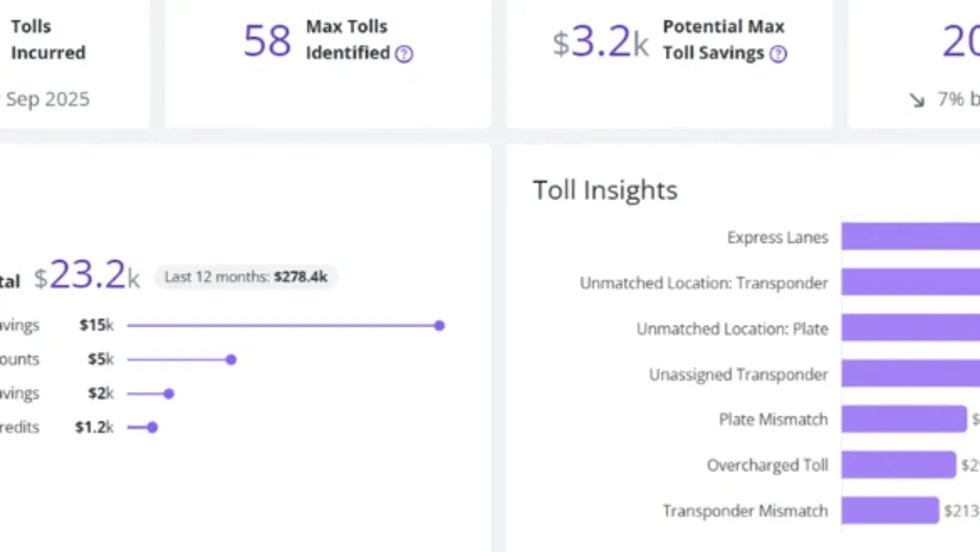
PrePass Intelligence helps fleets measure bypass savings, flag potential toll overcharges, and spot suspicious transactions by combining data from separate systems.