




Motor Carriers and Logistics Companies Offer Shippers More Options than Ever
What Trucking Companies Need to Know About 4PLs
The global fourth-party logistics (4PL) market is growing, driven by increasing supply chain complexity, the rise of e-commerce, and the demand for integrated logistics solutions. What does this mean for trucking companies?
by Nick Fryer, Sheer Logistics
May 28, 2025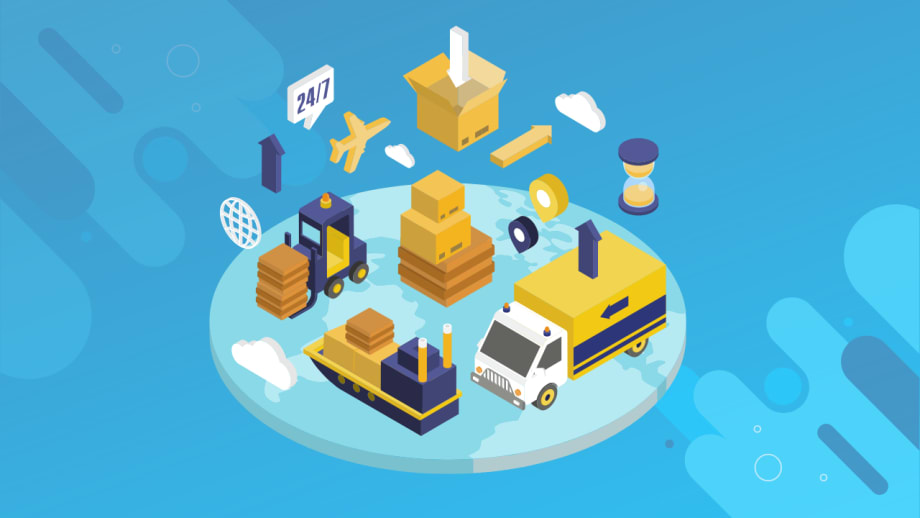
Technology and other trends are driving the growth of fourth-party logistics companies.
Image: HDT Graphic
5 min to read
While 3PLs (third-party logistics providers) have long been central to freight logistics, a growing number of shippers are turning to 4PLs (fourth-party logistics providers) to orchestrate their entire supply chain operations. What does this mean for trucking companies?
These 4PLs don’t just manage individual pieces of the logistics puzzle. They integrate technology, optimize strategy, and coordinate multiple service providers (including trucking fleets) for better efficiency and visibility throughout the supply chain.
For trucking companies — particularly for-hire carriers — this shift has major implications.
Understanding how 4PLs work and how they influence freight networks is critical for staying competitive, maintaining strong shipper relationships, and adapting to growing demands for transparency and scalability.
This article explains 4PLs, how they differ from 3PLs, and what their growing role means for today’s trucking fleets.
What is a 4PL?
Fourth-party logistics (4PL) providers act as strategic coordinators within the supply chain. Hired by shippers, they manage the big picture, overseeing multiple 3PLs, technology platforms, and transportation providers to create a unified, optimized logistics network.
Unlike 3PLs, which typically handle a single function like warehousing or transportation, 4PLs are responsible for aligning every moving part, from procurement and inventory to final delivery.
Trucking fleets often operate as contracted partners within 4PL-managed ecosystems.
Here’s what a 4PL typically handles:
End-to-end supply chain management
Coordination of all logistics partners (including 3PLs, carriers, and suppliers)
Consulting on supply chain strategy and optimization
Integrating IT solutions across the network
Providing centralized visibility into shipments and carrier performance
For trucking companies, this means 4PLs often define the tech standards, visibility expectations, and communication protocols that fleets are asked to meet.
How is a 4PL Different From a 3PL?
The core difference between a 4PL and a 3PL is one of scope and authority.
A 3PL executes a specific function within the supply chain, such as transporting freight or running a distribution center. A 4PL, on the other hand, oversees the entire supply chain and manages the 3PLs, often with full decision-making authority on behalf of the shipper.
For carriers, this distinction matters. Fleets working within a 4PL-managed supply chain may:
Interface with a centralized logistics platform across multiple customers
Be expected to meet visibility and tracking requirements defined by the 4PL
Operate under network-wide performance metrics and risk management protocols
In short, 3PLs may assign loads, but 4PLs determine how the network runs, including who gets the loads, how performance is measured, and how exceptions are handled.
How 4PLs Improve Efficiency and Visibility for Trucking Fleets
Trucking companies may not hire 4PLs directly but increasingly operate within their networks. And that has significant implications for fleet performance, data sharing, and operational standards.
Here’s how 4PLs raise the bar:
Holistic Management: 4PLs look at logistics from a higher altitude. They don’t just manage one segment; they oversee everything, making it easier to identify inefficiencies across providers. Fleets that meet the 4PL’s visibility and compliance standards are often rewarded with more consistent business and streamlined communication.
End-to-End Tracking: Unlike 3PLs that track their own slice of the supply chain, 4PLs unify data from all providers (including carriers) to build a complete view. Trucking companies that can plug into this ecosystem gain a competitive edge by improving ETA accuracy, exception management, and customer service.
Data-Driven Optimization: 4PLs rely on real-time and historical data to improve routing, fuel efficiency, and capacity planning. Carriers that share accurate tracking data may benefit from more optimized assignments and better route planning.
Advanced Technology Integration: From TMS platforms to telematics, 4PLs bring advanced technology to the table. They often expect their carrier partners to integrate with these systems. Fleets that already use systems such as GPS tracking and route optimization tools are better positioned to meet these requirements.
The Role of Data and Technology in Optimizing Freight Operations
Across the logistics landscape, data is king, and 4PLs are using it to drive smarter decisions.
A McKinsey survey recently highlighted the rising use of artificial intelligence, the internet of things, and GPS-based technologies by global logistics providers.
For trucking fleets, this means:
TMS (transportation management system) adoption can streamline communication with shippers and reduce delays or disputes
Telematics can help reduce accident risk, assess driver performance, and lower insurance premiums
Predictive analytics can improve maintenance planning, fuel management, and help fleets align with shifting demand patterns
By participating in these technology-driven networks, trucking companies become more than service providers. They become data partners, too.
When It Makes Sense for a Trucking Fleet to Engage with a 4PL-Driven Network
While trucking companies don’t typically hire 4PLs directly, they do benefit from participating in 4PL-led supply chains, especially when:
They work with multiple shippers or intermediaries
They want to improve shipment visibility and performance tracking
They’re looking to expand and need scalable, tech-integrated systems
They want to reduce risk through better planning and data sharing
They’re seeking more consistent, high-volume contracts from major enterprise shippers
In addition to their role in coordinating freight networks, 4PLs are also used by truck and trailer manufacturers to manage inbound components and outbound delivery of finished vehicles.
For fleets serving OEMs, this adds another layer of complexity — and opportunity — in how loads are assigned, tracked, and optimized.
4PLs may not replace 3PLs or freight brokers, but they are changing the rules of engagement for trucking fleets. Understanding how 4PLs operate — and what they expect from their carrier partners — is essential for trucking companies looking to grow, improve visibility, and stay competitive in a fast-changing logistics ecosystem.

About the Author: Nick Fryer is vice president of marketing for Sheer Logistics. He has over a decade of experience in the logistics industry, spanning marketing, public relations, sales enablement, M&A and more at 3PLs and 4PLs including AFN Logistics, GlobalTranz, and Sheer Logistics.
This article was authored and edited according to Heavy Duty Trucking’s editorial standards and style to provide useful information to our readers. Opinions expressed may not reflect those of HDT.
Subscribe to Our Newsletter
More Fleet Management

Sponsored•September 1, 2026
How Telematics Improves Visibility, Control, and Performance in Refrigerated Fleets
Explore how telematics help refrigerated fleets improve visibility, uptime, efficiency, compliance, and cargo protection across connected cold chain operations.
Read More →
What the U.S.-Canada Trade War Means for Trucking
Escalating U.S.-Canada tariffs could disrupt cross-border freight, reduce truck volumes, raise costs, and create new uncertainty for carriers on both sides of the border.
Read More →
What Are Trucking’s Top Concerns for 2026?
The American Transportation Research Institute wants to know what's worrying trucking fleet managers, drivers, and other stakeholders in its annual Industry Issues survey.
Read More →

American Trucking Associations Looks for a New Leader
ATA President and CEO Chris Spear abruptly left his job at the association on August 21, at a pivotal time for the trucking industry.
Read More →
Public Wi-Fi Cybersecurity Risks: How Truck Drivers and Fleets Can Protect Their Data
Public Wi-Fi can expose truck drivers and fleets to credential theft, malware, and other cyber threats. Here’s how to reduce the risk on the road.
Read More →
For Nicky Cupp, Fleet Innovation Starts With Frustration
HDT Truck Fleet Innovator Nicky Cupp turns everyday pain points at Fraley & Schilling into opportunities for better technology and smarter processes.
Read More →
Adam Buttgenbach’s Approach to Electric Trucks: Start With Where They Fit
HDT Truck Fleet Innovator Adam Buttgenbach helped PepsiCo build one of North America’s largest EV fleets by focusing on where electric trucks make operational sense.
Read More →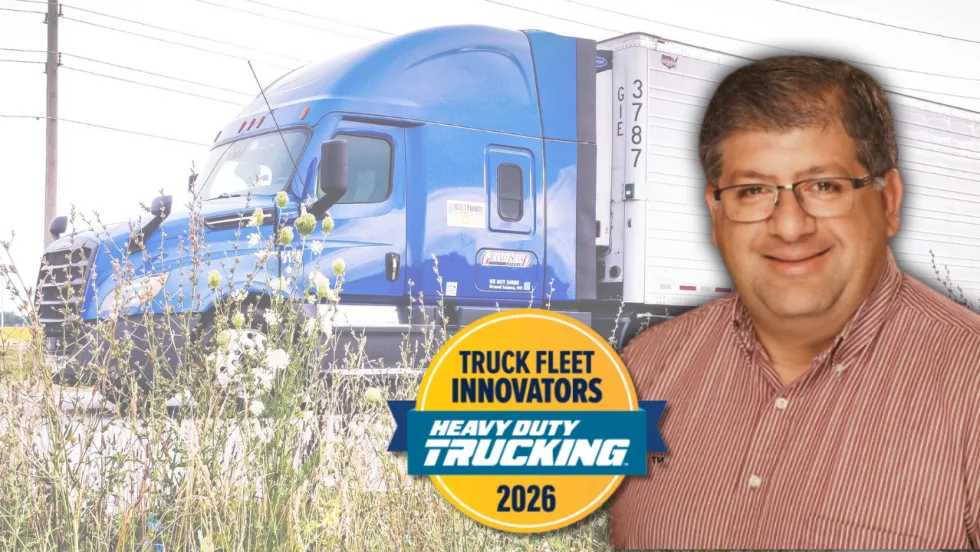
Deen Albert: Let Automation Do the Math, People Make the Decisions
HDT Truck Fleet Innovator Deen Albert makes sure people are still at the heart of operations at Grand Island Express, even while adopting artificial intelligence tools. AI-assisted dispatch helped boost revenue 25% with the same number of trucks.
Read More →
Trimble’s New AI Agent Takes Aim at Fleet Back-Office Busywork
Arc Agent works across Trimble TMS products to automate repetitive tasks such as freight orders, maintenance, invoices, fuel costs and more.
Read More →
How HDT’s 2026 Truck Fleet Innovators Are Rethinking Fleet Operations
Meet five trucking leaders who are challenging assumptions, solving operational problems, and putting innovative ideas to work.
Read More →