





How A Former Truck Driver Built a Safety Culture at A. Duie Pyle
5 Ways to Engage Drivers in Your Trucking Fleet's Safety Culture
Drivers are a key part of a trucking company's safety efforts. Learn how HDT's 2024 Safety & Compliance Award finalists make their drivers the foundation of their safety culture.
December 13, 2024
How can you get truck drivers invested in a culture of safety?
Image: HDT Graphic
6 min to read
Safety at trucking companies is often thought of in terms of policies, training sessions, and compliance with regulations. But for the finalists of the 2024 HDT Safety & Compliance Awards, safety is just as much about building a culture of safety.
And a vital part of that is driver engagement.
While safety bonus programs and driver training are an essential part of these leaders’ safety programs, they’ve also found that creative recognition programs, personal interaction, and a supportive environment inspire drivers who are satisfied and safe.
1. Making Safety Fun for Your Trucking Company's Drivers
Frank Chauvette, transportation safety manager at Ocean State Job Lot, wants to create a company driving competition featuring precision skills such as seeing how close they can back up to a safety cone with an egg balanced on top – without breaking the egg.
Dylan West, safety training manager at petroleum-hauling company Keystops LLC, has developed an in-house driver simulator. Especially for younger drivers who grew up playing video games, it’s an engaging way to get safety training.
Driver recognition and rewards, too, can go beyond safety bonuses and barbecues.
For National Truck Driver Appreciation Week, Chauvette created giant baseball cards for a sampling of his drivers. Each card featured the driver’s photo and stats.
“We hung them up in the cafeteria for everyone to see, and it was a blast,” he says. “Drivers loved seeing themselves on a baseball card.”
2. Focusing on Truck Driver Safety Coaching
All five finalists use in-cab cameras and telematics to identify drivers needing coaching in certain areas, such as following too closely or driving distracted. They also all focus on using that technology for coaching rather than punishment.
Darrel Wilson, CEO of Wilson Logistics, explains, “I’m not here to scold them; I’m here to help them improve.”
Chris Woody, director of safety at M&W Logistics, takes it a step further and uses what’s captured on those videos to allow drivers to “self-coach.”
“I am probably only going to call a driver if we've got a recurring problem or we've got an egregious problem,” he says. “Otherwise, I'm going to send them the video and let them watch it and let them fix it themselves.”
They also emphasized the importance of timeliness in these efforts.
When West sees a video indicating a driver needs attention, “My goal is to approach it with a driver as quick as possible, while they still might remember the event, rather than let it linger,” he says.
“Some people will let stuff sit there for one, two, three weeks at a time and then approach a driver a month later. And I don't think that works.”
3. Showcasing Your Drivers' Safe Behaviors
Each finalist found ways to highlight the good things drivers do, not just the mistakes. By focusing on positive reinforcement, they reinforce safe behaviors in ways that feel meaningful and motivating for truck drivers.
For example, West rewards drivers who go above and beyond in their daily routines. This means a driver’s safety bonus isn’t only impacted negatively by mistakes; it can also increase based on consistently good safety practices.
During his quarterly safety meetings, Chauvette plays notable video clips from the in-cab cameras. These videos could show drivers who’ve managed tricky situations or avoided collisions due to quick thinking or examples of the crazy people drivers have to deal with on the road.
“We give them a lot of positive feedback,” he explains. Drivers are encouraged to hit the “record” button on their camera system if someone cuts them off or something “really odd” happens.
“It gives me a 20-second clip before [the incident]. He tells drivers, “You know, you not only exonerate yourself, but it gives me an idea of what's going on out there.”
4. Making a Personal Connection With Drivers
While safety policies and technology are essential, nothing beats a personal connection.
West regularly leaves his office to visit drivers at terminals across his region.
“We cover three states, and I try to travel as much as I can to make sure they can see me, they know I'm around,” he says.
“That way, they know if they need something, they can get a hold of me — and understand that I'm not here to be their enemy. I'm here to be their partner and help them achieve their goal of, obviously, making as much money as they can, but also making it home at the end of the day.
“One of my favorite things is when I am here at the office, throughout the day, two or three different drivers will come through the office, and they’ll pop in here, and we’ll just have a conversation for a few minutes,” West says.
In contrast, he says, “I've worked at companies where I wouldn’t walk past the Safety Man’s door.”
M&W’s Chris Woody meets with every driver during onboarding to share the company’s safety philosophy and set a tone of mutual respect from day one.
“I tell them, ‘You are a grown-up person and a professional driver, and I sit at a desk in a 72-degree, really nice office all day long, and I'm not going to tell you how to drive that truck. I'm not going to disrespect you like that.”
M&W is small enough for Woody to know all the drivers. In fact, he says, drivers often come to him for advice and help on other problems in their lives.
While A. Duie Pyle has too many drivers for Loss Prevention Manager Rich Kaczynski to know personally, he still advises companies to engage not only drivers, but all employees.
“Ask them for their suggestions, what they think would be better, and give them give them an avenue to [respond], whether they can come to you in person, or submit something anonymously, but engage all your employees.”
5. Making Drivers Part of a Safety Community
Every finalist pointed out the importance of making drivers feel like they’re part of a community. Safety programs that foster team spirit and pride in the fleet’s success help drivers feel like they belong, motivate them to keep safety in mind, and increase driver satisfaction and retention.
It starts during recruiting and onboarding. Kaczynski, who was a longtime driver before moving into Pyle’s safety department, recalls working for some companies that don’t do much for new drivers beyond handing them the keys and the information on where they need to deliver.
When that happens, he says, “You stumble and fumble the entire time. Whereas we bring all of our drivers to our corporate office for a week, and we have an entire program we've laid out,” which includes the company owner personally addressing the drivers.
Chauvette worked with the company’s marketing department to design a “zero accidents, zero injuries” logo in the company colors, which he had emblazoned on T-shirts and polo shirts that drivers can wear with pride.
“It was really a morale booster for them to have something they could call their own,” he says.
Wilson Logistics integrates operations, recruiting, and safety teams into one large workspace, making it easy for everyone to connect and support each other.
“Safety isn’t just a department here,” Wilson says. “It’s a team effort.”
It's All About Caring About Your Drivers
Ultimately, says Woody, it comes down to caring about your drivers.
“The fundamental part of a safety culture is actually caring. If you don't actually care, go do something else.”
Kaczynski agrees.
“You have to show compassion. You know, good drivers have bad days. You have to recognize that and figure out why they're having that bad day and just help steer them through.
“But it's definitely that communication, that honesty.”
These safety leaders have each put their own spin on driver recognition, from custom baseball cards to ongoing feedback and team building. By making safety both fun and meaningful, they’ve created a culture where drivers feel seen, supported, and motivated to stay safe.
Subscribe to Our Newsletter
More Safety & Compliance
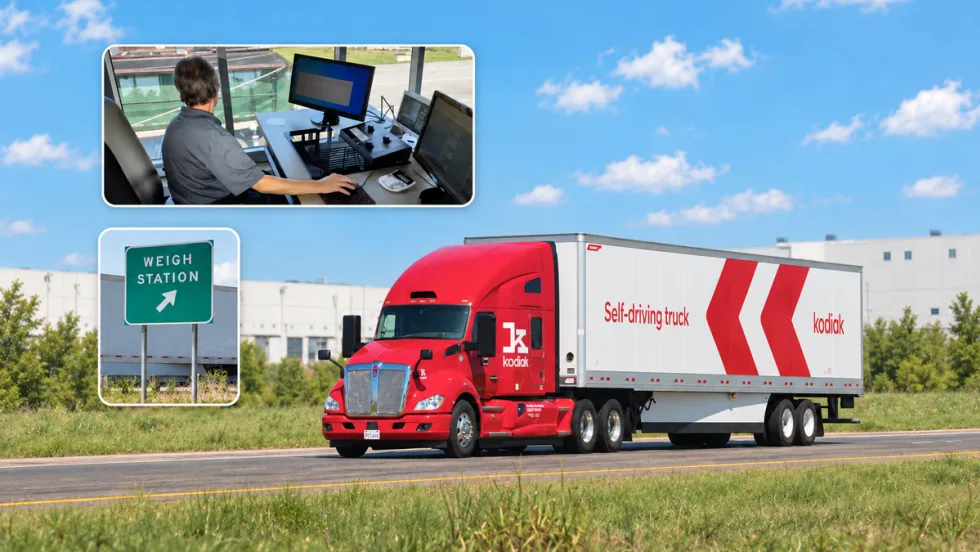
PrePass, Kodiak Connect Driverless Trucks to Roadside Enforcement
The system will allow enforcement agencies to verify Enhanced Inspection information and decide whether Kodiak’s autonomous trucks can bypass roadside screening sites.
Read More →
From One Generation to the Next: How Mentorship Builds Safer Truck Drivers
After three decades in trucking, Harold Perry shares what he's learned about driver safety, mentorship, and helping the next generation build confidence behind the wheel.
Read More →
FMCSA Pauses Biennial-Update Enforcement Amid Motus Transition
Carriers whose updates were due on or after June 1 have more time, while FMCSA works to stabilize its new registration system and warns of phishing sites impersonating its new carrier registration system, Motus.
Read More →
ZF Expands Commercial Vehicle Push in North America
ZF is expanding its North American commercial-vehicle presence with new transmission applications, electrification, trailer technology and autonomous-driving systems.
Read More →
Truck Drivers Need More Than Another Alert
Fleets have more visibility into truck health, safety events, and driver activity than ever. The next challenge is turning all that information into useful guidance for the person who has to decide what to do next.
Read More →
Tesla Wants a Self-Driving Semi. Are Cameras Enough?
Could Tesla’s camera-only autonomous driving technology work on an 80,000-pound Semi? In this commentary, HDT's Deborah Lockridge takes a look at Tesla, Cybercab, and how autonomous trucks see the road.
Read More →
What DOT’s Automated Vehicle Strategy Means for Trucking
The U.S. Department of Transportation issued a new automated-vehicle strategy that outlines plans for driverless-truck regulations, cross-state freight corridors, and federal safety standards.
Read More →
NYC Expands Speed, Pedestrian Safety Tech Across Fleet
New York City is expanding intelligent speed assistance and pedestrian-alert systems across its municipal fleet, moving the technologies from pilot programs into vehicle procurement and retrofit requirements.
Read More →
FMCSA Removes 110 Truck Driver Training Schools from Certified ELDT List
Federal regulators also are targeting more than 160 additional training providers and launching a nationwide audit of third-party CDL skills testers as part of a broader crackdown on trucking fraud.
Read More →
Beyond DOT Compliance: What Makes a Trucking Fleet Truly Safe?
A trucking fleet can follow every rule and still make unsafe decisions. The real test comes when safety conflicts with freight, productivity, or cost.
Read More →