





Is Trucking Doing Enough to Prevent Crashes and Compensate Victims?
The Importance of 'Being Human' in Trucking Today
In an age of nuclear verdicts and AI, it's vital that trucking leaders keep in mind the very things that make us human, says HDT's Deborah Lockridge in this editorial.
October 31, 2024

Empathy is a powerful part of being human that can help trucking managers in everything from leadership to safety.
Image: HDT Graphic
3 min to read
A truck driver is involved in a crash with a passenger vehicle. The first thing he does is call his safety manager — before calling 911.
Company policy calls for the driver to remain in his truck until authorities arrive, so he doesn’t get out to see if someone in the car is injured or needs help he could provide.
Someone probably put these policies in place to avoid drivers saying things that could later be used against them. But as Jennifer Akre of law firm Tyson & Mendes explained at Heavy Duty Trucking Exchange, the cold-hearted and calculating nature of such a policy can work against you in court. There, plaintiff’s attorneys will do their utmost to create anger in the minds of the jurors directed against your company, your driver, your policies, for its disregard for others.
That’s why one of the strategies the firm uses in fighting nuclear verdicts is to personalize the defendant — or as Akre put it, “be human.”
What Does it Mean to be Human?
What does it mean to be human? I decided to ask ChatGPT, and it was a pretty good answer. Here’s a slightly edited version:
Consciousness and self-awareness: The unique ability to reflect on their own existence, contemplate the past and future, and understand their own thoughts and emotions.
Emotional depth: The capacity to feel a wide range of emotions — love, empathy, fear, joy, sorrow — and to form deep connections with others.
Complex social relationships: Humans form intricate social structures and communities. They care for one another, cooperate, and build cultures that pass down traditions, knowledge, and values.
Moral and ethical understanding: A sense of right and wrong and the ability to make moral decisions, often guided by empathy, compassion, and the understanding of justice.
Creativity and imagination: Humans express themselves through art, storytelling, innovation, and problem-solving.
The search for meaning: Humans often seek purpose or meaning in life, asking existential questions about their place in the universe and the significance of their actions.
Imperfection and growth: To be human is to be imperfect, to make mistakes, and to learn and grow from them, constantly evolving as individuals and as a species.
Leadership and Humanity
Being human is a key factor in leadership success, according to the HDT Emerging Leaders profiled in this issue. When asked what makes a good leader and how they lead, again and again the answers were similar: Empathy. Understanding. Caring.
Employees are not interchangeable playing pieces on a game board. They are humans, each with a unique set of strengths, talent, experience, and challenges. They are not all motivated and excited by the same things. They learn differently. They communicate differently. They have personal lives outside of work.
A good manager, a good leader, works to nurture the talents and strengths of each employee and help them improve and grow.
For instance, for one person, access to new technology tools such as AI to help boost productivity is just what they need. But another may need a more hands-on personal approach to help prioritize tasks.
Yes, I understand the irony of using artificial intelligence to help me write something on being human. (The definition is ChatGPT’s, the rest of the column is my own.)
AI makes a lot of people nervous. Will we be put out of work by robots? Will AI-generated deepfakes make it impossible to tell what’s real?
What makes us human is more important than ever.
Subscribe to Our Newsletter
More Fleet Management

What Will ATA’s New Leader Bring to Trucking's Table?
Incoming President and CEO Mark Colson’s record in Alabama offers clues about his priorities and approach following Chris Spear’s abrupt departure as the head of the American Trucking Associations.
Read More →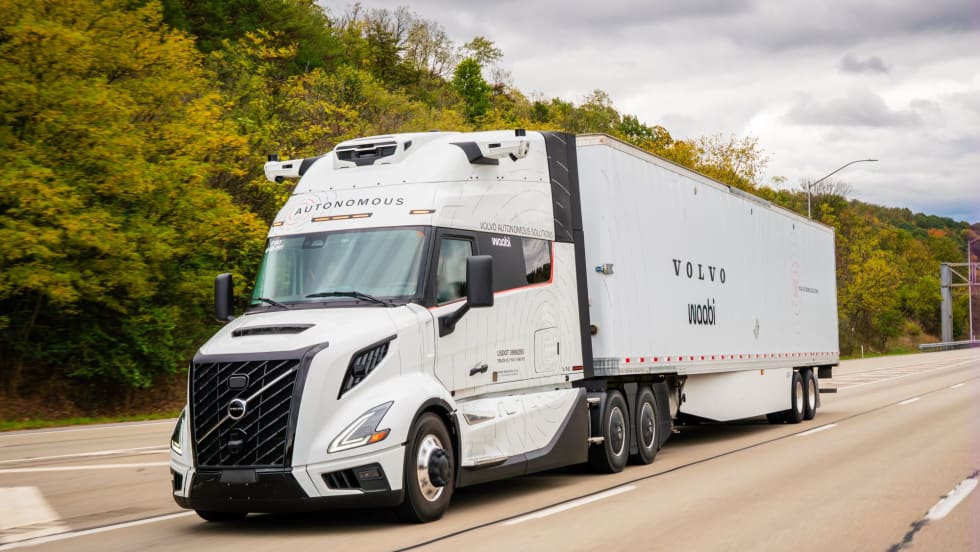
Volvo, Waabi Start Commercial Autonomous Operations in Texas
Volvo VNL Autonomous trucks, powered by the Waabi Driver, are hauling freight directly to third-party facilities for a customer in Texas.
Read More →
Samsara Launches Custom AI Agent Builder
Agent Studio lets fleets create AI tools for hours-of-service monitoring, reporting and driver support, including agents that communicate by phone.
Read More →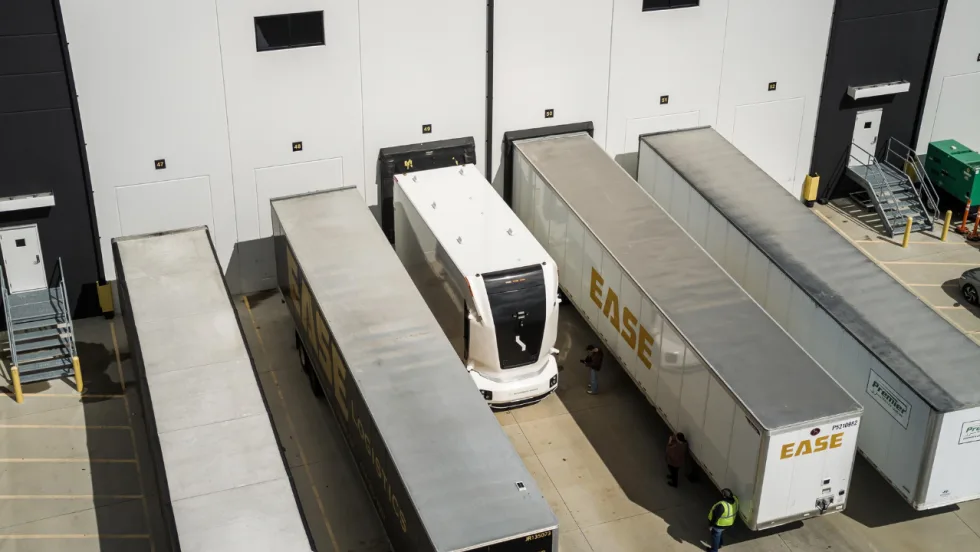
Einride Driverless Electric Trucks Begin Daily Freight Operations in Ohio
Two cabless electric trucks are hauling freight between EASE Logistics facilities in Marysville, Ohio, as part of a multi-state truck automation project.
Read More →
Geotab Links Fleet Card to Vehicle Data
The new card combines fuel discounts with telematics-based purchase controls. Geotab’s analysis also points to potential savings from choosing lower-priced fuel stops.
Read More →
How MFA Helps Protect Trucking Fleets
Multi-factor authentication adds protection when passwords are stolen. Here’s how it works and where fleets should start.
Read More →
How Better Freight Data Helps Trucking Teams Get Ahead of Disruption
Trucking and logistics teams have plenty of data. The problem is getting the right information in front of the right people soon enough to act. Better-connected data can help teams spot trouble earlier and make smarter decisions before small problems become big ones.
Read More →
Trimble: Taking Artificial Intelligence in Trucking Beyond Faster Tasks
At Insight 2026, Trimble executives argued that fleets may need to redesign workflows to get more from AI as it introduced new products and enhancements. AI’s value will depend on how fleets combine automation with their people's knowledge.
Read More →
Sponsored•September 28, 2026
Build a bulletproof fleet: Uniting ELDs and dash cams for total compliance
An ELD can prove compliance, but it cannot always prove what happened on the road. Discover how uniting accurate ELD data with AI-powered dash cam video can help your fleet strengthen compliance, defend against liability, protect drivers and reduce operational costs.
Read More →
Nominations Open for HDT Emerging Leaders
Heavy Duty Trucking is looking for accomplished trucking fleet professionals under 40 who are making an impact and helping lead the industry forward.
Read More →