





Here's What Inspectors will be Looking for During Brake Safety Week 2024
Brake Safety Week 2024 Tips from Bendix
Bendix has issued preparation tips for North American fleets as Brake Safety Week 2024 draws near.
August 19, 2024
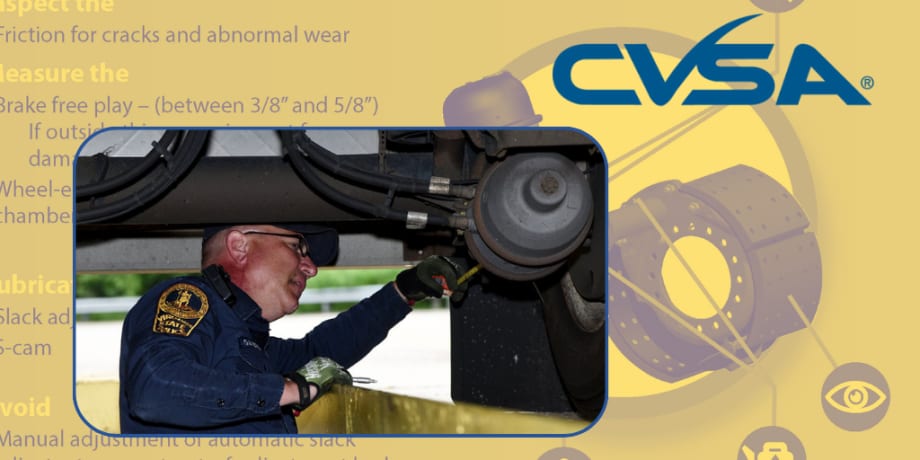
Brake Safety Week will be Aug 25-31, 2024 across the United States, Mexico and Canada.
HDT Graphic
6 min to read
One of the biggest touchstones on the North American commercial vehicle industry’s calendar is approaching: Brake Safety Week. This annual North American commercial vehicle road check event will take place August 25-31.
The annual weeklong inspection and enforcement event run by the Commercial Vehicle Safety Alliance (CVSA) examines vehicles across the United States, Canada, and Mexico.
Operation Airbrake
As it does every year, Bendix Commercial Vehicle Systems is offering suggestions to help fleets get ready.
“During last year’s CVSA Brake Safety Week, nearly 13% of the 18,875 vehicles inspected – a total of 2,375 – were placed out of service for brake-related issues,” said TJ Thomas, Bendix director of marketing and customer solutions, Controls. “So many violations are preventable through proper maintenance practices and regular equipment examination. You simply can’t overstate the importance of keeping up with maintenance and examination of the wheel-ends and braking system, because so many aspects of safe vehicle operation are directly impacted by what goes on in those areas.”
Thomas continued, “Everything is linked to how well the brakes and wheel-ends perform when they’re needed, from stopping power to helping support the performance of higher-level technologies like collision mitigation.”
Brake Safety Week is part of CVSA’s Operation Airbrake initiative – an outreach and enforcement campaign that aims to reduce the number of highway crashes caused by faulty brake systems on commercial motor vehicles. The event involves local, state, provincial, territorial, and federal motor carrier safety officials in the United States, Canada, and Mexico inspecting large trucks and buses, focusing on brake system violations.
What to Expect
Brake Safety Week roadside inspectors conduct North American Standard Inspections, which cover a range of driver qualifications, documentation, and vehicle equipment conditions. They’ll be checking for:
Missing, nonfunctioning, loose, or cracked parts
S-cam flip-over
Air leaks around brake components and lines
Slack adjusters not at the same length
Mismatched air chamber sizes across axles
Air pressure in the target range of 90-100 psi
Holes caused by rust and through rubbing or friction
Broken springs in the spring brake housing section of the parking brake
Proper pushrod travel
Warning device functionality (such as antilock braking system indicator lights)
Proper operation of the tractor protection system, including the bleed-back system on the trailer
The breakaway system being operable on the trailer
For this year’s Brake Safety Week, inspectors will keep a special eye out for contaminated, worn, cracked, and missing linings or pads, Bendix warned.
How to Prepare
“Pre-, post-trip, and regular inspections can go a long way toward catching brake-related issues before they become problems, such as loose hoses or damaged components like air chambers or pushrods,” said Brian Screeton, manager – technical training and service at Bendix.
He recommends the following:
Daily:
Check for damaged or loose-hanging air chambers, pushrods, or slack adjusters.
Make sure slack adjusters on each axle are extended out to the same angle. Different angles can indicate an out-of-adjustment brake or a broken spring brake power spring.
Examine tubing and hose condition, positioning, and connections.
Weekly:
Perform a 90- to 100-psi brake application with the wheels chocked and the parking brakes released, and listen for leaks.
Check air disc brake rotors for cracks.
Inspect drum brake linings for wear and cracks.
Monthly:
Check for moisture in the air system to prevent contamination that leads to component deterioration and system leaks.
“Any time you’ve got a vehicle in the shop, it’s also worth greasing the S-cam brake tubes and automatic slack adjusters,” Screeton said. “This quick process helps prevent rust and corrosion, and it helps keep the slack functioning properly.”
How Drums and Discs Differ
Where Brake Safety Week is concerned, air disc brakes and drum brakes have a few differing maintenance needs.
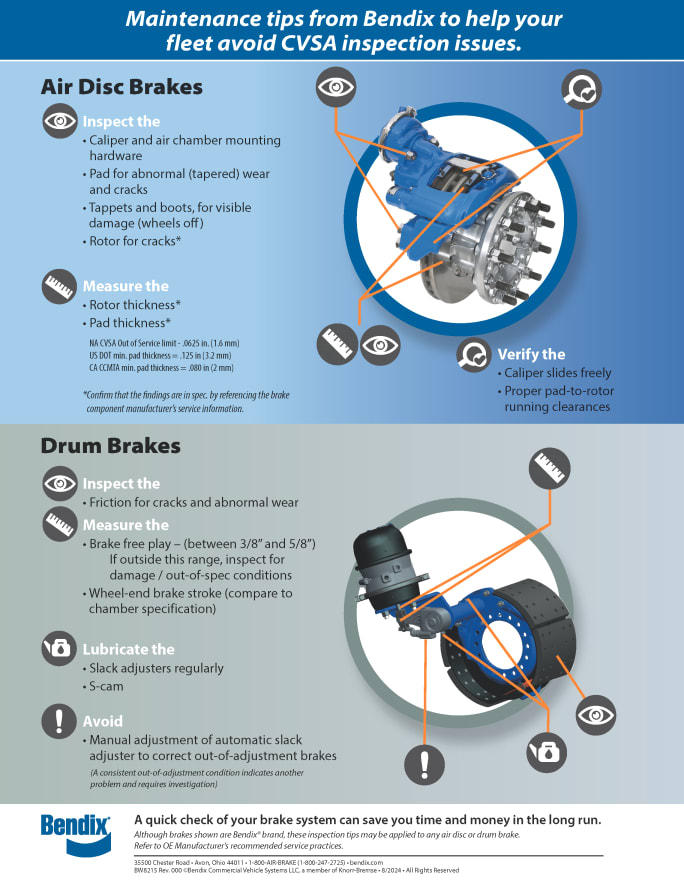
Brake Safety Week roadside inspectors conduct North American Standard Inspections, which cover a range of driver qualifications, documentation, and vehicle equipment conditions.
Graphic: Bendix
“Key among the differences is the measurement of brake stroke,” Screeton said. “Because air disc brakes include an internal adjustment mechanism, their brake stroke is not measured externally, as is the case with drum brakes. The internal adjustment mechanism significantly lowers the risk of out-of-adjustment violations.”
Measuring a drum brake’s chamber stroke is a matter of checking the distance from the air chamber to the clevis pin with the brakes released, and then again after a fully charged brake application. The difference between these is the brake stroke, and its maximum length depends upon the brake chamber type and size.
Improperly adjusted brakes can also drag – impacting fuel efficiency and speeding up pad wear – or experience decreased stopping power. Bendix has developed an infographic (included below and attached) to note the differing maintenance needs of air disc and drum brakes.
Select the Right Parts
If you notice it’s time for new brake friction, then make sure to keep things up to spec: Not all friction that is marketed as “acceptable” under current reduced stopping distance (RSD) regulations will actually perform to that standard. Whether you’re replacing air disc brake pads or drum brake shoes, select components that will ensure the original equipment manufacturer (OEM) requirements are met so that the vehicle remains compliant.
“The aftermarket is more crowded than ever, particularly when it comes to brake friction,” Thomas said. “The wrong choice can harm your system and undermine vehicle safety. Complications arising from improper friction selection can include cracks, degradation of braking performance, or damage to other wheel-end components. Remember, these are things that a roadside inspector will note and penalize you for.”
You’ll also want to protect the air supply against corrosive oil aerosols that lead to leaks and potential violations. Bendix recommends using an oil-coalescing air dryer cartridge like the Bendix PuraGuard.
Oil-coalescing cartridges can be used to replace standard cartridges, but the reverse is not the case: You shouldn’t downgrade from an oil-coalescing cartridge to a standard.
Tech Support
“Taken individually, everything inspectors are looking for – such as a kink in an air hose or an active full-stability light on the dash – may seem inconsequential,” Thomas said. “But any indication of something out of compliance can be a sign of potentially wider maintenance issues. It’s critical to take a holistic approach to upkeep when considering the complex interconnectivity of the entire brake system and more advanced safety technologies. One small sign of something out of compliance can be an indicator of more widespread maintenance issues.”
Thomas emphasized the importance of communication between drivers and technicians.
“A driver on the road may first notice an issue with the truck,” he said. “It’s critical that the driver be able to tell the technician what happened, where it happened, and details such as weather conditions. And it’s just as vital for the technician to ask questions to gain a clearer understanding of the situation.”
Keeping vehicles operating safely also depends on technicians remaining knowledgeable about ever-advancing commercial vehicle safety components and technologies. Fleets have a variety of options from Bendix when it comes to equipping technicians with the most current and in-depth training and information.
Bendix Resources
Bendix’s long-running Brake Training School is well known for its thorough in-person and hands-on sessions. Every year, the company schedules classes all across the country, including virtual options in different time zones. Here’s the 2024 schedule. Bendix also directly offers on-site maintenance demonstrations, detailed system explorations, and additional education that covers troubleshooting and system maintenance.
The free Bendix On-Line Brake School provides more than 100 maintenance courses and tests for sharpening technical skills 24/7/365. More than 150,000 users have registered at the site, where students can access a Bendix-developed curriculum covering the full spectrum of braking and active vehicle safety system product topics. Bendix can also create custom education plans for fleets and industry organizations.
The “Truck Talk with Bendix” podcast is available via Google Play, Apple Podcasts, and Stitcher. It’s also found on Bendix’s Knowledge Dock, which hosts regularly updated videos, white papers, and blog posts addressing maintenance and other critical topics.
At the Bendix Document Library on the B2Bendix.com hub, find service data sheets, operating manuals, technical bulletins, and a host of other documents offering detailed information – including maintenance and troubleshooting.
More Safety & Compliance
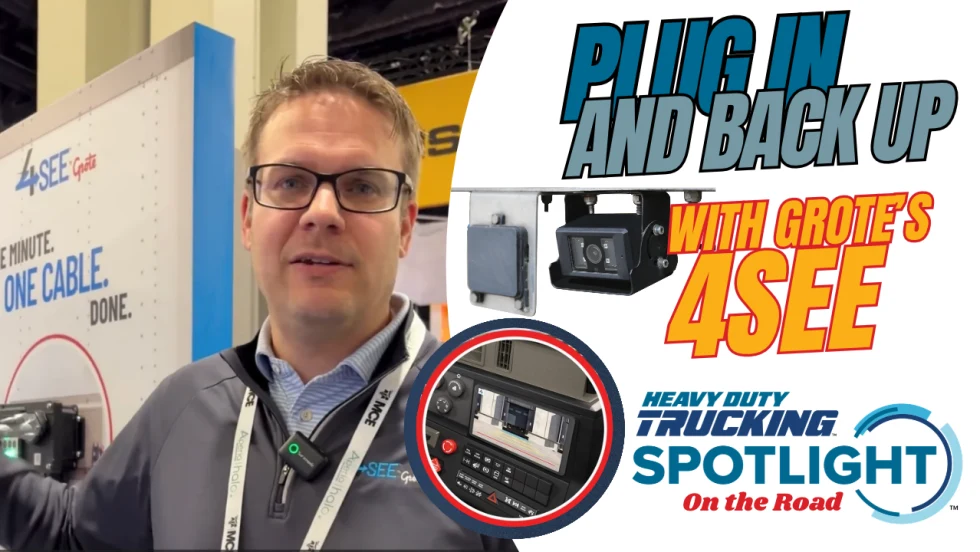
More Trailer Data Through the Same Seven-Way [Video]
Can trucking’s standard seven-way connector handle more cameras and trailer data? Grote’s Adam Slade shows HDT how the company is using new technology with its 4See trailer system, not only to add a new backup camera but also to expand other capabilities — without adding another connection.
Read More →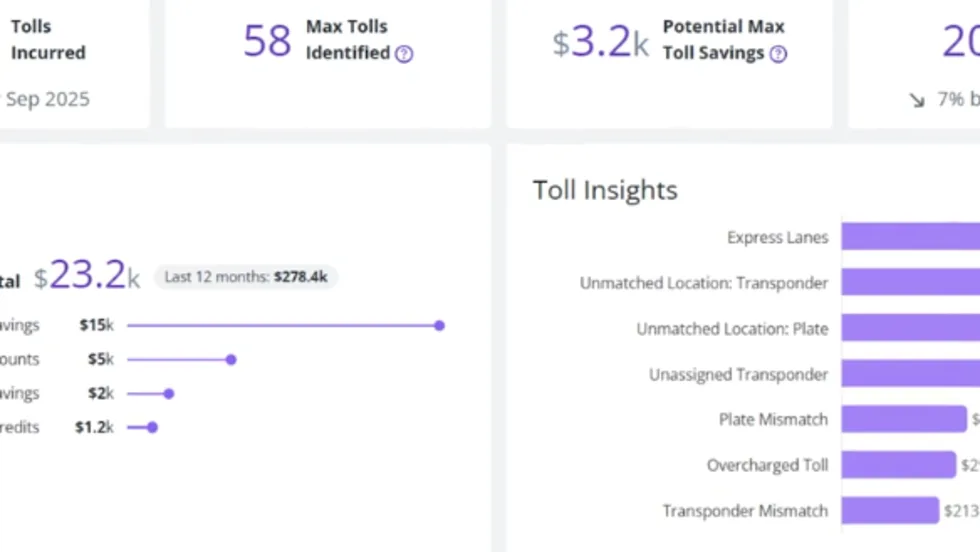
PrePass Intelligence Mines Fleet Bypass, Toll and Safety Data
PrePass Intelligence helps fleets measure bypass savings, flag potential toll overcharges, and spot suspicious transactions by combining data from separate systems.
Read More →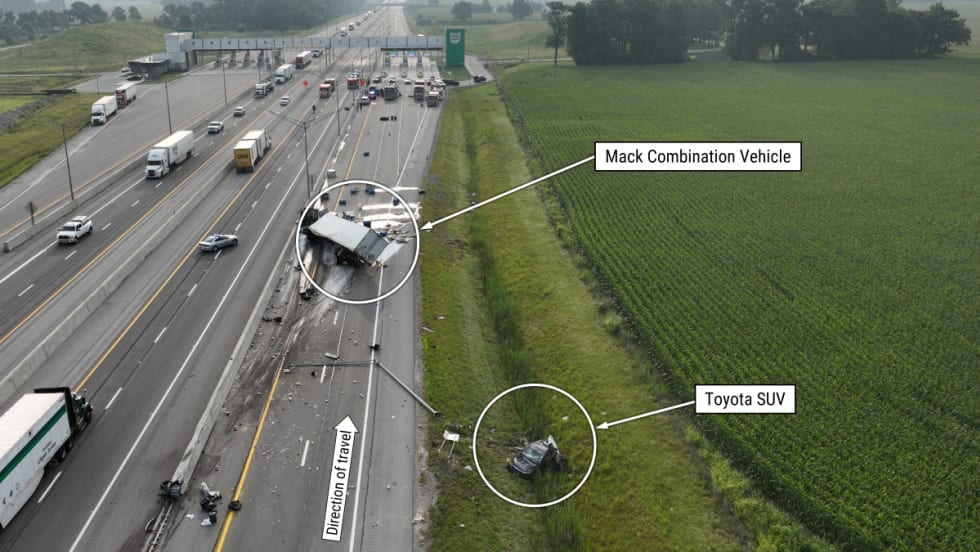
Fatal Crash Exposes Toll Plaza Risks
An NTSB investigation found that last-minute lane changes and large speed differences at an Ohio toll plaza created a hazard the truck driver couldn't avoid in time.
Read More →
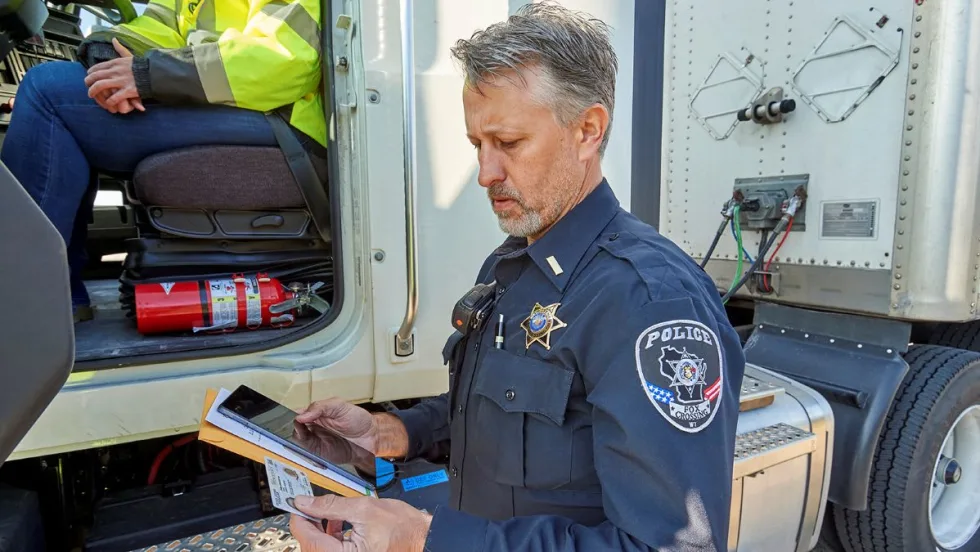
When Language Stops the Truck: The Return of ELP Out-of-Service Orders
English language proficiency rules for commercial drivers aren’t new, but renewed out-of-service enforcement has raised the stakes. Here’s what carriers need to know before a driver reaches a roadside inspection.
Read More →
Sponsored•October 6, 2026
A Camera Isn't a Safety Program. Here's What Brokers Are Screening for Now
Footage alone may not be enough to pass broker vetting processes. Here's what counts as a defensible safety program now.
Read More →
Marijuana and Trucking’s Drug-Testing Dilemma
Marijuana is getting stronger, laws are changing, and drug tests still can’t reliably establish impairment. What does that mean for truck drivers and the fleets that employ them?
Read More →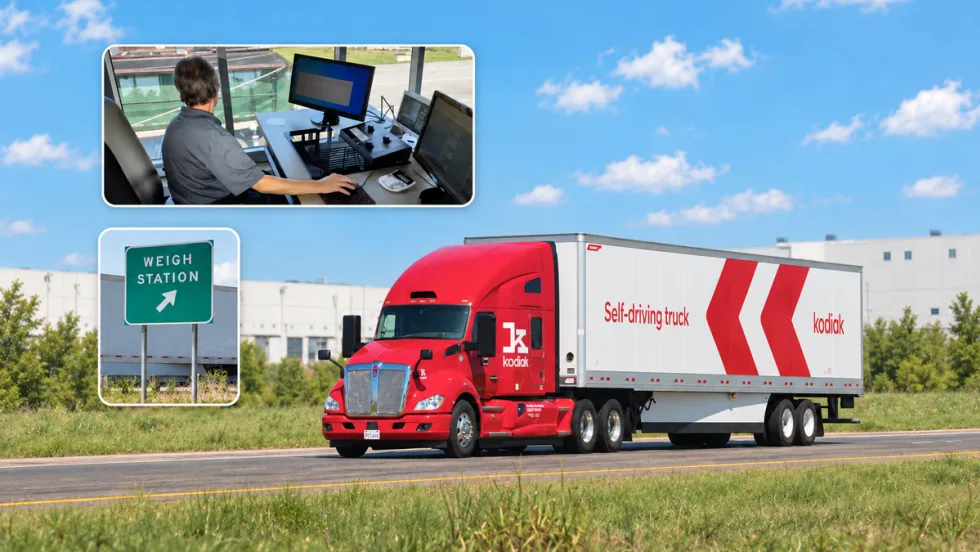
PrePass, Kodiak Connect Driverless Trucks to Roadside Enforcement
The system will allow enforcement agencies to verify Enhanced Inspection information and decide whether Kodiak’s autonomous trucks can bypass roadside screening sites.
Read More →
From One Generation to the Next: How Mentorship Builds Safer Truck Drivers
After three decades in trucking, Harold Perry shares what he's learned about driver safety, mentorship, and helping the next generation build confidence behind the wheel.
Read More →
FMCSA Pauses Biennial-Update Enforcement Amid Motus Transition
Carriers whose updates were due on or after June 1 have more time, while FMCSA works to stabilize its new registration system and warns of phishing sites impersonating its new carrier registration system, Motus.
Read More →
ZF Expands Commercial Vehicle Push in North America
ZF is expanding its North American commercial-vehicle presence with new transmission applications, electrification, trailer technology and autonomous-driving systems.
Read More →