




Q&A: Uptake’s Jim Rice on How Data-Driven Insights Improve PM Efficiency
Data gives technicians a more complete understanding of a maintenance issue. Jim Rice, president of Uptake, explains how a service that translates data into actionable insights that can help fleets stay ahead of potential equipment failures.

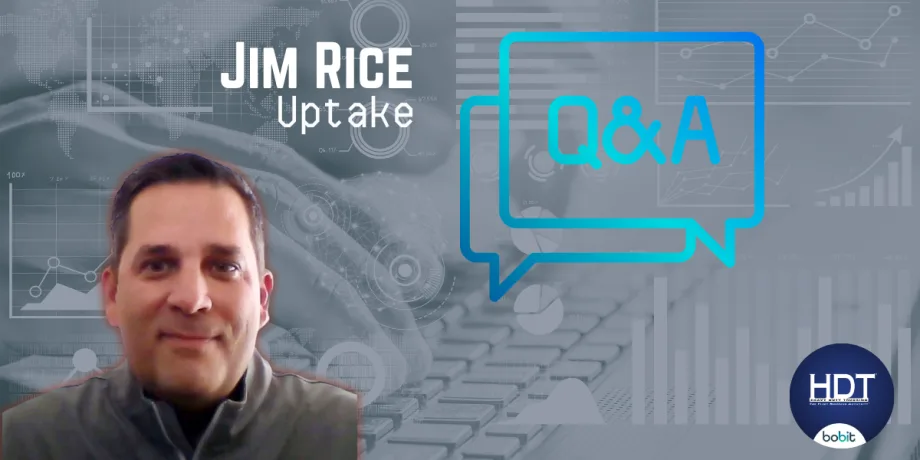
Jim Rice, president of Uptake, says that if used correctly, data can shift fleet maintenance practices from reactive to truly proactive and preventive.
Photo: Jim Park
Trucks are becoming increasingly complex, along with their maintenance requirements. Problems can arise troubleshooting fault codes if the code itself is all you have to go on. But when combined with data taken off the truck through various telematics services, a more complete picture emerges.
This enables maintenance managers to prioritize maintenance work so serious problems can be addressed before they sideline a truck, a load, and a driver.
HDT Equipment Editor Jim Park spoke with Jim Rice, president of Uptake, a service that translates data into actionable insights that can help fleets stay ahead of potential equipment failures.
Rice says fleets listening to what the data is telling them can schedule maintenance more efficiently and prevent come-backs by tackling the more pressing problems first, rather than just following a maintenance schedule. This Q&A features highlights from that interview.
HDT: Given the current economic malaise, do you see fleets continuing to have to stretch their maintenance and trade cycles out further than many would like to?
Rice: Yes, I do, and I don't see that being a short-term fix. Today's market isn't the same as it was four or five years ago when you could get new trucks in every few years. I think that trend is going to continue a little bit longer.
But I think what has been proven is that trucks can last. If you do it right, you don't have to flip them as soon as we've been historically made to believe. I think there's incentive for fleets to keep trucks on the road longer if they can get the same kind of output in years five, six or seven as they did in years one through four.
HDT: From what I understand, many fleets were caught off-guard when their normal trade cycles were disrupted by Covid and the related supply chain problems. Getting six or seven years out of a "four-year" truck has proven challenging. I think many have realized that to keep the trucks longer, you need to put a bit more into them than maybe you were comfortable with a couple years ago.
Rice: Historically, there have been two approaches to maintenance: scheduled maintenance where every 50,000 miles do XYZ and that's that. And then there's reactive maintenance, where you repair trucks as they break down. But there actually a middle ground that often gets overlooked.
When it's in for a PM, some fleets are only doing the checklist of things they were told to do. But when the truck comes back in two months as a result of some lingering issue, we should be asking if there was more we could have done with that PM that might have nipped the problem in the bud at that shop.
We know fault codes can clear themselves pretty quickly. You might hook up the scanner and find no fault today, but it had been fired in the last five days, you know, that could lead to a problem down the road.
It's really just trying to get our heads around that information, which people already have. The data is out there, but it's not consolidated in a great way today.
HDT: how does Uptake help fleets manage all this? What's your role?
Rice: Uptake acts as data consolidator. We'll use the data that's coming in from an OEM or telematics service provider, basically anybody that's hooked up into the engine. They're all gathering sensor and fault data directly off the ECM, and they're typically displaying fault codes into their application. People could do with it what they want, but there's a lot of data there.
There's information overload when it comes to pure fault codes, and even sensor information. We'll look at all the fault codes, all the sensor information, see if there's clustering of issues and faults that may not be the most important that day. But we're going to raise the hand and say, 'hey, these three faults fired together within 12 hours. That's an issue.' So, we're going to organize that and get people into the spot where they can do the right work on the right truck at the right time.
I mean, you might have trucks scheduled for maintenance, and you're gonna do it come heck or high water. Meanwhile, there's a truck out on the lot that's got 22 issues lingering that you're ready to send back out for another three months. We are trying to help them identify the trucks that need the most work based on the information that we're gathering.
HDT: Can what you're offering translate into what we commonly call predictive maintenance?
Rice: We look at predictive a few different ways. We categorize our insights. For example, we identify the ones that are really gonna be indicative of a larger problem, probably a breakdown.
These usually have something to do with the emissions systems and possible de-rates. I mean, we know drivers are going to push the truck right to the limit because they have a load to deliver, and that could impact the ability for the truck to continue operating.
We can bring a lot of that stuff to the surface and say, 'Hey, these ones are a little bit more important. Take care of them first.' And then there are the less severe problems that we can advise the fleet to look at sooner rather than later, but maybe not right away. Those two buckets really do help people put a plan together.
Historically, it's just been a long list of fault codes. You do with it what you want. We're trying to get a few steps ahead of those immanent problems, while opening opportunities to schedule the less severe problems.
HDT: Does this this new insight you offer fundamentally change how fleets approach the maintenance task?
Rice: The is aim to supplement or enhance their existing workflow, not start from scratch. You know, you have a truck coming in next week for some maintenance work, so here are three of the things to look for based on the sensor readings you're seeing.
It's about just looking for these few other things and deciding whether you want to work on it or not that day. Or whether you have to get that truck back out. But at least there's now more information available your fingertips to make a good decision on when to service that truck.
HDT: Can you use this to schedule your technicians time better? Does that help on the labor side?
Rice: I think it provides some clarity and some focus on what technicians do. And it solves the problem of supervisor getting frustrated with the techs if a truck comes back after a couple of weeks with a recurring problem. Technicians feel that pressure because somebody is pointing a finger at them. They may not have the tools or the insight to understand that this was a kind of a looming problem that they could have gotten ahead of.
HDT: Do you have any suggestions or pointers for fleets, or stuff that they should be thinking about or reacting to, or doing now?
Rice: Don't feel like you always have to bite off the entire apple. There are steps that can be made on a maintenance journey, and even on this technology journey. As an example, Uptake produces over 180 different insights all available from the trucks. We have folks that say, 'I'll focus on these 10. Put out these 10 fires. I know something's going on, and I'm gonna go work on those.
You can have maintenance campaigns as much as you do safety campaigns or things like that. But don't get overwhelmed. And don't try and do too much too soon. There are paths within these types of programs. And we hear fleets saying they don't know how to operationalize this. Well, let's operationalize these four things and just insert them into your workflow today.
More Maintenance
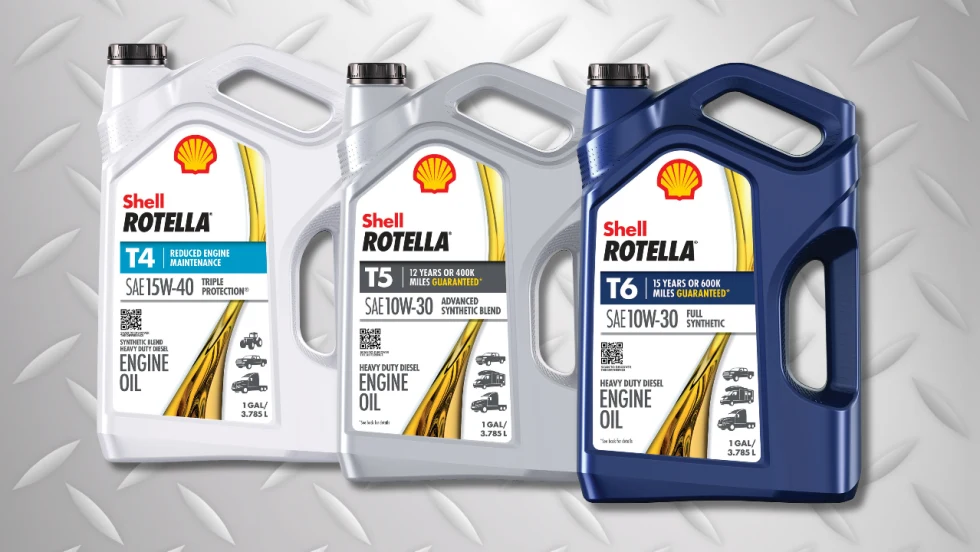
Shell Prepares Rotella Oils for 2027
New CL-4 and FB-4 formulations will begin arriving in early 2027, with improved protection against oil breakdown, wear and deposits, according to Shell.
Read More →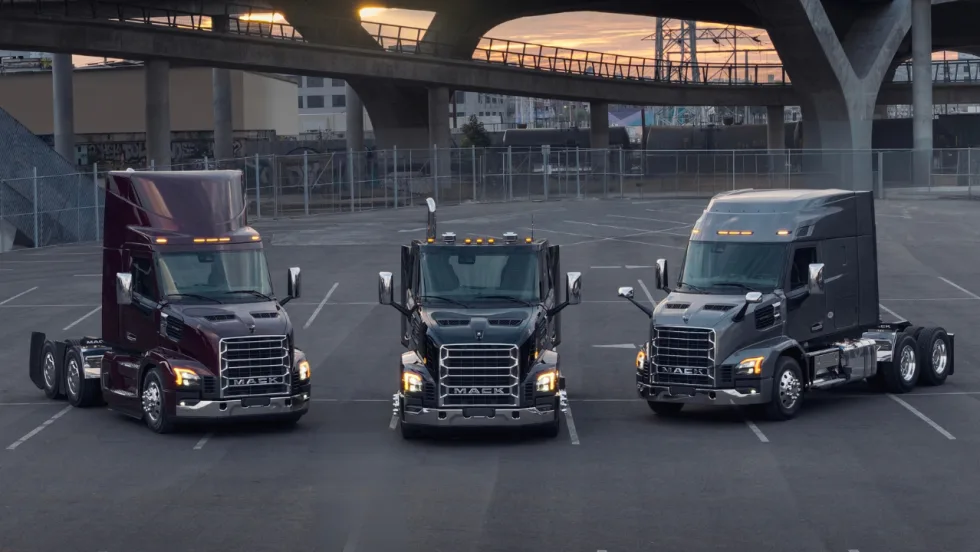
Mack Expands Extended Coverage With Four Chassis System Plans
Mack Trucks' new system-specific coverage options allow heavy-duty fleets to select protection for driveline, cab, HVAC, electronics, and advanced safety components.
Read More →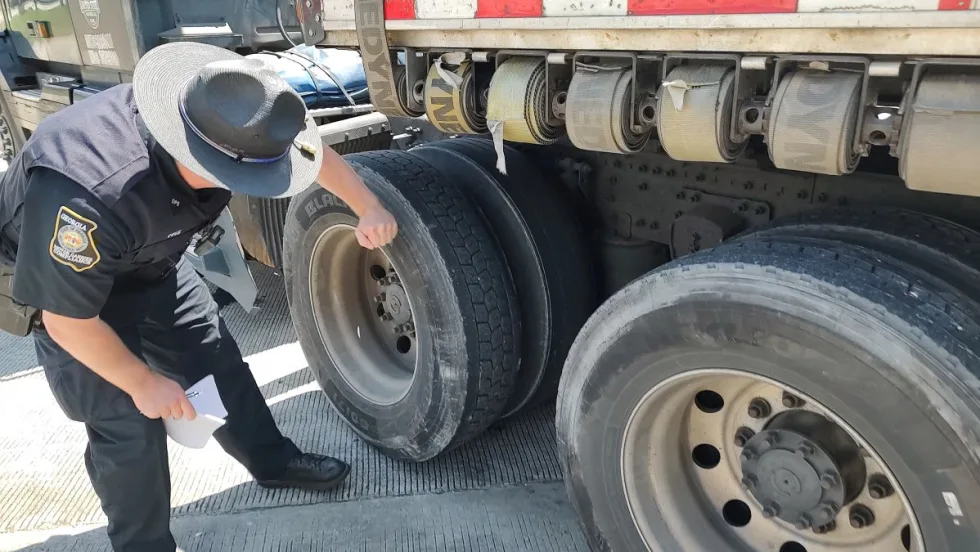
What an Out-of-Service Order Really Costs, and How to Plan for One
The repair invoice is the first number you see — and often one of the smallest. Here’s what else an out-of-service order can cost a fleet, and how planning can reduce the damage.
Read More →
International Launches Online Truck Parts Store
Fleetrite.com lets fleets and repair shops find OEM and all-makes parts, check prices and availability, and order without calling a parts counter.
Read More →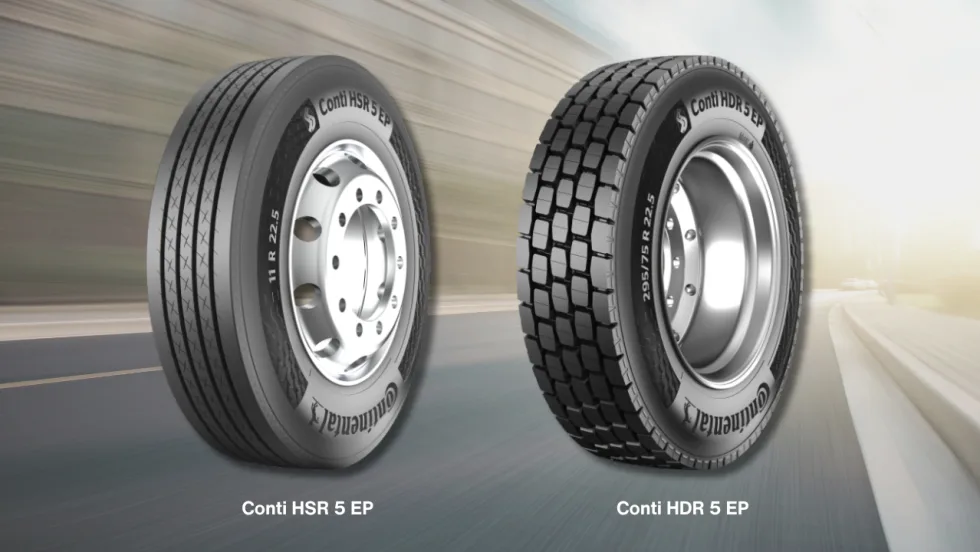
Continental Introduces New Regional Truck Tires
Continental says its new Generation 5 steer and drive tires for regional operations offer longer tread life, with estimated mileage gains of 22% and 19%, respectively.
Read More →
How AI Can Help Your Techs’ Efficiency
The technician shortage isn't going away, and no single fix can close the gap on its own. Trent Broberg makes the case that AI's real job in the shop is protecting the billable hours and job satisfaction of the techs you already have, not asking them to work faster.
Read More →
Wrong Repair Prompts Recall of Freightliner, Western Star 4x2 Trucks
DTNA is recalling more than 2,400 trucks that received an incompatible software fix instead of the hardware repair required to address brake valve corrosion.
Read More →
Truck Drivers Need More Than Another Alert
Fleets have more visibility into truck health, safety events, and driver activity than ever. The next challenge is turning all that information into useful guidance for the person who has to decide what to do next.
Read More →
The Maintenance Checks Trucking Fleets Should Prioritize Before Fall Freight Picks Up
Making it through August isn’t the same as being ready for the next several months of operation. Find out what systems may have suffered from summer heat and need to be checked out before fall.
Read More →
What Three Fleets Are Doing Differently When Buying Truck Parts in 2026
With freight improving but costs still climbing, fleet maintenance executives explain how they're balancing price, quality, and supplier relationships.
Read More →