




Digital Freight Startup Convoy Hits Roadblock
“We were running up the down escalator…. and it kept speeding up," said Convoy co-founder Dan Lewis in an internal memo letting employees know the digital freight-matching startup was closing the doors on its core business.

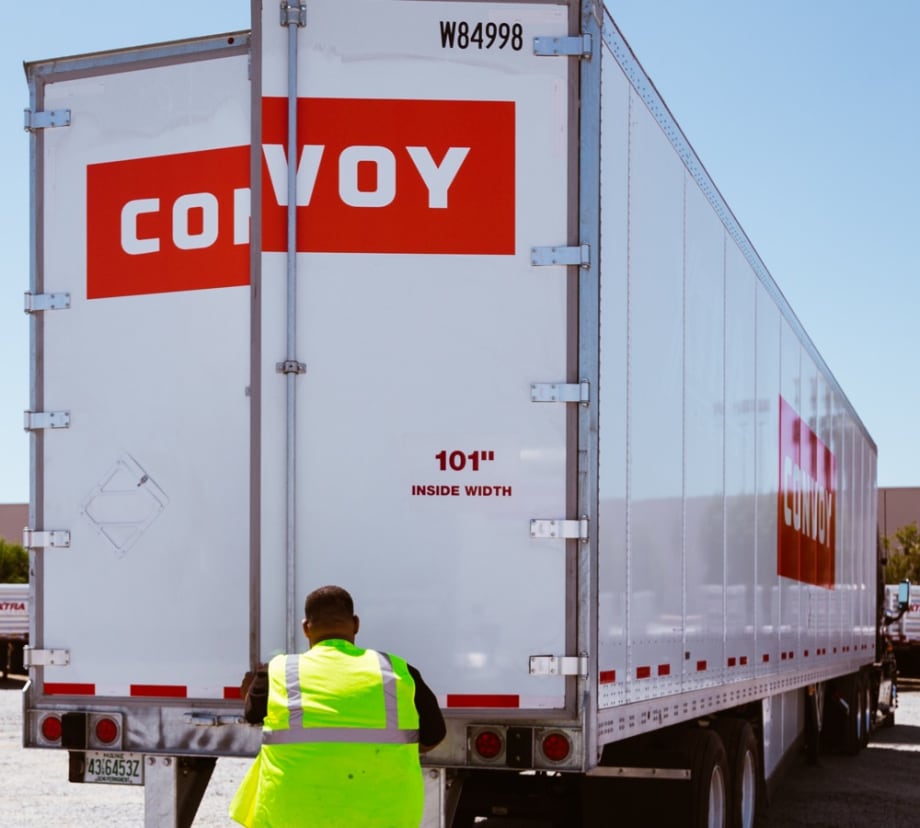
Convoy added services such as a trailer pool for power-only fleets and a power-only service for private fleets.
Photo: Convoy (2021)
Convoy, one of the early “Uber for Freight” tech brokerage startups, looks to be a casualty of the freight recession and the investor funding drought.
The company this week let most of its employees go, saying it is closing the doors on its core digital freight network business operations “and exploring and evaluating strategic options for what might come next.”
The Seattle-based startup officially launched in 2015 as an “on-demand trucking” company after raising $2.5 million in seed funding from an investment group that included Amazon founder Jeff Bezos and other high-profile investors. Its goal was to disrupt the trucking industry and drive out waste.
Last year, Convoy raised $260 million in a funding round that valued the business at $3.8 billion. Its customers have included major shippers such as Home Depot, Procter & Gamble, Unilever, and Anheuser-Busch.
But the high-flying spot market we saw driven by the supply chain challenges of pandemic has taken a nosedive over the past year or so, and Convoy has gone through several rounds of layoffs over the past 18 months, according to published reports. At the same time, investors have lost much of their taste for startups.
In a memo to employees shared in published news reports, CEO and Co-Founder Dan Lewis explained, “In short, we are in the middle of a massive freight recession and a contraction in the capital markets. This combination ultimately crushed our progress at the same time that it was crushing our logical strategic acquirer — it was the perfect storm….
“We were running up the down escalator…. and it kept speeding up.”
Lewis said company officials had spent more than four months “exhausting all viable strategic options for the business.”
Not all investment in the digital-freight arena has dried up, however. Transfix announced on Oct. 19 that it had closed a new $40 million funding round led by New Enterprise Associates and G Squared, with participation from Canvas, saying it "represents the continued conviction of large institutional investors in the company's business, in an otherwise difficult market."
Convoy’s Origins
Convoy provided an Uber-like service for booking on-demand shipments that also allowed users to track shipment location. Carriers were all pre-approved by Convoy and would complete jobs using Convoy’s mobile app, which also doubled as a tool for managing and growing their fleets.
As then chief product officer Ziad Ismail told HDT in a 2017 interview, co-founder Dan Lewis “had some experience in trucking, so while he was working at Amazon, he was looking at what is the next big market that is going to be changed dramatically by technology.
“And the more time we spent looking at trucking, the more we realized it was ripe for disruption,” Ismail said. “We defined the mission for the company as using … technology to drive the industry to reduce waste.”
Since then, however, many more companies offering digital freight matching or digital load matching have entered the industry. We’ve also seen longtime traditional freight brokers transform their businesses with algorithms and AI.
In May 2022, Transparency Market Research projected the digital freight brokerage market to reach $26 billion by 2030, explaining that Increasing capital investments from venture capitalists were leading to the entry of small-to-large players in the digital freight brokerage market.
Updated 10/23/23 to add information about Transfix
More Fleet Management
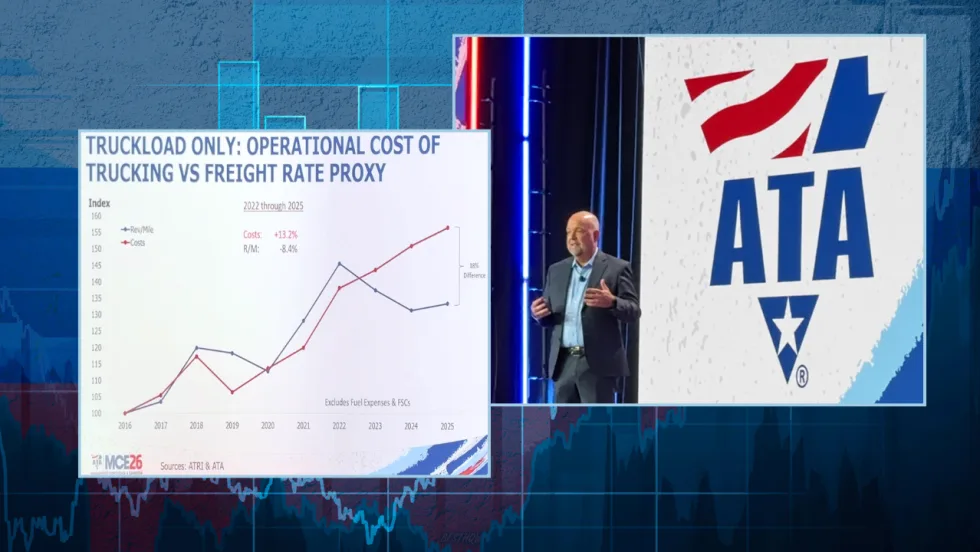
Why This Trucking Recovery Is Different
Freight demand remains sluggish, but rising costs and tougher enforcement have taken enough capacity out of the market to change the outlook for motor carriers.
Read More →
Platform Science Adds Dispatch and Safety Tools
Four additions to PS Fleet help fleets monitor loads, manage driver coaching, share truck locations and adjust video system settings.
Read More →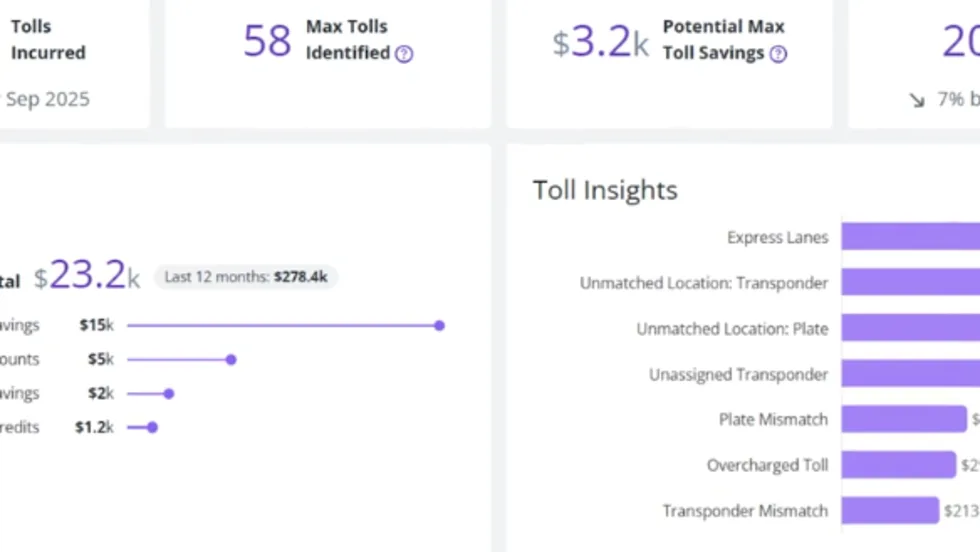
PrePass Intelligence Mines Fleet Bypass, Toll and Safety Data
PrePass Intelligence helps fleets measure bypass savings, flag potential toll overcharges, and spot suspicious transactions by combining data from separate systems.
Read More →
Motive Adds AI Agents for Fleet Operations
New tools automate follow-up on fleet data, from maintenance work orders to driver alerts, with two-way voice conversations planned for later this year.
Read More →
Can You Beat Our Trucking Trivia Challenge?
Test your truck knowledge with 19 trivia questions from Heavy Duty Trucking Exchange. Can you keep up with the fleet pros?
Read More →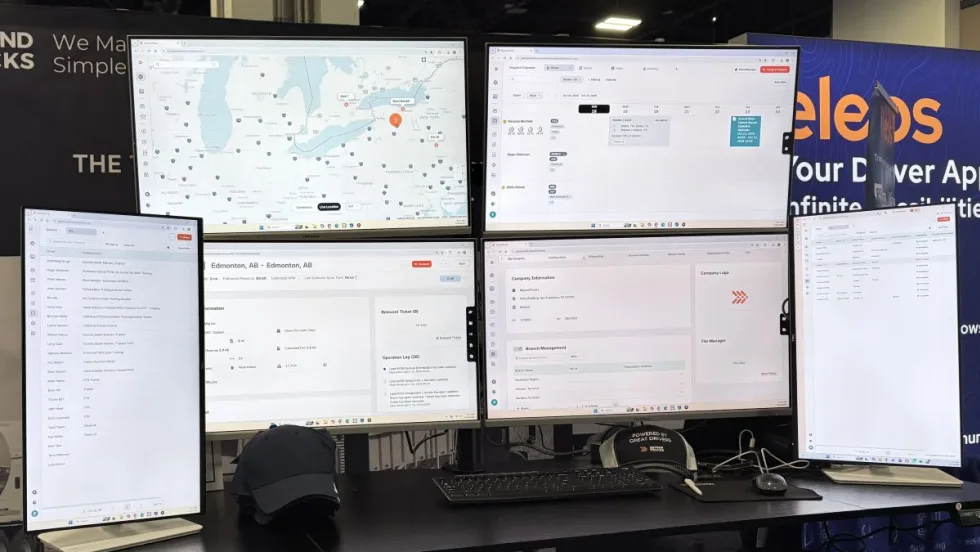
BeyondTrucks Adds Rules Checks to Dispatch
New Compatibility Engine checks driver qualifications, equipment requirements and fleet policies before loads are dispatched.
Read More →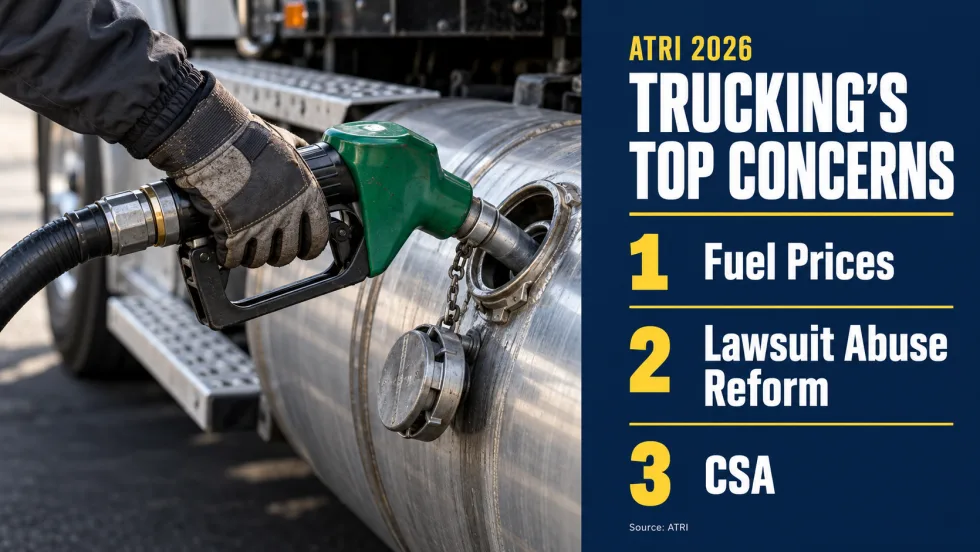
Diesel Prices Hijack Trucking’s Worry List
ATRI’s annual survey finds cautious optimism about freight, but diesel costs, litigation, and insurance continue to squeeze fleets. Drivers have different priorities on several issues.
Read More →
Nomination Deadline Extended for HDT Emerging Leaders
Just a few more days to nominate accomplished trucking fleet professionals under 40 who are making an impact and helping lead the industry forward for the HDT Emerging Leaders award. Deadline extended to October 20!
Read More →
What Will ATA’s New Leader Bring to Trucking's Table?
Incoming President and CEO Mark Colson’s record in Alabama offers clues about his priorities and approach following Chris Spear’s abrupt departure as the head of the American Trucking Associations.
Read More →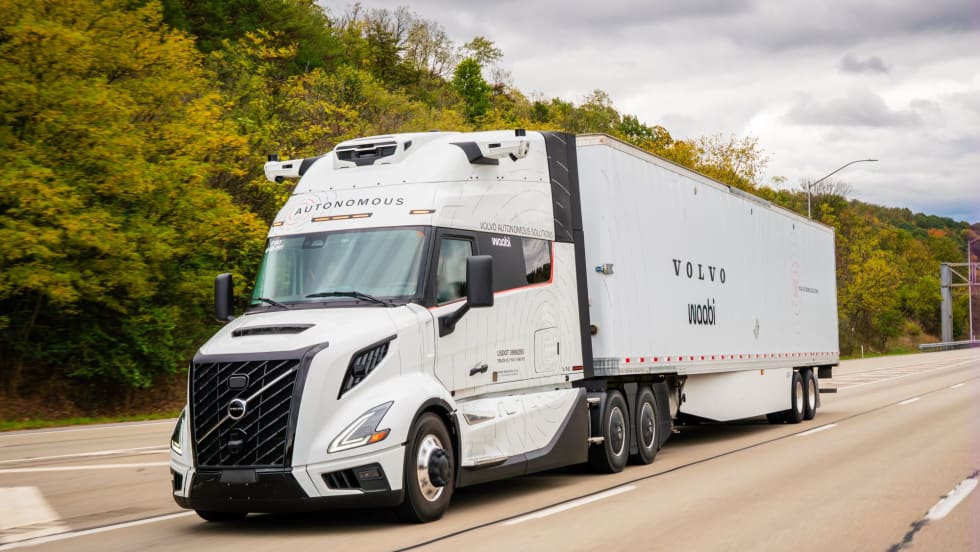
Volvo, Waabi Start Commercial Autonomous Operations in Texas
Volvo VNL Autonomous trucks, powered by the Waabi Driver, are hauling freight directly to third-party facilities for a customer in Texas.
Read More →