




NY Launches $12 Million EV and Electric Grid Integration Initiative
New York announced a $12 million initiative to support the development and demonstration of innovative solutions to advance electric vehicle adoption, including medium- and heavy-duty trucks, and the integration of electric vehicles with the electric grid.

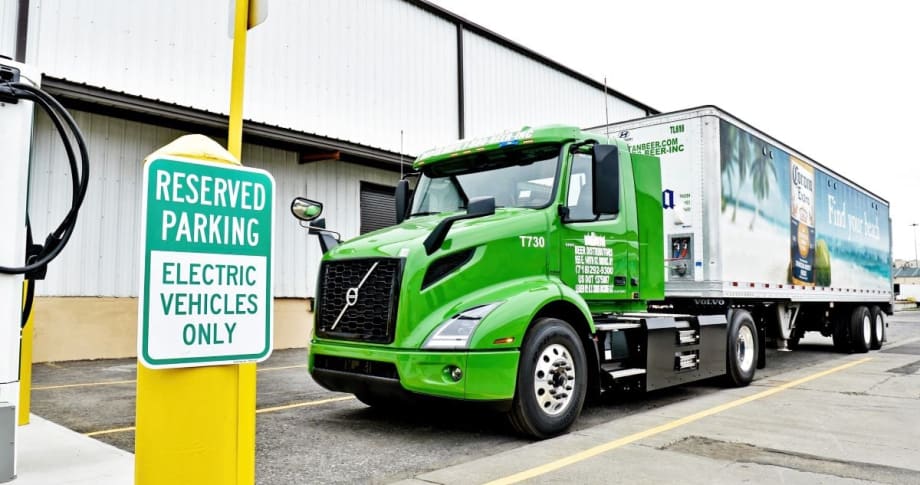
New York has launched a $12 million initiative that could help fleets convert to battery-electric trucks, such as this Volvo VNR Electric operated by Manhattan Beer Distributors.
Photo: Volvo
New York has announced a $12 million initiative to support the development and demonstration of innovative, replicable solutions that advance electric vehicle adoption and the integration of electric vehicles with the electric grid. The initiative also seeks to support demonstrations of medium- and heavy-duty electric and hydrogen fuel cell technologies.
In addition to supporting the state’s transition to zero-emission vehicles by 2035, the announcement advances the Climate Leadership and Community Protection Act requirements to achieve a zero-emission electricity sector by 2040 and reduce emissions by 85% by 2050.
“As New York continues to advance toward a zero-emission future, it’s imperative that we continue to improve the affordability of clean transportation ownership as we scale up a resilient and reliable energy grid,” said Gov. Kathy Hochul. “This $12 million initiative offers an innovative way to do both — exploring and supporting options for vehicle charging infrastructure that also provides energy back to the grid.”
Through this competitive program, administered by the New York State Energy Research and Development Authority (NYSERDA), the state seeks to:
Advance well-managed electric vehicle charging infrastructure and reduced grid integration costs
Improve the economics of EV ownership for residential consumers and commercial fleet managers
Spur research and innovation that supports widespread deployment of EVs as a beneficial asset to both EV owners and grid operators including combining EVs with bi-directional charging, energy storage, and on-site energy generation; and
Demonstrate medium- and heavy-duty vehicle electrification, either through fuel-cell electric vehicles or battery-operated EVs.
“Integrating electric vehicles with the grid gives new meaning to the saying, ‘it’s a two-way street’ with energy flowing in both directions and vehicles increasingly becoming an asset to the grid,” said Doreen Harris, NYSERDA president and CEO. “Through this initiative, we are driving the development of technology solutions and research that will advance a cleaner grid and cleaner air, while improving the economics of electrifying the transportation sector."
Grant Funding
Awards of up to $3 million each will be granted for product development and demonstrations of technologies and business models that help reduce energy demand peaks and provide grid benefits through managed charging/discharging that will lower the overall cost of necessary electric grid infrastructure upgrades.
NYSERDA said that by completing successful demonstrations of electric and fuel cell vehicles in hard-to-electrify use cases, such as heavy on-road vehicles and construction equipment, this initiative is expected to enhance utilization of existing grid infrastructure while contributing to environmental and energy equity and broader deployment of zero-emission vehicles throughout New York State.
"Electrifying medium-heavy duty vehicles can provide enormous environmental and community benefits, but lengthy interconnection delays are already slowing this transition,” said Dakoury Godo-Solo, project manager, electric vehicle charging systems at Environmental Defense Fund.
“This funding, together with efforts ongoing at the Public Service Commission, has tremendous potential to support the deployment of innovative charging solutions and business models to minimize grid impacts, speeding interconnections and lowering costs to the benefit of electric vehicle owners and ratepayers alike.”
Concept Submissions
Concept papers for consideration for full proposal submission under this new initiative will be accepted through 3 p.m. on Sept. 12. For those selected to move forward, the deadline for full proposal submission is Nov. 8.
A second round of funding may be issued in early 2024 if all funds are not awarded in the first round. Anyone wanting to learn more about the process can register for the Aug. 15 informational webinar.
For additional information and associated documents, visit NYSERDA’s website.
Medium and HD Vehicle Focus
In April, Hochul announced that the New York State Public Service Commission initiated a proceeding to implement policies and develop programs related to medium- and heavy-duty electric vehicle charging infrastructure and planning including proactive investment in the utility infrastructure required to serve transportation electrification.
According to that announcement, “the initiative will prioritize medium- and heavy-duty charging infrastructure investments in disadvantaged communities.”
The adoption of the Advanced Clean Trucks regulation in December 2021 also supports an increase in the number of medium- and heavy-duty ZEV models available as purchase options for vehicle purchasers and fleets, NYSERDA said in a press release.
Grid Modernizing
NYSERDA’s Grid Modernization Program is providing a total of $133 million through 2026 to further research, develop, and provide funding for innovative solutions that support the advancement of a smart, modernized electric grid, remove barriers, and enable the utility investments necessary for full deployment at scale of advanced technologies for the power grid.
Since 2016, the program has awarded approximately $65 million under 111 contracts to grid technology companies and research organizations for projects including low-cost, high-accuracy grid sensors, modeling and simulation tools, and advanced engineering solutions for more effective integration of renewable energy resources.
Funding for this initiative is through the state’s 10-year, $6 billion Clean Energy Fund. More information about this funding is available on NYSERDA’s website.
More Fuel Smarts

How Fuel Delivery Shapes Engine Performance
Fuel delivery depends on more than what happens at the injector. For fleet, maintenance and technical professionals, looking at the full path from pump to injector can provide useful context for understanding engine performance.
Read More →
East Coast Port Launches $45M Electric Truck Push
The Port Authority of New York and New Jersey announced millions in incentives for zero-emission drayage trucks, yard tractors, and new charging hubs near the port.
Read More →
California Bill Could Shed Light on Electric Truck Prices
Why do battery-electric Class 8 trucks remain so expensive? A California bill headed to Gov. Gavin Newsom would give fleets and state agencies more visibility into what manufacturers charge.
Read More →

Detroit Opens Orders for EPA 2027 Engines
Detroit isn’t starting from scratch to meet EPA 2027 diesel emissions standards. Its Gen 6 DD13 and DD15 engines keep much of today’s platform while updating the fuel and aftertreatment systems.
Read More →
Zero-Emission Truck Corridor Planned for West Coast
California, Oregon, Washington, British Columbia and Baja California are coordinating plans for truck charging and hydrogen fueling from Canada to Mexico.
Read More →
A Closer Look at Kenworth’s Electric T880E Vocational Truck [Video]
Learn more about Kenworth's T880E battery-electric vocational truck at the Paccar Technical Center, including its range, applications, upfitting considerations, and PTO options, in this HDT Spotlight video.
Read More →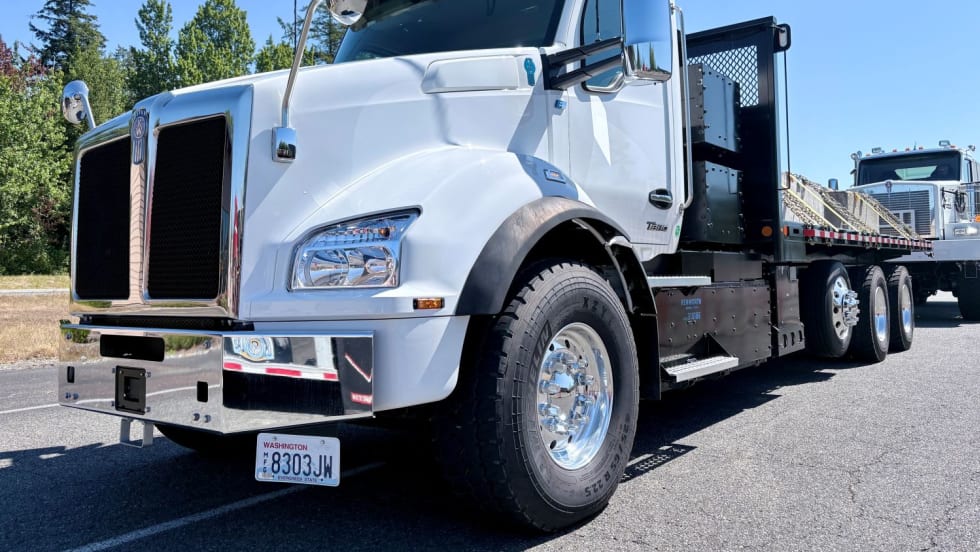
Kenworth T880E Brings EV Power to Vocational Trucks
A closer look at the Kenworth T880E’s range, charging, powertrain and upfit options — and where fleets are showing the most interest.
Read More →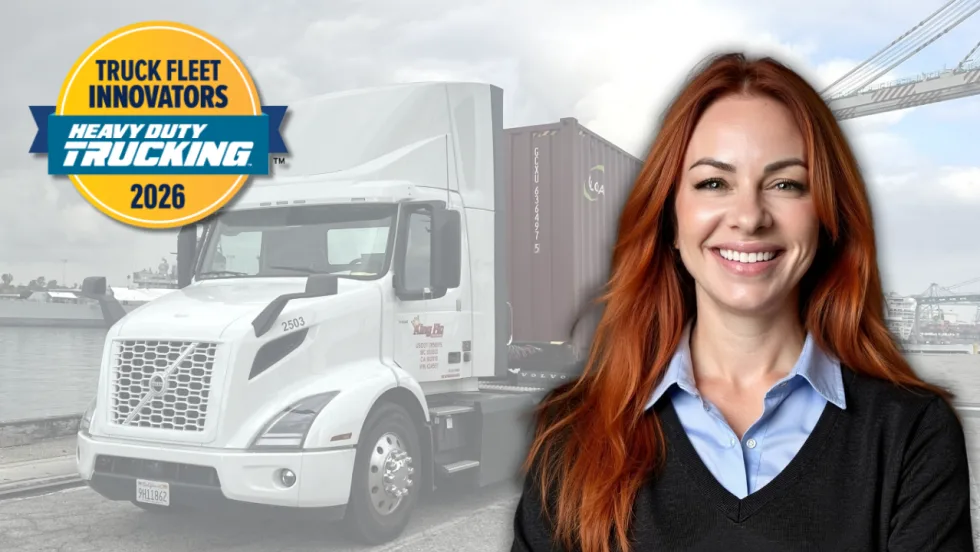
Jennie Abarca Is Proving Electric Trucks Can Do the Job
HDT Truck Fleet Innovator Jennie Abarca is building confidence in fleet electrification one load at a time while openly sharing the challenges she encounters along the way as a small-fleet owner.
Read More →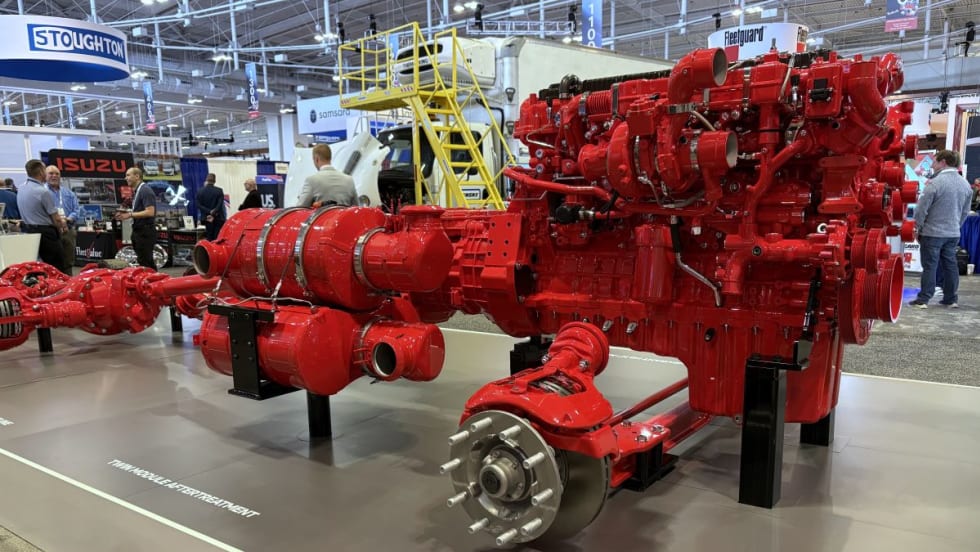
Cummins Adjusts 2027 Engine Rollout After EPA Proposal
The engine maker will gradually introduce its new Model Year 2027 diesel engines while continuing to offer current models during the transition, citing the EPA's proposed emissions rule changes.
Read More →
EPA Proposal Could Ease 2027 Truck Costs and Buying Uncertainty
The proposal doesn't change the tougher NOx standard, but it would revise key implementation requirements that manufacturers say have driven up costs and complicated fleet purchasing decisions.
Read More →