





Dig Deeper: Should Truck Trailers Have Side Underride Guards?
DOT to Seek Comment on Side Underride Guards for Trailers
The first step in creating a federal rule requiring side underride guards for trailers is under review at the White House.
January 31, 2023
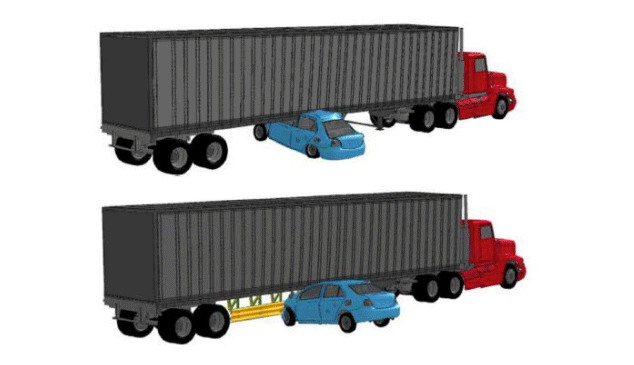
Previous NHTSA research used computer modeling to evaluate side underride guard technologies.
Source: NHTSA
2 min to read
The federal government is one step closer to a rule requiring side underride guards on trailers to mitigate underride crashes into the sides.
The National Highway Traffic Safety Administration recently sent an advance notice of proposed rulemaking (ANPRM) on side underride guards to the White House Office of Management and Budget. OMB must approve it before it’s published in the Federal Register. An ANPRM, or "pre-rule," is a notice primarily intended to request information and data before developing a proposed rule.
This rulemaking would respond, in part, to a Sept. 12, 2013, petition for rulemaking from Ms. Karth and the Truck Safety Coalition to start studies and rulemakings on side guards and front override guards on trucks. It's also a response to a provision in the Bipartisan Infrastructure Law.
Last summer, NHTSA issued a final rule for rear underride protection and said it was implementing a number of other underride provisions of the Bipartisan Infrastructure Law, including:
Establishing a Federal advisory committee on underride protection, which will complete research on side underride guards for trailers and semi-trailers to assess their effectiveness, feasibility, benefits, costs, and impact on intermodal operations.
Planning to publish an advance notice of proposed rulemaking to consider requirements for side underride guards for crashes into the sides of trailers and semi-trailers. This rulemaking also responds to a provision in the Bipartisan Infrastructure Law to report the findings of research on side underride guards in a Federal Register notice to seek public comment.
Bills that would require side underride guards have been introduced in at least the last three congressional sessions, in 2017, 2019, and 2021, but did not make it into law.
In 2017, the Insurance Institute for Highway Safety demonstrated the potential benefit of placing side underride guards on trailers, comparing crash data on trailers with and without side underride guards in collisions with passenger sedans at 35 mph. It found that passengers were more likely to sustain fatal injuries when hitting a trailer without the guard. One test evaluated the AngelWing side underride protection device from Airflow Deflector, while a second test was on a trailer with only a fiberglass side skirt.
More Safety & Compliance

Truck Drivers Need More Than Another Alert
Fleets have more visibility into truck health, safety events, and driver activity than ever. The next challenge is turning all that information into useful guidance for the person who has to decide what to do next.
Read More →
Tesla Wants a Self-Driving Semi. Are Cameras Enough?
Could Tesla’s camera-only autonomous driving technology work on an 80,000-pound Semi? In this commentary, HDT's Deborah Lockridge takes a look at Tesla, Cybercab, and how autonomous trucks see the road.
Read More →
What DOT’s Automated Vehicle Strategy Means for Trucking
The U.S. Department of Transportation issued a new automated-vehicle strategy that outlines plans for driverless-truck regulations, cross-state freight corridors, and federal safety standards.
Read More →
NYC Expands Speed, Pedestrian Safety Tech Across Fleet
New York City is expanding intelligent speed assistance and pedestrian-alert systems across its municipal fleet, moving the technologies from pilot programs into vehicle procurement and retrofit requirements.
Read More →
FMCSA Removes 110 Truck Driver Training Schools from Certified ELDT List
Federal regulators also are targeting more than 160 additional training providers and launching a nationwide audit of third-party CDL skills testers as part of a broader crackdown on trucking fraud.
Read More →
Beyond DOT Compliance: What Makes a Trucking Fleet Truly Safe?
A trucking fleet can follow every rule and still make unsafe decisions. The real test comes when safety conflicts with freight, productivity, or cost.
Read More →
Hours of Service Pilot Programs: FMCSA Readies for 2027 Rollout
Two pilot programs could eventually reshape hours-of-service rules, giving truck drivers options to pause their 14-hour clock or use longer split sleeper rest periods.
Read More →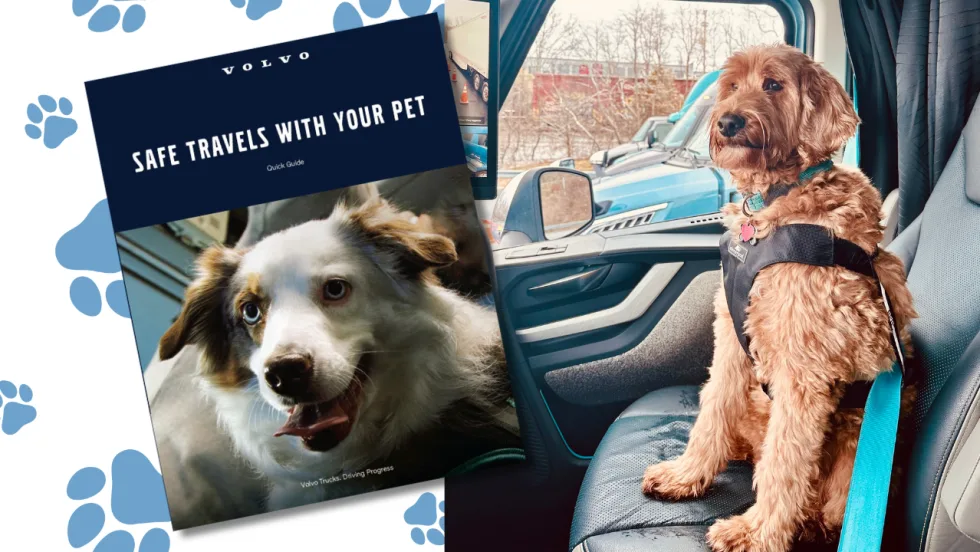
New Guide Offers Pet Safety Tips for Truck Drivers
Hundreds of thousands of pets travel in truck cabs. A new safety guide from Volvo Trucks and the Center for Pet Safety offers practical advice for truck drivers who bring dogs and cats along for the ride.
Read More →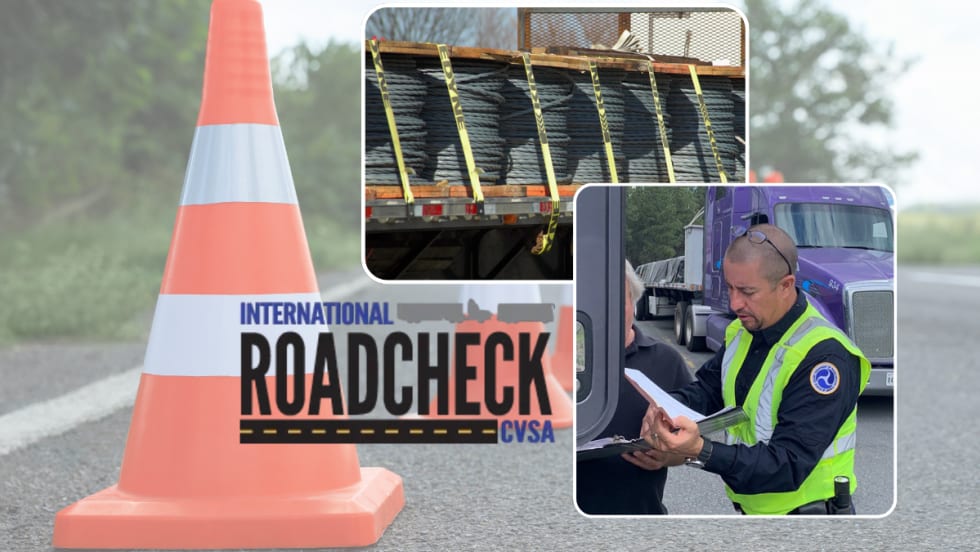
Medical Cards, English Proficiency Reshape Roadcheck Violations
Medical-card violations jumped to the top of the driver out-of-service list during CVSA’s 2026 International Roadcheck, while English-language proficiency violations appeared among the leading violations for the first time.
Read More →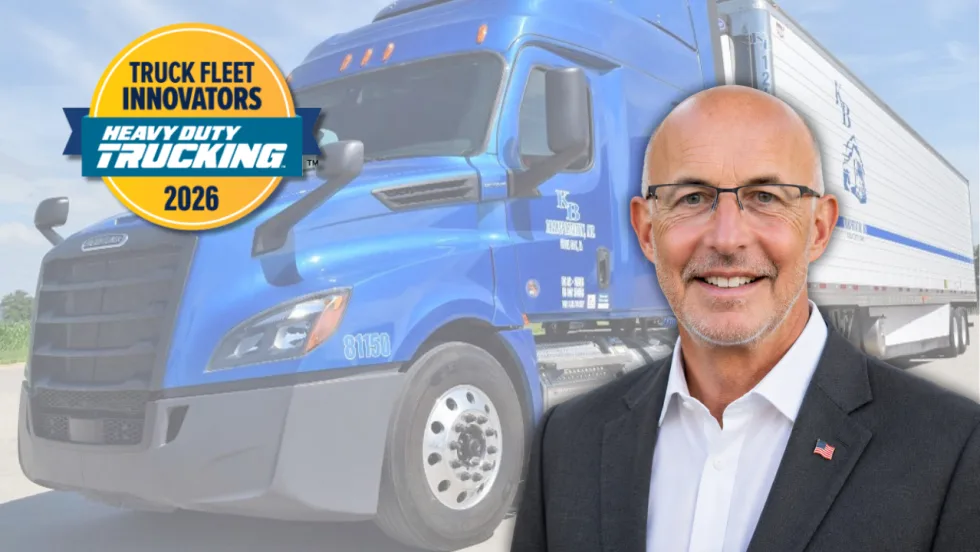
How Lance Evans Turns Enforcement Experience Into Better Fleet Safety
HDT Truck Fleet Innovator Lance Evans brings lessons from law enforcement to K&B Transportation’s approach to safety technology, data, driver coaching, and compliance.
Read More →