





Going Electric: Challenges of Charging Commercial Trucks
Megawatt EV Charging System Tested at Electric Island
A dozen medium- and heavy-duty vehicles came together for testing of a megawatt charging system at Daimler Truck North America’s Electric Island.
October 6, 2022
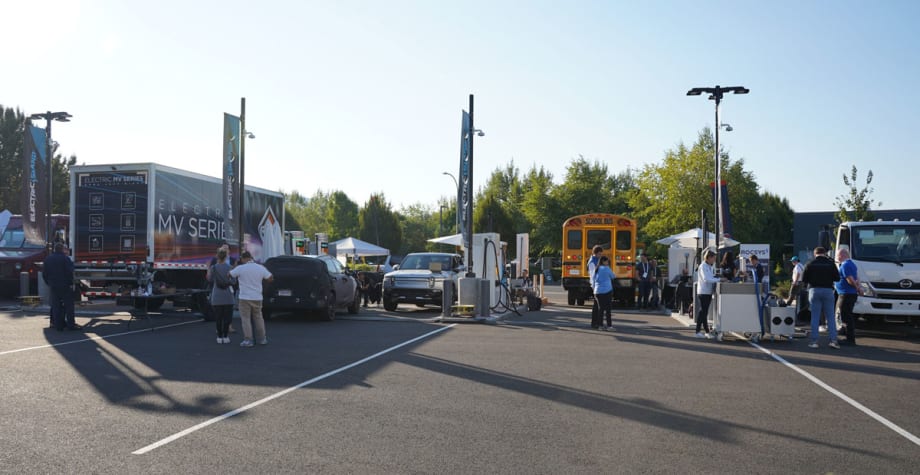
Nearly 60 CharIN member companies conducted conformance and interoperability tests at the Electric Island charging facility in Portland.
Photo: CharIN
2 min to read

The Testival at Daimler Truck North America's headquarters was the first time that the medium- and heavy-duty vehicle industry was the focus of a CharIN testing event.
Photo: CharIN
A dozen medium- and heavy-duty vehicles came together for testing of a megawatt charging system at Daimler Truck North America’s Electric Island in Portland, Oregon.
The Charging Interface Initiative (CharIN), a global industry association pushing electrification of transportation, recently hosted a North American Conference and Interoperability Testing Event of the new Megawatt Charging System standard to North America.
It was the first time that the medium- and heavy-duty vehicle industry was the focus of a CharIN testing event.
Global automotive manufacturers, charging station companies, component suppliers, energy providers, government officials, research institutes, influencers, and grid operators gathered at DTNA’s headquarters in Portland, Oregon, Oct. 4-7 for the Sixth CharIN North America Conference and Testival event.

The North American Megawatt Charging System Launch was held in the lobby of DTNA's headquarters.
Photo: CharIN
During the event, more than 300 representatives from 58 CharIN member companies conducted conformance and interoperability tests at the Electric Island charging facility in Portland.
Electric Island was created in a collaboration between DTNA and Portland General Electric and specifically built with heavy-duty vehicles in mind. It provided an ideal location to host interoperability tests that involved the latest electric vehicles, electric vehicle supply equipment, electric control units, and communication controllers.
Earlier this year, four years after kicking off a task force on heavy-duty charging for commercial vehicles, CharIN E.V. demonstrated the Megawatt Charging System at the International Electric Vehicle Symposium in Oslo, Norway.
The MCS, with DC fast charging connector for heavy-duty electric vehicles, was developed to create a worldwide standard. It combines the benefits and the features of the Combined Charging System (CCS) with a new connector design to enable a higher charging power. The MCS is designed for a charging voltage of up to 1,250 volts and 3,000 amps.
More Fuel Smarts
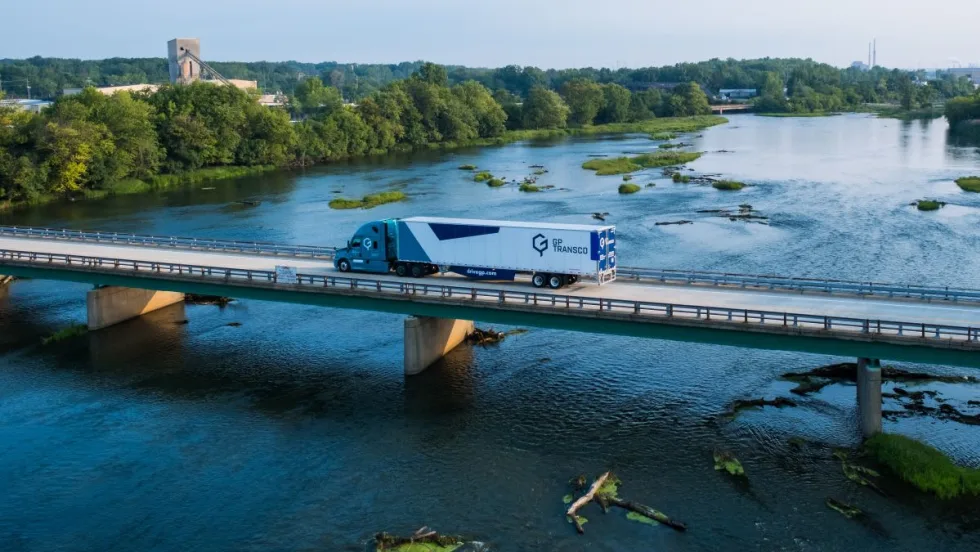
How GP Transco Builds Fuel Savings a Fraction at a Time
Aerodynamic specs, solar panels, and driver incentives help GP Transco turn small efficiency gains into savings it can reinvest in its people.
Read More →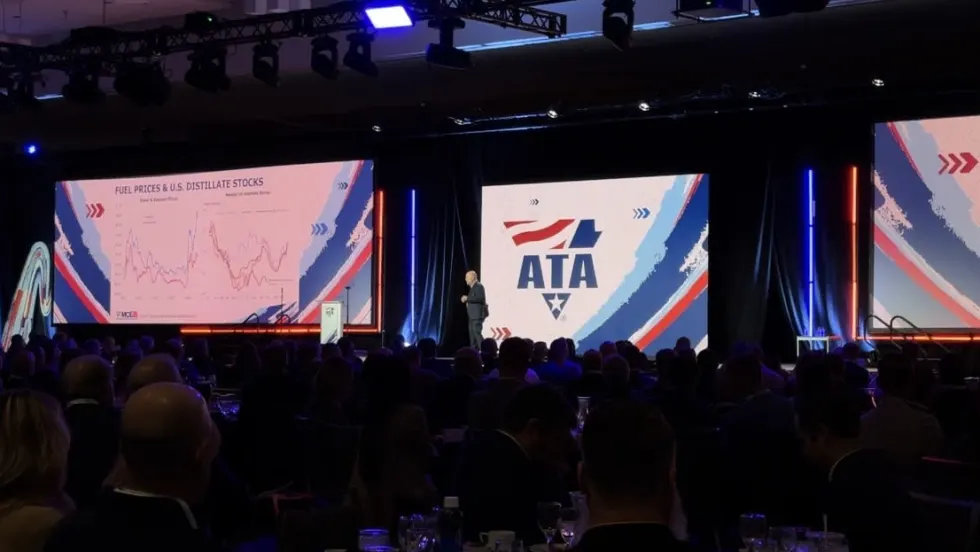
Trucking’s Diesel Squeeze Isn’t Letting Up
With diesel topping $6 a gallon nationally, ATA's Bob Costello explains why fleets should prepare for continued pressure at the pump.
Read More →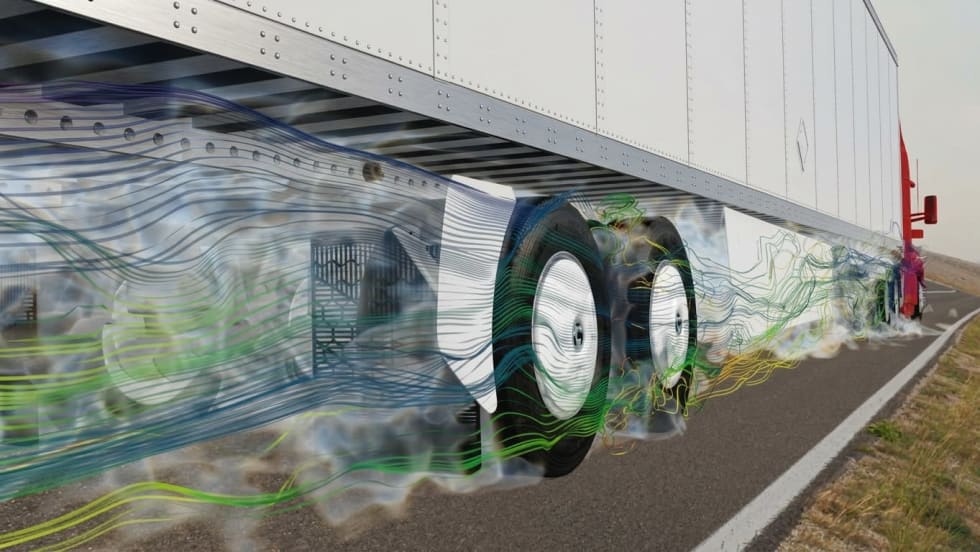
FlowBelow Redesigns Trailer AeroSlider to Cut Fuel Use
The lighter trailer aerodynamic system installs in less than 45 minutes, according to the company, with potential payback in under a year depending on fuel prices and trailer mileage.
Read More →
Why Diesel Price Relief Efforts May Fall Short
Diesel prices have eased from September’s record high, but doubts about additional Russian supply and limits on dyed-diesel tax relief mean trucking fleets still face expensive fuel. And prices could go higher.
Read More →
Why Small Fuel Savings Matter in Trucking
Can better fuel economy help pay for driver raises? In this podcast, GP Transco explains how small efficiency gains create room to reinvest in its people.
Read More →
How GP Transco Cuts Trucking Fuel Costs, a Tenth of a Gallon at a Time
What’s another tenth of a mile per gallon worth? GP Transco shares how equipment upgrades and driver coaching turn small gains into meaningful fuel savings.
Read More →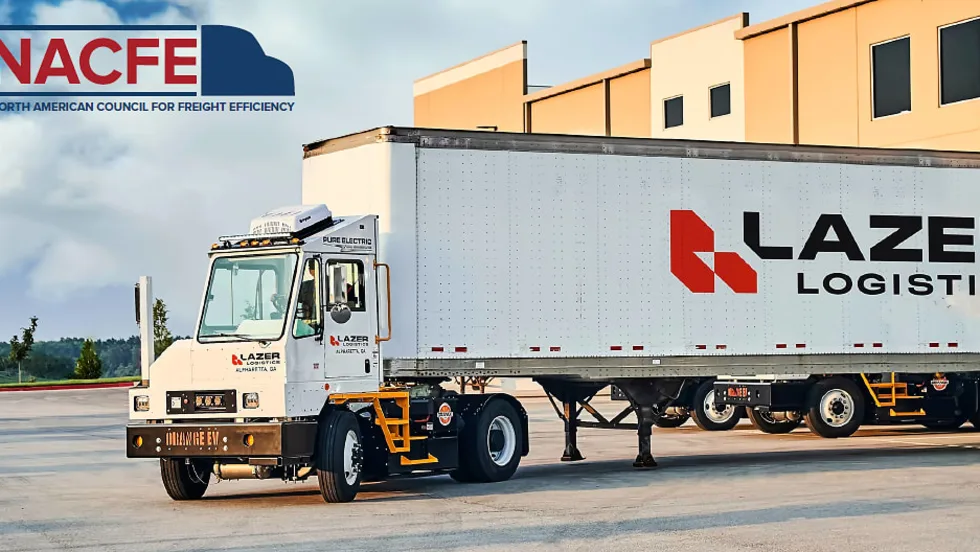
Electric Yard Tractors Move Beyond Pilots
Operating-cost savings have overtaken sustainability goals as the leading reason surveyed fleets are adopting battery-electric terminal tractors, according to new NACFE research.
Read More →
Geotab Links Fleet Card to Vehicle Data
The new card combines fuel discounts with telematics-based purchase controls. Geotab’s analysis also points to potential savings from choosing lower-priced fuel stops.
Read More →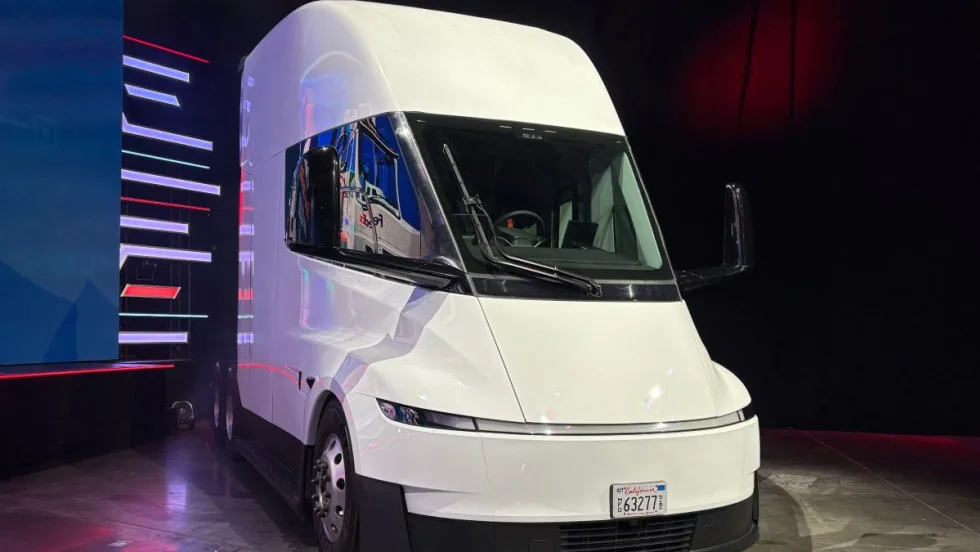
Fleet Economics Shape Electric Truck Outlook
ACT Research expects costs, charging infrastructure, and technology improvements to drive zero-emission commercial vehicle adoption as federal regulations and incentives retreat.
Read More →
Wex Adds Cardless Fuel Payments for Over-the-Road Customers
A new fuel card feature for Wex customers offers convenience and security.
Read More →