




The Future Charging Standard for Heavy-Duty EVs
CharIN E.V. has developed and demonstrated a Megawatt Charging System designed to be the future charging standard for heavy-duty trucks and other heavy-duty

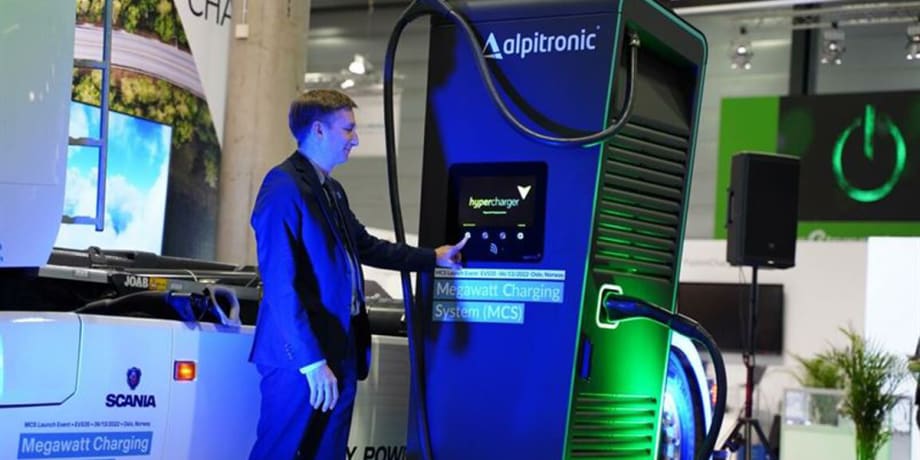
The Megawatt Charging System was demonstrated on an Alpitronic charger and a Scania electric truck.
Photo: CharIn
Four years after kicking off a task force on heavy-duty charging for commercial vehicles, CharIN E.V. has developed and demonstrated a new global solution for heavy-duty trucks and other heavy-duty modes of transportation: a Megawatt Charging System.
More than 300 visitors attended the unveiling of the protype Megawatt Charging System (MCS), which included a demonstration on an Alpitronic charger and a Scania electric truck, at the International Electric Vehicle Symposium in Oslo, Norway.
The charging system addresses a key stumbling block for heavy-duty truck electrification, which is being able to quickly charge a truck and get back on the road.
"We have what we call short- and medium-regional haul electric tractors today that have about a 200-mile range, maybe 300-mile range," Mike Roeth, executive director of the North American Council for Freight Efficiency, told HDT. "Megawatt charging is really important for us [the industry] to be able to extend that range and satisfy either long regional runs … or long-haul disparate route runs around 500 miles.”
The MCS, with DC fast charging connector for heavy-duty electric vehicles, was developed to create a worldwide standard. In the future, the system will satisfy the demand of the truck and bus industry to charge within a reasonable time, CharIN officials said in a press release.
MCS combines the benefits and the features of the Combined Charging System (CCS) based on ISO/IEC 15118, with a new connector design to enable a higher charging power. The MCS is designed for a charging voltage of up to 1,250 volts and 3,000 amps.
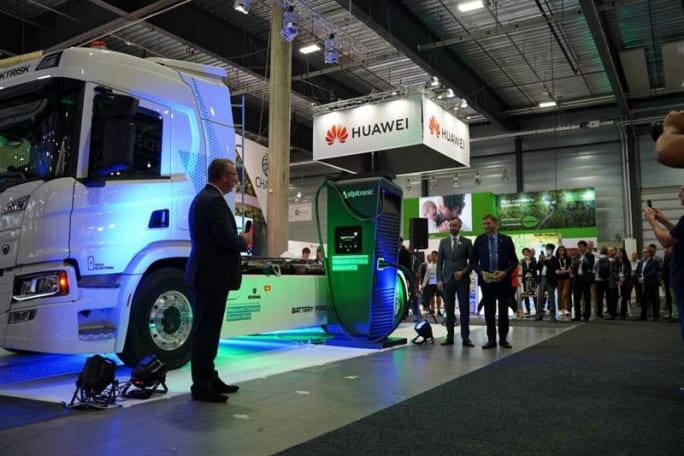
More than 300 visitors attended the unveiling of the protype Megawatt Charging System at the International Electric Vehicle Symposium in Oslo, Norway.
Photo: CharIn
The standard is key for battery-electric long-haul trucks, but will also help pave the way for further heavy-duty applications such as marine, aerospace, mining, or agriculture.
Final publication of the standard and final design of the charger is expected in 2024, CharIn officials said. CharIn is a global association that focuses on electric vehicle adoption.
Another Achievement: MCS Connectors
The CharIN MCS Task Force also has come to a common agreement on standardizing the charging connector and position for all trucks worldwide. Standardizing the charging connector and the charging process will be step forward for creating charging infrastructure for heavy-duty trucks, explains Roeth.
For one, faster charging would decrease the wait time at future truck stops. It would also help with what NACFE calls “opportunity charging” or “route charging,” where a truck can get a very quick fast charge in order to extend its range.
“So maybe overnight, the trucks got 200 miles of range, then in the middle of the day you stopped for 20 minutes and you get 100-200 miles more, or something significant to be able to extend the range,” Roeth explains. “The truck driver may be taking a break during that period of time, but they can really save a lot of money and not have to manage huge battery packs and the excess weight and so forth.”
This kind of charging would require freight and routes to be more predictable, but Roeth says with the advancement of load match technologies, some freight is getting there, enabling electrification to become easier.
CharIN members will present their respective products implementing MCS in 2023. The task force includes more than 80 companies, including Cummins, Daimler Truck, Nikola, and Volvo Trucks as “core members.”
A consortium of interested partners from the industry and research institutes have already started a pilot in Germany, the HoLa project, to put megawatt charging for long-haul trucking in real world conditions, and to gain more information about the European MCS Network demand.
More Fuel Smarts
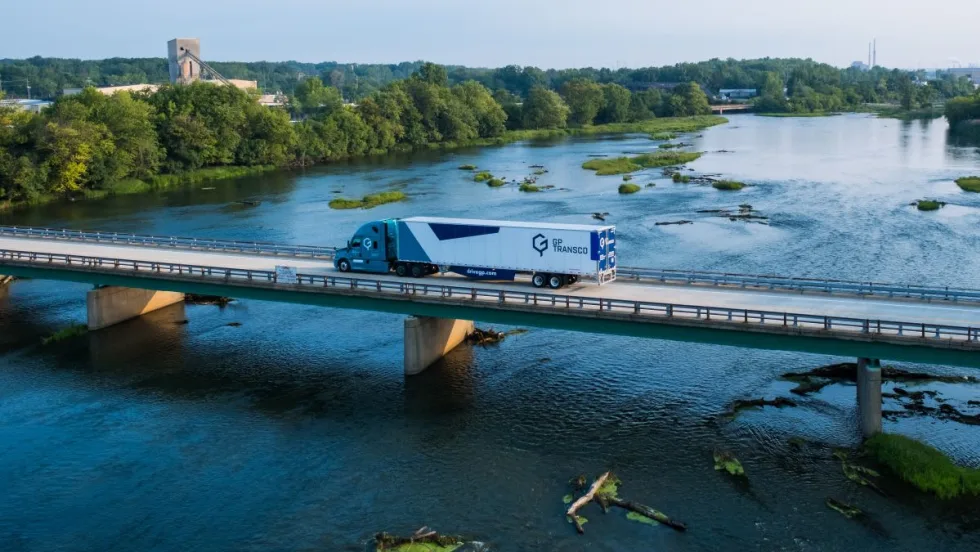
How GP Transco Builds Fuel Savings a Fraction at a Time
Aerodynamic specs, solar panels, and driver incentives help GP Transco turn small efficiency gains into savings it can reinvest in its people.
Read More →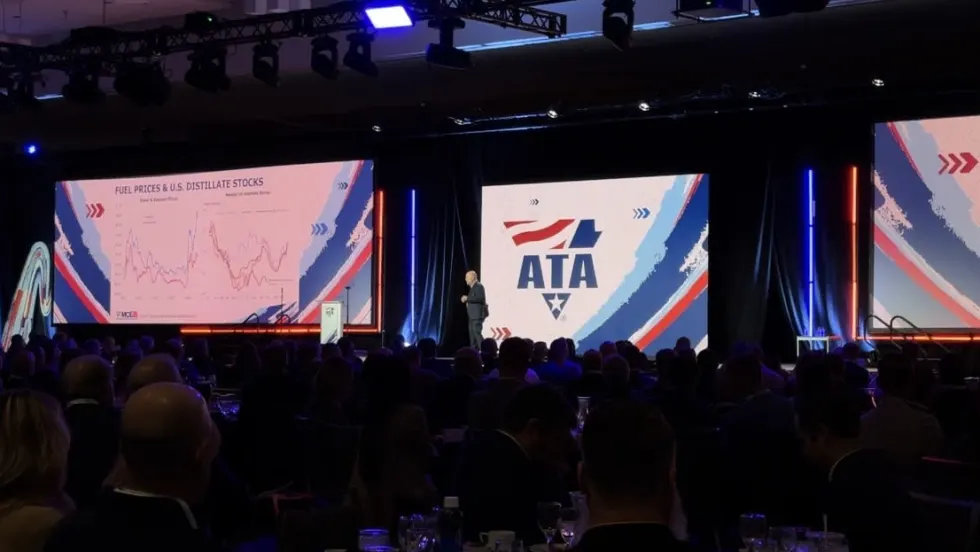
Trucking’s Diesel Squeeze Isn’t Letting Up
With diesel topping $6 a gallon nationally, ATA's Bob Costello explains why fleets should prepare for continued pressure at the pump.
Read More →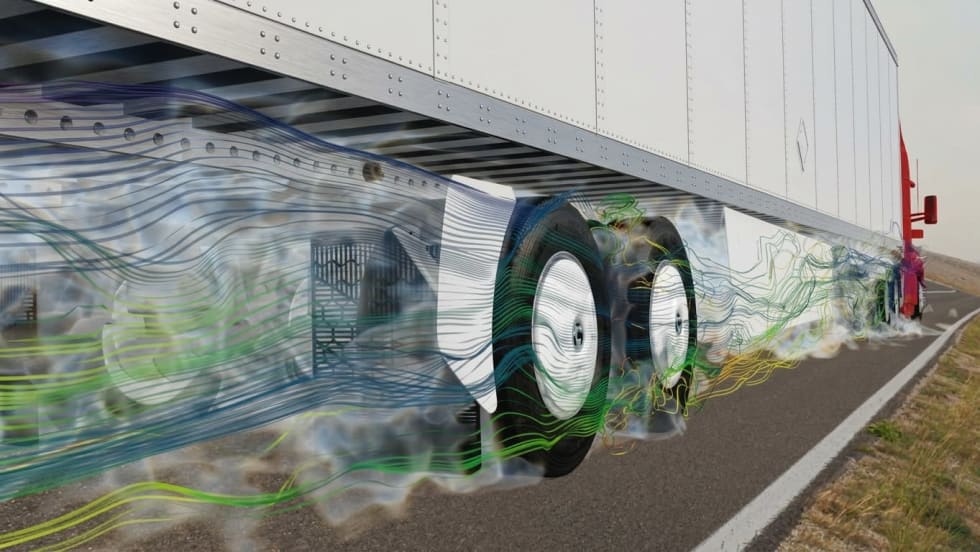
FlowBelow Redesigns Trailer AeroSlider to Cut Fuel Use
The lighter trailer aerodynamic system installs in less than 45 minutes, according to the company, with potential payback in under a year depending on fuel prices and trailer mileage.
Read More →
Why Diesel Price Relief Efforts May Fall Short
Diesel prices have eased from September’s record high, but doubts about additional Russian supply and limits on dyed-diesel tax relief mean trucking fleets still face expensive fuel. And prices could go higher.
Read More →
Why Small Fuel Savings Matter in Trucking
Can better fuel economy help pay for driver raises? In this podcast, GP Transco explains how small efficiency gains create room to reinvest in its people.
Read More →
How GP Transco Cuts Trucking Fuel Costs, a Tenth of a Gallon at a Time
What’s another tenth of a mile per gallon worth? GP Transco shares how equipment upgrades and driver coaching turn small gains into meaningful fuel savings.
Read More →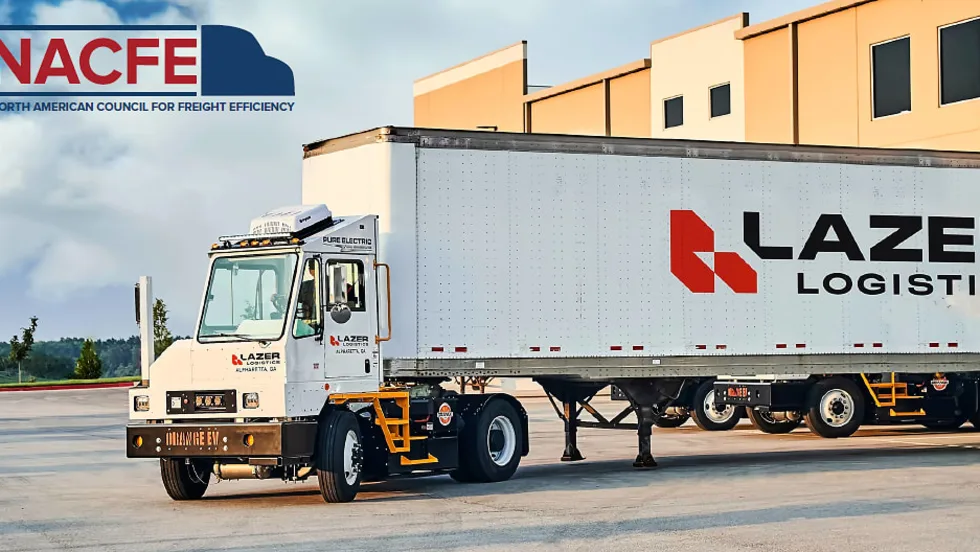
Electric Yard Tractors Move Beyond Pilots
Operating-cost savings have overtaken sustainability goals as the leading reason surveyed fleets are adopting battery-electric terminal tractors, according to new NACFE research.
Read More →
Geotab Links Fleet Card to Vehicle Data
The new card combines fuel discounts with telematics-based purchase controls. Geotab’s analysis also points to potential savings from choosing lower-priced fuel stops.
Read More →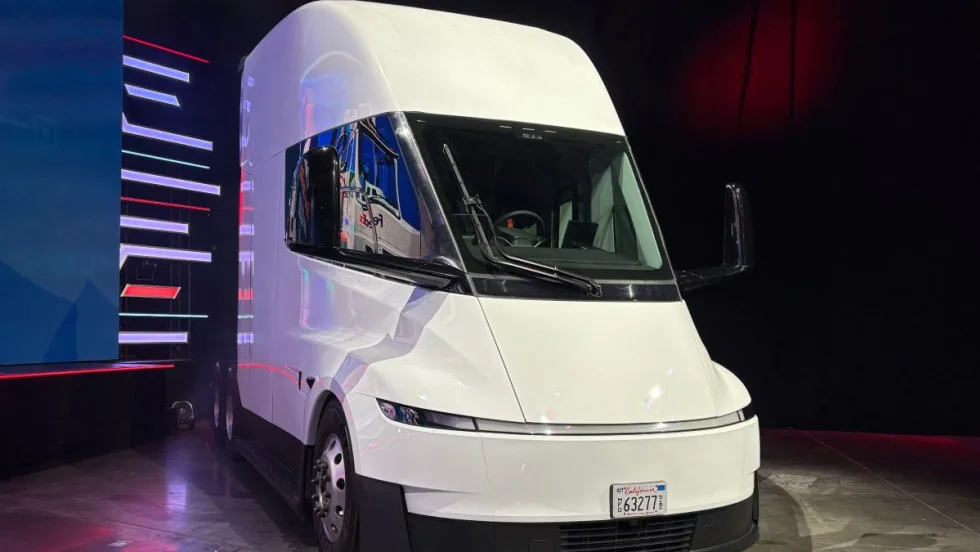
Fleet Economics Shape Electric Truck Outlook
ACT Research expects costs, charging infrastructure, and technology improvements to drive zero-emission commercial vehicle adoption as federal regulations and incentives retreat.
Read More →
Wex Adds Cardless Fuel Payments for Over-the-Road Customers
A new fuel card feature for Wex customers offers convenience and security.
Read More →