





Peterbilt Chief on EVs, Autonomous Tech and the New Model 579
Quantix Accepts EV Delivery for Drayage Operation
After COVID-19 pandemic-induced component shortages delayed delivery, Quantix has finally welcomed its first electric trucks.
September 2, 2022
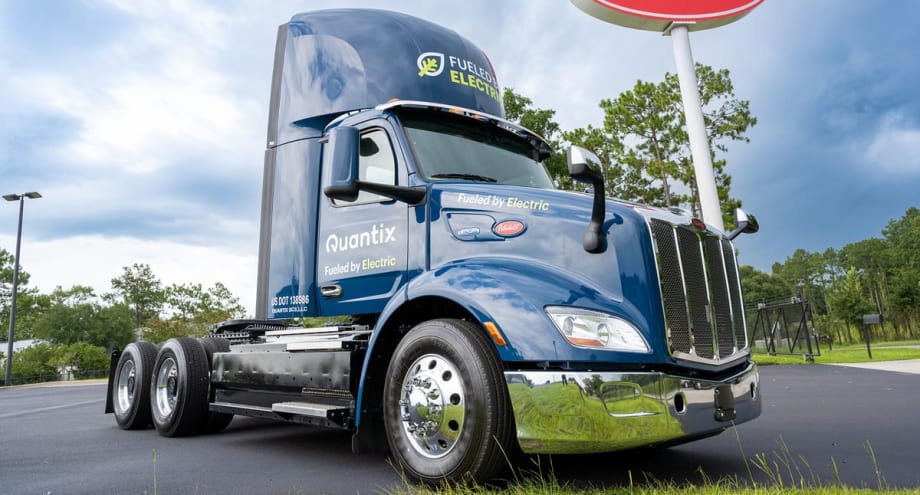
Quantix will use the electric trucks to haul plastic in a drayage operation to the ports of Charleston and Savannah.
Photo: Peterbilt
2 min to read
In early August, Peterbilt delivered two Model 579 electric vehicles to Quantix for use in the company’s drayage operation in its Charleston, South Carolina, and Savannah, Georgia, facilities.
Quantix, which operates in the chemical industry, is one of the first in the nation to receive the 579EVs. The company has been prepping to receive these trucks for some time. Initially planned for delivery in December 2021, the trucks were held up due to truck backlogs and production issues contributed to by COVID-19 pandemic-induced component shortages.
The fully integrated, all-electric 579EV powertrain provides a range up to 150 miles. When used in conjunction with a recommended DC fast-charger, the high-energy density battery packs recharge in 3 to 4 hours, making the 579EV ideal for regional haul, drayage, pickup and delivery, and last mile operations.
The company will use the trucks to haul plastic in a drayage operation to the ports of Charleston and Savannah, making three 20-30 mile runs a day with one charging period after the first two runs, and then an overnight charge. Eventually, Quantix will expand the trucks’ run to four per day as the technology proves itself, company officials said in an interview with HDT earlier this year.
“Quantix has very aggressive sustainability goals, and we intend to have 25% of our last mile and drayage fleet powered by alternative fuels by 2030,” said Chris Ball, Quantix CEO and President, in a press release.
Quantix fleet includes over 3,000 trucks and trailers, which operate over 50 terminals and warehousing and packaging facilities nationwide.
“Between investment in infrastructure, training and maintenance in partnership with Peterbilt, we have the proper support to incorporate these trucks most efficiently and effectively into our fleet,” added Troy Basso, Quantix VP of Fleet Maintenance.
More Fuel Smarts
Trucking’s Diesel Squeeze Isn’t Letting Up
With diesel topping $6 a gallon nationally, ATA's Bob Costello explains why fleets should prepare for continued pressure at the pump.
Read More →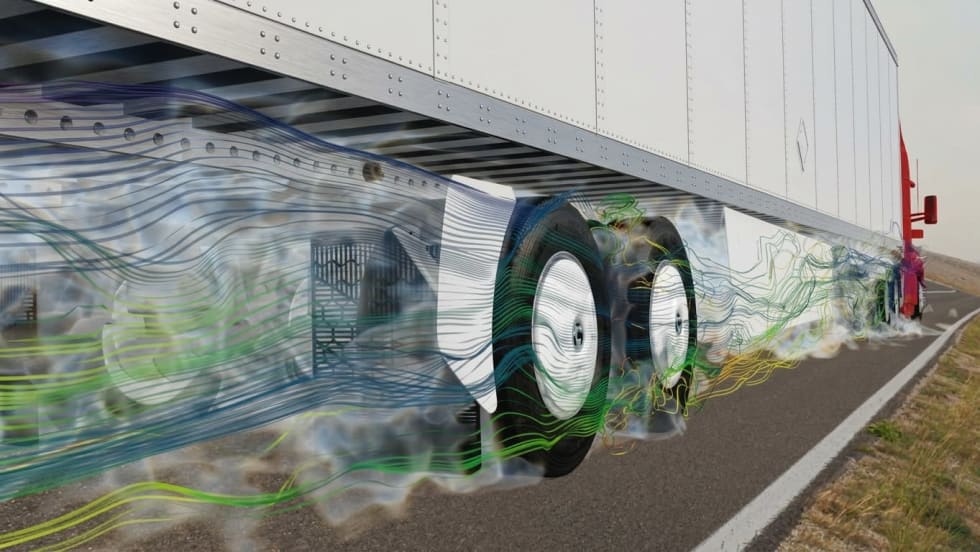
FlowBelow Redesigns Trailer AeroSlider to Cut Fuel Use
The lighter trailer aerodynamic system installs in less than 45 minutes, according to the company, with potential payback in under a year depending on fuel prices and trailer mileage.
Read More →
Why Diesel Price Relief Efforts May Fall Short
Diesel prices have eased from September’s record high, but doubts about additional Russian supply and limits on dyed-diesel tax relief mean trucking fleets still face expensive fuel. And prices could go higher.
Read More →
Why Small Fuel Savings Matter in Trucking
Can better fuel economy help pay for driver raises? In this podcast, GP Transco explains how small efficiency gains create room to reinvest in its people.
Read More →
How GP Transco Cuts Trucking Fuel Costs, a Tenth of a Gallon at a Time
What’s another tenth of a mile per gallon worth? GP Transco shares how equipment upgrades and driver coaching turn small gains into meaningful fuel savings.
Read More →
Electric Yard Tractors Move Beyond Pilots
Operating-cost savings have overtaken sustainability goals as the leading reason surveyed fleets are adopting battery-electric terminal tractors, according to new NACFE research.
Read More →
Geotab Links Fleet Card to Vehicle Data
The new card combines fuel discounts with telematics-based purchase controls. Geotab’s analysis also points to potential savings from choosing lower-priced fuel stops.
Read More →
Fleet Economics Shape Electric Truck Outlook
ACT Research expects costs, charging infrastructure, and technology improvements to drive zero-emission commercial vehicle adoption as federal regulations and incentives retreat.
Read More →
Wex Adds Cardless Fuel Payments for Over-the-Road Customers
A new fuel card feature for Wex customers offers convenience and security.
Read More →
New California Law Could Shed Light on Electric Truck Prices
Why do battery-electric Class 8 trucks remain so expensive? A California bill signed by Gov. Gavin Newsom would give fleets and state agencies more visibility into what manufacturers charge.
Read More →