





Dig Deeper — Electric Truck Ecosystem: What it Takes to Run BEVs
Action Plan Designed to Accelerate Electric Truck and Bus Adoption
Jurisdictions that represent 36% of the nation’s medium- and heavy-duty vehicles unveiled an Action Plan of recommendations for accelerating the transition to zero-emission trucks, vans, and buses.
July 28, 2022
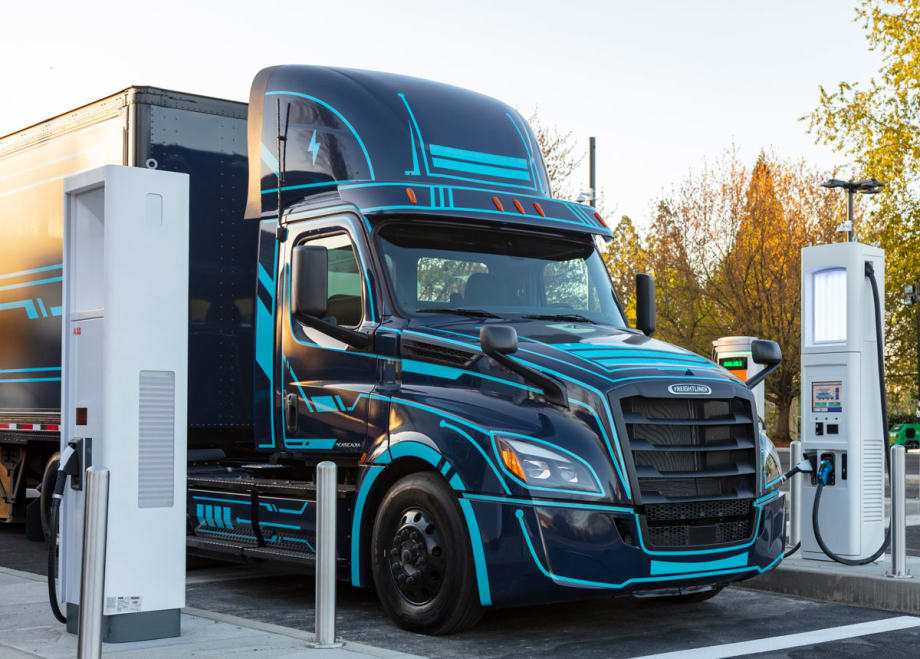
“Electric Island" is a joint project of Daimler Truck North America and Portland General Electric, designed to accelerate the development, testing and deployment of zero-emissions commercial vehicles.
Photo: Daimler Truck North America
4 min to read
Jurisdictions that represent 36% of the nation’s medium- and heavy-duty vehicles unveiled an Action Plan of recommendations for accelerating the transition to zero-emission trucks, vans, and buses.
17 states, D.C., and Quebec developed the plan working through the Multi-State ZEV Task Force facilitated by the Northeast States for Coordinated Air Use Management (NESCAUM). The U.S. jurisdictions in the initiative collectively represent 43% of the population, nearly half of the economy, and 36% of the nation’s medium- and heavy-duty vehicles, according to an announcement.
This is the result of two years of work after a Memorandum of Understanding (MOU) announced in July 2020 directed the Multi-State ZEV Task Force to recommend strategies to accelerate the deployment of electric trucks and buses, with a focus on communities overburdened by higher levels of air pollution.
The MOU also established goals to make at least 30% of new medium- and heavy-duty vehicle sales zero-emissions vehicles by 2030, and 100% by 2050.
This Action Plan was developed by the following jurisdictions: California, Colorado, Connecticut, Hawaii, Maine, Maryland, Massachusetts, Nevada, New Jersey, New York, North Carolina, Oregon, Pennsylvania, Rhode Island, Vermont, Virginia, Washington, District of Columbia, and the Canadian province of Quebec.
The plan includes more than 65 strategies and recommendations for policymakers to consider to accelerate electric truck and bus adoption, among them:
Sales and purchase requirements like California’s Advanced Clean Trucks regulation.
Fleet purchase and annual reporting requirements for publicly owned, controlled, and contracted fleets.
States should prioritize electrifying public fleet vehicles operating in communities disproportionately affected by air pollution.
Vehicle and infrastructure purchase incentives.
Utility investment in charging infrastructure.
Innovative financing mechanisms.
Workforce development programs.
Deployment of public charging in communities and along travel corridors.
Addressing Electric-Truck Price and Charging Obstacles
“Providing purchase incentives to reduce or eliminate the purchase price differential for MHD ZEVs and the cost of charging and fueling infrastructure are among the most important actions that states can take to accelerate electric truck and bus adoption in this early market,” explains the report.
“This is particularly true for smaller fleets, independent owner-operators, and minority-owned fleets in low- and middle-income communities that may not have sufficient capital or access to affordable financing sources to front load the cost of higher priced ZEVs and charging/fueling infrastructure…. The most effective incentive programs are point-of-sale programs that provide ‘cash-on-the-hood’ at the time of purchase.”
The plan also addresses one of the other most often cited challenges for EV adoption by fleets: “Widespread electrification of trucks and buses will present a new set of grid management challenges and opportunities for utilities. Many fleets will require fast high-powered charging to reduce refueling time for their electric trucks and buses, along with localized grid upgrades to serve the increased power load. … Utilities and utility regulators must play a central role in MHD fleet electrification to ensure a smooth and rapid transition.”
The participating jurisdictions are already moving forward to implement the plan’s recommendations:
In 2021, Quebec adopted a regulation requiring all new school buses to be electric.
Six states — California, Massachusetts, New Jersey, New York, Oregon, and Washington — have adopted the Advanced Clean Trucks regulation, which requires medium- and heavy-duty vehicle manufacturers to sell an increasing percentage of ZEVs.
California, Massachusetts, and Oregon have adopted the Heavy-Duty Engine and Vehicle Omnibus regulation to reduce NOx and PM emissions from heavy-duty trucks while the market transitions. Other states are actively working to adopt these rules, and many have set targets to transition state and municipal fleets.
The plan emphasizes the need for a “whole-of-government” approach across government agencies to ensure that transportation electrification policies deliver benefits where they are needed most.
The Action Plan also highlights the economic and job opportunities associated with medium- and heavy-duty ZEV market growth and the benefits of multi-state collaboration. The plan recommends partnerships with the trucking industry, community groups, labor groups, educational institutions, and others to develop workforce training and re-training programs, and identifies key labor issues impacting workers.
NESCAUM is the non-profit association of air quality agencies in the six New England states, New Jersey, and New York, which supports state initiatives to improve air quality and address climate change and works closely with states on adoption and implementation of California’s emission standards for new cars and trucks in lieu of federal standards. NESCAUM also facilitates the Multi-State ZEV Task Force.
More Fuel Smarts
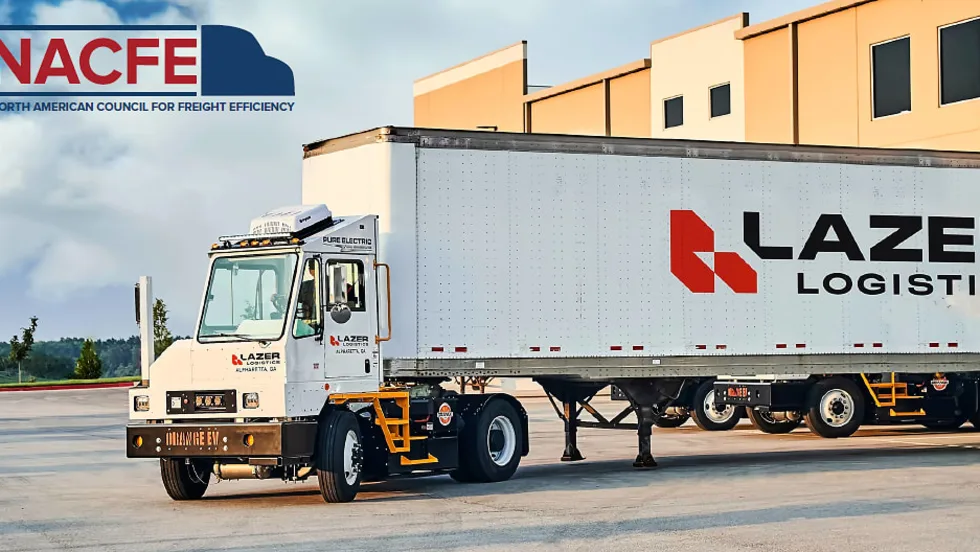
Electric Yard Tractors Move Beyond Pilots
Operating-cost savings have overtaken sustainability goals as the leading reason surveyed fleets are adopting battery-electric terminal tractors, according to new NACFE research.
Read More →
Geotab Links Fleet Card to Vehicle Data
The new card combines fuel discounts with telematics-based purchase controls. Geotab’s analysis also points to potential savings from choosing lower-priced fuel stops.
Read More →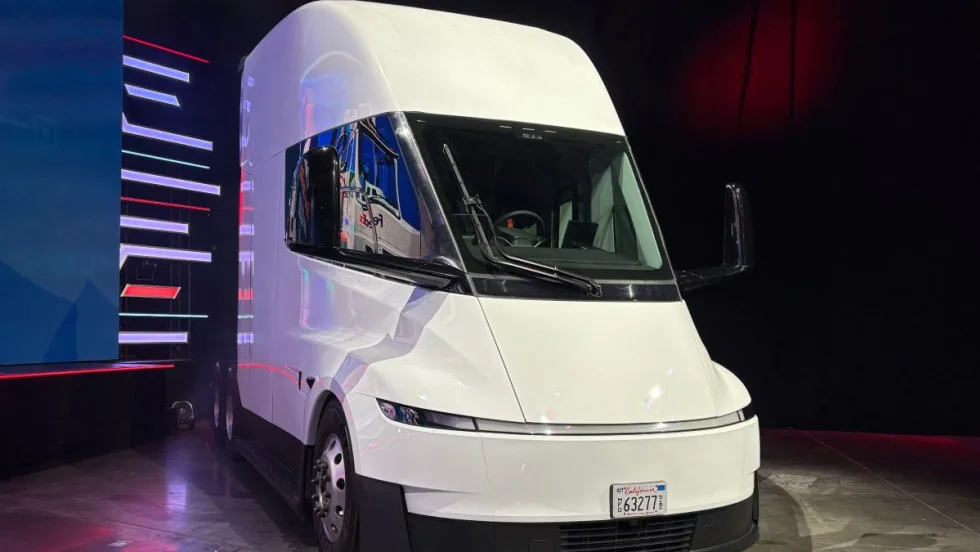
Fleet Economics Shape Electric Truck Outlook
ACT Research expects costs, charging infrastructure, and technology improvements to drive zero-emission commercial vehicle adoption as federal regulations and incentives retreat.
Read More →
Wex Adds Cardless Fuel Payments for Over-the-Road Customers
A new fuel card feature for Wex customers offers convenience and security.
Read More →
New California Law Could Shed Light on Electric Truck Prices
Why do battery-electric Class 8 trucks remain so expensive? A California bill signed by Gov. Gavin Newsom would give fleets and state agencies more visibility into what manufacturers charge.
Read More →
How Volvo Updated Its D13 for EPA 2027 [Watch]
Volvo’s updated D13 promises lower emissions without sacrificing performance or fuel economy. Take a closer look at what changed inside the engine in this HDT Spotlight video.
Read More →
Diesel Price Spike Shortens Payback for Natural Gas Trucks, Report Says
Energy Vision estimates fleets could recover the higher purchase price of an RNG-fueled Class 8 tractor in 1.3 to 2.8 years under current fuel-price scenarios.
Read More →
Calstart Becomes Catalyst Mobility, Reflecting Broader Focus
Calstart is now Catalyst Mobility, reflecting the nonprofit’s growing national role in clean transportation, including zero-emission trucks, infrastructure and incentive programs.
Read More →
Record Diesel Prices Squeeze Trucking Fleets
Average U.S. diesel prices have climbed to nearly $6 a gallon, surpassing the 2022 record as tight refinery capacity and Middle East disruptions keep fuel costs elevated.
Read More →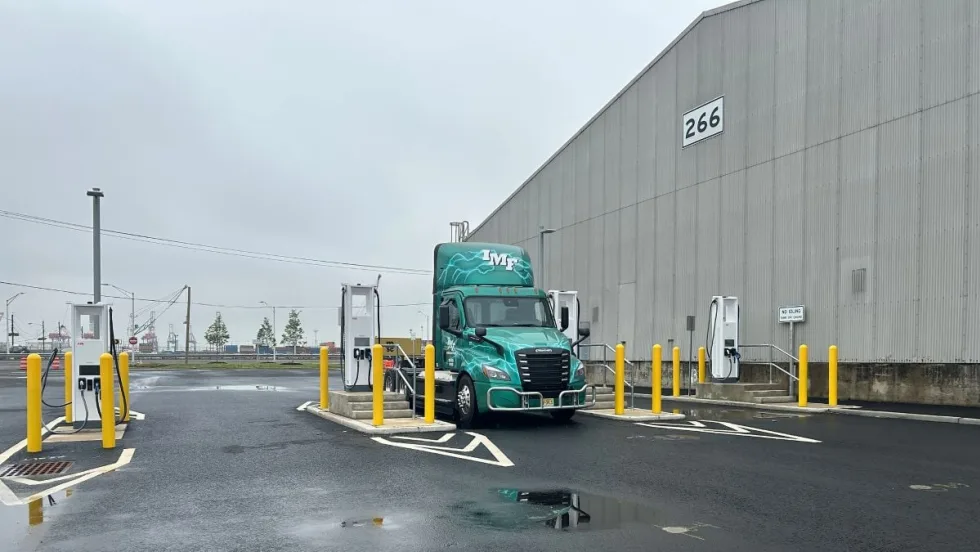
East Coast Port Launches $45M Electric Truck Push
The Port Authority of New York and New Jersey announced millions in incentives for zero-emission drayage trucks, yard tractors, and new charging hubs near the port.
Read More →