





Listen: Are ELDs Responsible for Higher Crash Rates and More Risky Driving?
Canada Will Finally Enforce Trucking ELD Rules Come 2023
There will be no more delays in enforcement of Canada’s electronic logging device mandate for Canadian motor carriers and for U.S. carriers that operate across the northern border, according to a major ELD supporter.
July 11, 2022
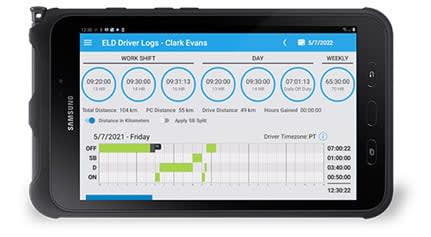
Zonar Logs are the 52nd electronic logging device to be approved for use in Canada.
Photo: Zonar
3 min to read
There will be no more delays in enforcement of Canada’s electronic logging device (ELD) mandate for Canadian motor carriers and for U.S. carriers that operate across the northern border.
Canada’s ELD mandate was originally scheduled to go into effect in June of 2021. However, the Canadian government announced just months before that date that it would phase in full enforcement over 12 months, given the lack of ELDs that had been certified to Canada’s ELD standards at the time. Full enforcement was scheduled to start June 12 of this year, but earlier this year, Canadian officials announced that they had moved the ELD enforcement date again, to Jan. 1, 2023.
Reasons for the postponements included the fact that there were no ELDs approved by third-party certification entities as required by Canada’s rules –– something that differs from the U.S. self-certification process. ELD providers needed time to get devices certified; trucking fleets needed time to get those devices implemented; and Canadian provinces and territories had to be ready to enforce the new law.
Now the Canadian Trucking Alliance, which has been a big supporter of the ELD mandate, says that it has been advised by the Canadian Council of Motor Transport Administrators that the provinces and territories are firmly committed to enforcing the ELD mandate in January 2023 and no announcements on further delays are expected. If a particular jurisdiction is not able to enforce the rule in January, all others who are ready will proceed with enforcement at that time, regardless.
“Based on updates from our government partners at CCMTA and provincial associations, it is our clear understanding all jurisdictions will be ready to start enforcement on January 1,” said Geoff Wood, CTA’s Sr. VP, Policy. “But, if there’s unforeseen circumstances that lead to a jurisdiction not being ready to enforce, other jurisdictions that are ready and prepared will not be held back and will go forward. The industry has been well prepared for this rule for a long time and has waited long enough for enforcement. It’s time enforcement begins.”
In recent discussions with CTA’s provincial trucking associations and provincial/federal officials responsible for the introduction and enforcement of the ELD mandate, governments across Canada have indicated they are busy preparing for enforcement and report no major technical roadblocks that would prevent enforcement in January.
According to these same reports, the only remaining provinces left to finalize their regulatory paths are Nova Scotia, Newfoundland, and Labrador, Quebec, and British Columbia. However, the Quebec Trucking Association expects matters to be finalized shortly, while the BC Trucking Association says it has been assured that the government of BC will also be in a position to begin enforcement of ELDs as of Jan. 1. The Atlantic Provinces Trucking Association reports that it believes both Newfoundland and Labrador and Nova Scotia will also enforce in January 2023.
In addition, the number of certified ELDs has continued to grow. There were 22 devices from 15 ELD vendors on the certified list when the latest delay was announced in March. There are currently 52 ELDs certified by Transport Canada for use in Canada.
More Safety & Compliance
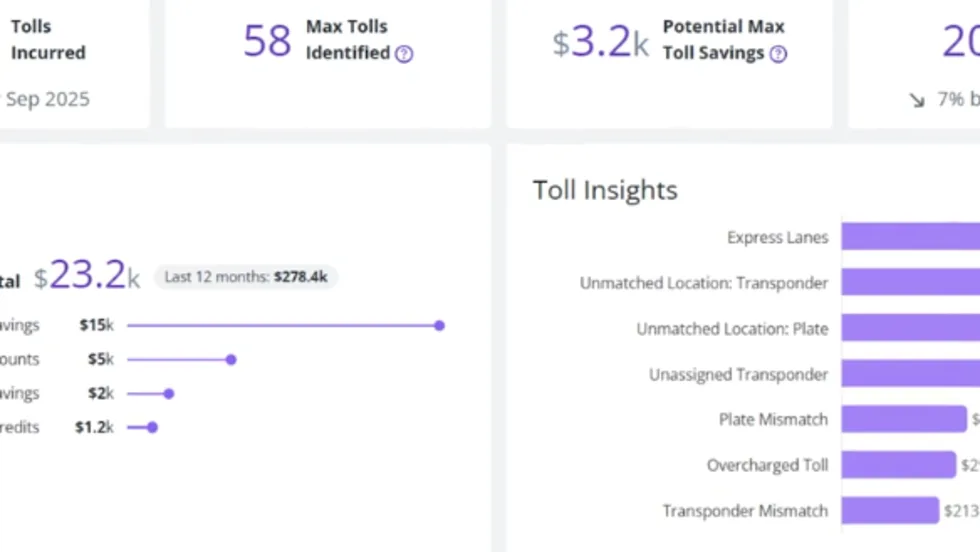
PrePass Intelligence Mines Fleet Bypass, Toll and Safety Data
PrePass Intelligence helps fleets measure bypass savings, flag potential toll overcharges, and spot suspicious transactions by combining data from separate systems.
Read More →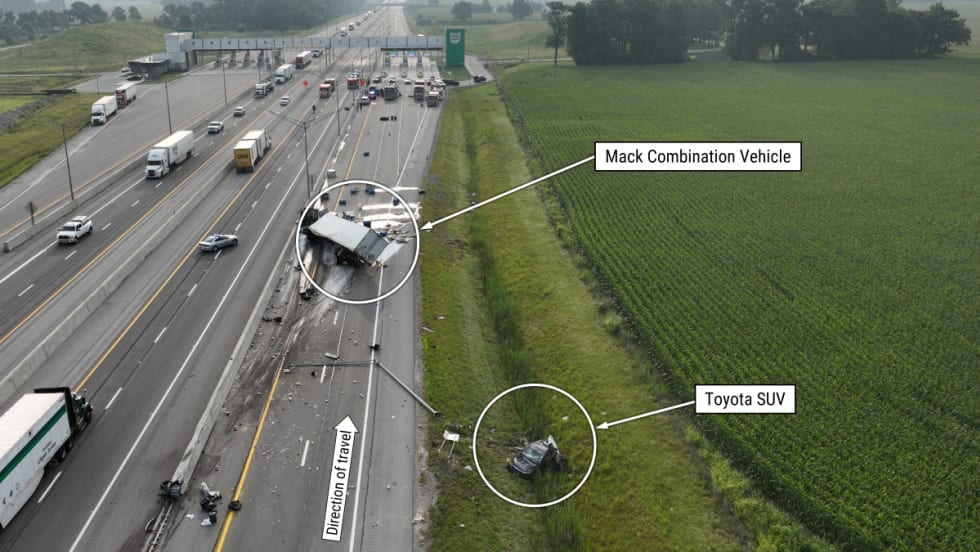
Fatal Crash Exposes Toll Plaza Risks
An NTSB investigation found that last-minute lane changes and large speed differences at an Ohio toll plaza created a hazard the truck driver couldn't avoid in time.
Read More →
When Language Stops the Truck: The Return of ELP Out-of-Service Orders
English language proficiency rules for commercial drivers aren’t new, but renewed out-of-service enforcement has raised the stakes. Here’s what carriers need to know before a driver reaches a roadside inspection.
Read More →

Sponsored•October 6, 2026
A Camera Isn't a Safety Program. Here's What Brokers Are Screening for Now
Footage alone may not be enough to pass broker vetting processes. Here's what counts as a defensible safety program now.
Read More →
Marijuana and Trucking’s Drug-Testing Dilemma
Marijuana is getting stronger, laws are changing, and drug tests still can’t reliably establish impairment. What does that mean for truck drivers and the fleets that employ them?
Read More →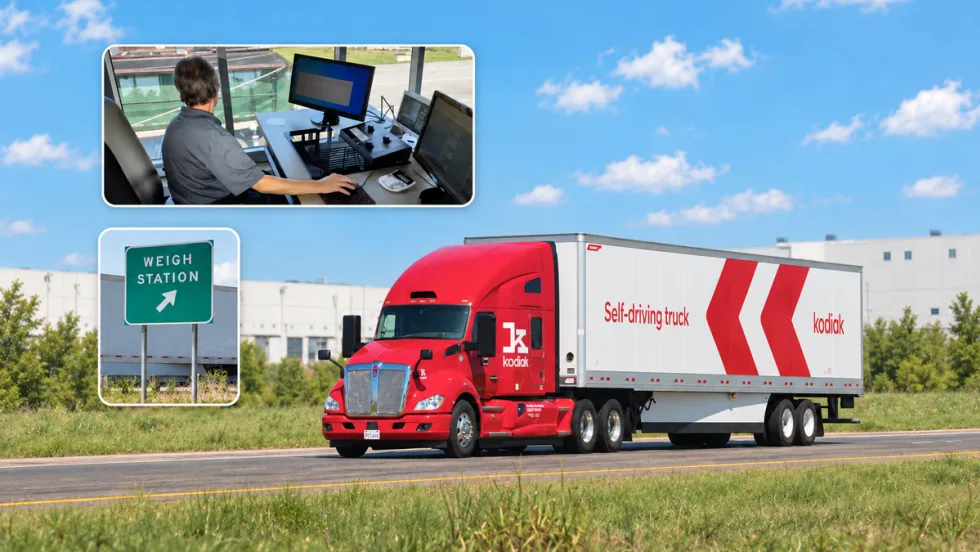
PrePass, Kodiak Connect Driverless Trucks to Roadside Enforcement
The system will allow enforcement agencies to verify Enhanced Inspection information and decide whether Kodiak’s autonomous trucks can bypass roadside screening sites.
Read More →
From One Generation to the Next: How Mentorship Builds Safer Truck Drivers
After three decades in trucking, Harold Perry shares what he's learned about driver safety, mentorship, and helping the next generation build confidence behind the wheel.
Read More →
FMCSA Pauses Biennial-Update Enforcement Amid Motus Transition
Carriers whose updates were due on or after June 1 have more time, while FMCSA works to stabilize its new registration system and warns of phishing sites impersonating its new carrier registration system, Motus.
Read More →
ZF Expands Commercial Vehicle Push in North America
ZF is expanding its North American commercial-vehicle presence with new transmission applications, electrification, trailer technology and autonomous-driving systems.
Read More →
Truck Drivers Need More Than Another Alert
Fleets have more visibility into truck health, safety events, and driver activity than ever. The next challenge is turning all that information into useful guidance for the person who has to decide what to do next.
Read More →