




From the HDT Archives (November 2020): The Clock is Ticking on Canadian ELD Compliance
Canada to Phase in ELD Mandate Enforcement
The Canadian electronic logging device mandate will still go into effect June 12, but with a “progressive enforcement period” lasting 12 months.
by Heavy Duty Trucking and Today's Trucking Staff
March 3, 2021
U.S. fleets that cross the border into Canada can breathe a sigh of relief with the news that enforcement of new ELD requirements will be phased in.
Photo: Jim Park
5 min to read
The Canadian electronic logging device mandate will still go into effect June 12, but with a “progressive enforcement period” lasting 12 months.
As late as last week, the Canadian government said it was still committed to this summer’s deadline. However, on March 2, Transport Minister Omar Alghabra issued a statement noting that “the impact of Covid-19 on commercial vehicle operations has been unprecedented and must be acknowledged. As such, with the support of provinces and territories, and in consultation with industry, we will work together on the successful and effective implementation of a progressive enforcement period. This will give sufficient time for industry to obtain and install certified electronic logging devices without penalty as of June 12, 2021. Early enforcement measures will consist of education and awareness.”
He urged carriers to equip their trucks with ELDs “as soon as reasonably possible.”
The Canadian Trucking Alliance and the Private Motor Truck Council of Canada had both been pushing for a phased-in enforcement, given not only the challenges of the pandemic, but also the fact that no devices have yet been independently third-party certified under the requirements. Without actual devices, fleets are fast running short on time to properly integrate the devices into their operations. And as U.S. fleets learned, waiting until the last minute to start the process can lead to all kinds of headaches.
“With no certified devices currently on Transport Canada’s list of approved devices, this is the only reasonable way to move forward,” said PMTC in a statement. “The extra time will allow more ELD [suppliers] to prepare and submit for certification, and provide carriers more time to pick from an adequate list of approved devices.”
CTA said the Canadian Council of Motor Transport Administrators assured the association that it has formed a committee to develop the progressive enforcement strategy.
“CTA is committed to working with the provinces, territories and federal government in a comprehensive and fair manner that sees the mandate receive progressive and full enforcement within a 12-month period.” said CTA president Stephen Laskowski.
The provinces that are in charge of the actual enforcement aren’t necessarily going to be ready by June 12, either.
Canadian "federal rules" like the ELD mandate have no force at the provincial level until the individual provinces enshrine the rule into their own regulatory environment. Provinces can't enforce rules they don’t have on their own books. It was obvious as early as November that most provinces would not be ready to do this because of various legislative timetables and other political priorities.
Are ELD Suppliers Ready for the Canadian Mandate?
Several ELD suppliers have issued announcements to assure Canada’s trucking industry that they will have devices ready to comply with the June 12 deadline. However, FPInnovations of Pointe Claire, Quebec, the only third-party tester approved so far by the Canadian government, has yet to certify any equipment.
Estimates provided FPInnovations indicate it takes about four to six weeks to complete the certification process. FPInnovations has not disclosed how many devices it can process simultaneously, nor has it provided any indication of how many devices have been submitted by vendors or that are currently under evaluation.
Many suppliers have said they plan to update their existing offerings through over-the-air software changes.
“We will be applying for third-party certification on devices we intend to make compliant, along with providing training and preparation materials to the industry,” Omnitracs said in a recent statement. “Rest assured, we will obtain certification and help you ensure you’re ready by the mandate deadline.”
Another wrinkle is that updated technical standards to the Canadian ELD mandate were published in October 2020, according to Fred Fakkema, Zonar’s vice-president – safety and compliance. Although he said Zonar is ready and will be certified by June 12, Fakkema said there are concerns to be addressed.
“It is our understanding that law enforcement has not been trained on how to conduct and receive ELD logs during a roadside inspection, which may impact our customers,” he said. “As we’ve seen with the U.S. mandate, this can cause confusion and additional downtime during inspections. We hope to see the further training happen prior to the mandate going into effect.”
“This certification process is not free,” Omnitracs vice-president – regulatory affairs Mike Ahart stressed during a recent webinar on the issue. “For each ELD, it’s going to cost the ELD provider between $40,000 and $60,000 to get the device certified. Every single device has to be certified.”
The costs don’t end there, either. Each year, 25% of the ELDs will have to be retested. Suppliers will have to pay $12,000 to $25,000 per model for that work.
“The ELD is all the components. It’s the telematics device that connects to the ECM. It’s any middle tablet, or the OS for a middle tablet solution, and it’s the back office solution. All comprise the ELD and those components together make up one certification,” said Omnitracs’ Florence Dougherty, director – product management.
Vishal Sharma, head of sales and marketing at B.C.-based Hutch Systems, said, “We have already submitted our application to FPInnovations and feel strongly about getting a certification way before the mandate comes in place.”
However, Sharma predicted that several bring-your-own-device ELD suppliers will struggle to certify their equipment to meet the Transport Canada guidelines. Many mobile ELD apps available in the U.S. were developed by smaller companies that need to balance the certification costs with the market opportunities.
It will be an undeniable barrier for some smaller device suppliers who serve the U.S. market, where devices are “self-certified.”
Informed estimates suggest that only about 10 to 15% of the ELD suppliers currently producing product for the U.S. market will even attempt to certify in Canada. That will leave somewhere between 25 and 50 devices potentially certified in the early stages. And since ELD certification is device specific, suppliers producing several devices may narrow the range of product they choose to certify.
This article contains reporting from Today’s Trucking and Trucknews.com, used with permission through an editorial content-sharing agreement.
More Safety & Compliance
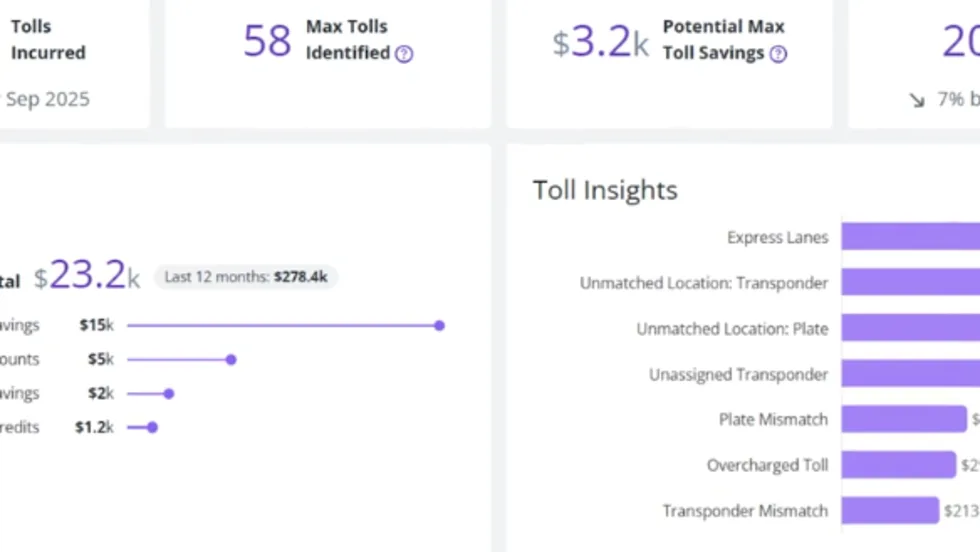
PrePass Intelligence Mines Fleet Bypass, Toll and Safety Data
PrePass Intelligence helps fleets measure bypass savings, flag potential toll overcharges, and spot suspicious transactions by combining data from separate systems.
Read More →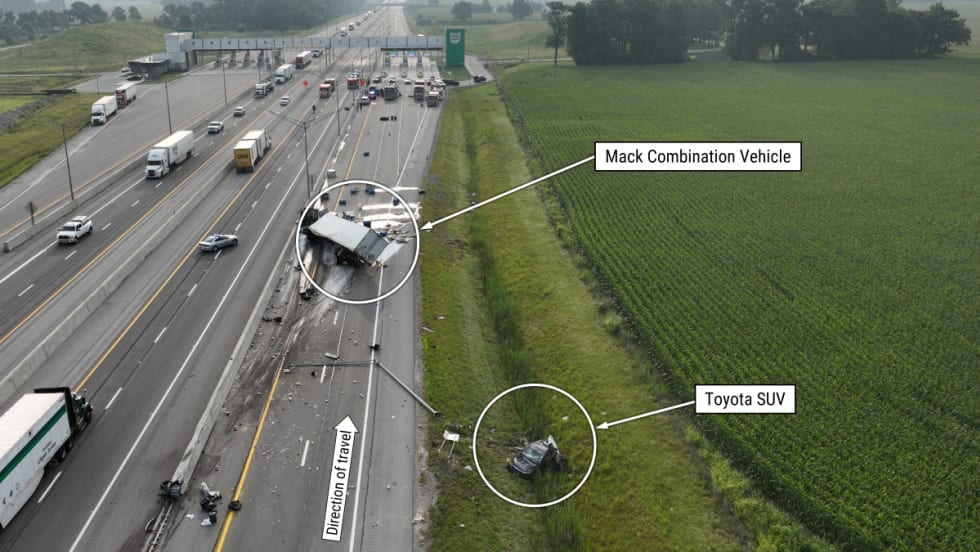
Fatal Crash Exposes Toll Plaza Risks
An NTSB investigation found that last-minute lane changes and large speed differences at an Ohio toll plaza created a hazard the truck driver couldn't avoid in time.
Read More →
When Language Stops the Truck: The Return of ELP Out-of-Service Orders
English language proficiency rules for commercial drivers aren’t new, but renewed out-of-service enforcement has raised the stakes. Here’s what carriers need to know before a driver reaches a roadside inspection.
Read More →

Sponsored•October 6, 2026
A Camera Isn't a Safety Program. Here's What Brokers Are Screening for Now
Footage alone may not be enough to pass broker vetting processes. Here's what counts as a defensible safety program now.
Read More →
Marijuana and Trucking’s Drug-Testing Dilemma
Marijuana is getting stronger, laws are changing, and drug tests still can’t reliably establish impairment. What does that mean for truck drivers and the fleets that employ them?
Read More →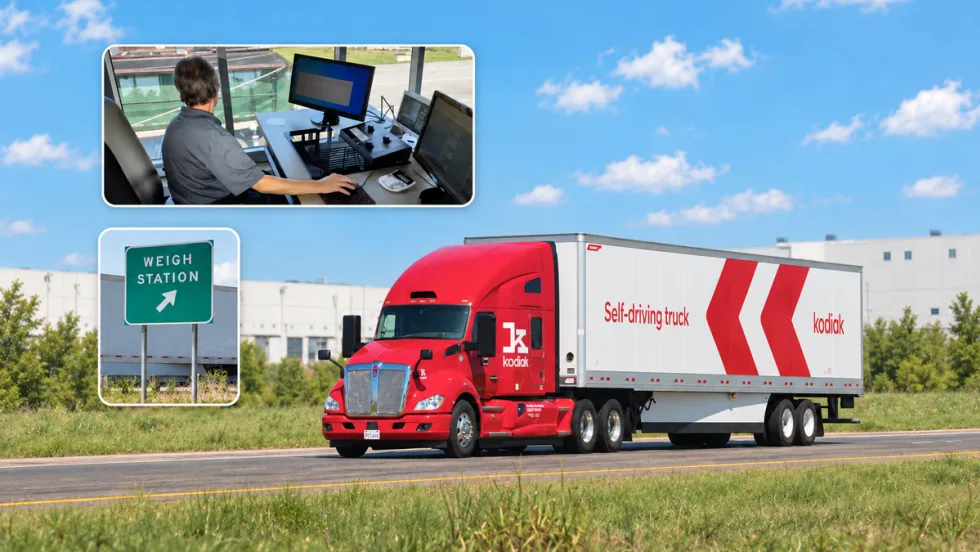
PrePass, Kodiak Connect Driverless Trucks to Roadside Enforcement
The system will allow enforcement agencies to verify Enhanced Inspection information and decide whether Kodiak’s autonomous trucks can bypass roadside screening sites.
Read More →
From One Generation to the Next: How Mentorship Builds Safer Truck Drivers
After three decades in trucking, Harold Perry shares what he's learned about driver safety, mentorship, and helping the next generation build confidence behind the wheel.
Read More →
FMCSA Pauses Biennial-Update Enforcement Amid Motus Transition
Carriers whose updates were due on or after June 1 have more time, while FMCSA works to stabilize its new registration system and warns of phishing sites impersonating its new carrier registration system, Motus.
Read More →
ZF Expands Commercial Vehicle Push in North America
ZF is expanding its North American commercial-vehicle presence with new transmission applications, electrification, trailer technology and autonomous-driving systems.
Read More →
Truck Drivers Need More Than Another Alert
Fleets have more visibility into truck health, safety events, and driver activity than ever. The next challenge is turning all that information into useful guidance for the person who has to decide what to do next.
Read More →