




Midwestern States Expand Truck Weights to Speed Disaster Relief
Transporting emergency loads during a disaster can be slowed because states have different bridge weight limits and varying regulations. Find out how these nine states are cutting red tape.

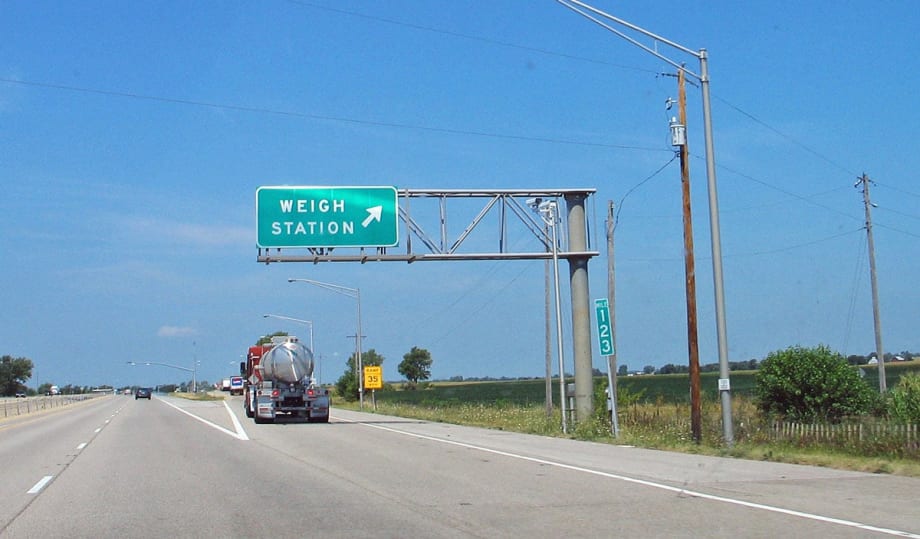
MAASTO-member states collaborated to identify acceptable emergency divisible load truck weights for disasters in the Midwest region.
Photo: Deborah Lockridge
Transporting emergency loads during a disaster can be slowed because states have different bridge weight limits and varying regulations.
The state departments of transportation comprising the Mid America Association of State Transportation Officials have agreed to expedite the movement of emergency supplies across state lines during presidentially declared major disasters.
MAASTO-member states collaborated to identify acceptable emergency divisible load truck weights for disasters in the Midwest region. Illinois, Indiana, Iowa, Kansas, Minnesota, Michigan, Missouri, Ohio and Wisconsin have agreed to the strategy. The policy expands emergency interstate truck weights from 80,000 pounds to a permitted weight of 88,000 pounds, with no more than a 10 percent increase per axle.
While this represents the base level for the region, individual states may allow heavier permitted weights.
This first-in-the-nation unified permitting approach enables better coordination of multistate transportation of critical loads, MAASTO officials said in a news release.
“We learned the importance of working regionally during the [COVID-19] pandemic and are using those lessons to be better prepared for the next disaster,” said Julie Lorenz, president of MAASTO and Kansas Secretary of Transportation. “We need to help truckers speed delivery to communities by setting the same emergency weight limits and cutting red tape before the disaster hits.”
Over $6 billion worth of goods move across MAASTO region’s freight corridors each year. By weight, 66% of all tonnage is moved on trucks across the MAASTO states, according to MAASTO.
More Fleet Management

Color Match Smarter: Tools That Restore & Perform
For fleet managers and collision repair professionals keeping heavy-duty trucks on the road, getting the color right the first time isn't just about appearance — it's about efficiency, turnaround time, and bottom-line results. Discover how today's digital color tools are transforming the repair process from guesswork to precision.
Read More →
FMCSA Pauses Biennial-Update Enforcement Amid Motus Transition
Carriers whose updates were due on or after June 1 have more time, while FMCSA works to stabilize its new registration system and warns of phishing sites impersonating its new carrier registration system, Motus.
Read More →
2026 Blueprint for Countering Smarter Supply Chain Theft
Cargo theft is no longer just the cost of doing business. It's a multi-billion-dollar criminal enterprise exploiting vulnerabilities across your fleet, drivers, and supply chain.
Read More →


How Telematics Improves Visibility, Control, and Performance in Refrigerated Fleets
Explore how telematics help refrigerated fleets improve visibility, uptime, efficiency, compliance, and cargo protection across connected cold chain operations.
Read More →
What the U.S.-Canada Trade War Means for Trucking
Escalating U.S.-Canada tariffs could disrupt cross-border freight, reduce truck volumes, raise costs, and create new uncertainty for carriers on both sides of the border.
Read More →
What Are Trucking’s Top Concerns for 2026?
The American Transportation Research Institute wants to know what's worrying trucking fleet managers, drivers, and other stakeholders in its annual Industry Issues survey.
Read More →
American Trucking Associations Looks for a New Leader
ATA President and CEO Chris Spear abruptly left his job at the association on August 21, at a pivotal time for the trucking industry.
Read More →
Public Wi-Fi Cybersecurity Risks: How Truck Drivers and Fleets Can Protect Their Data
Public Wi-Fi can expose truck drivers and fleets to credential theft, malware, and other cyber threats. Here’s how to reduce the risk on the road.
Read More →
For Nicky Cupp, Fleet Innovation Starts With Frustration
HDT Truck Fleet Innovator Nicky Cupp turns everyday pain points at Fraley & Schilling into opportunities for better technology and smarter processes.
Read More →
Adam Buttgenbach’s Approach to Electric Trucks: Start With Where They Fit
HDT Truck Fleet Innovator Adam Buttgenbach helped PepsiCo build one of North America’s largest EV fleets by focusing on where electric trucks make operational sense.
Read More →