




NACFE: Electric Trucks Deliver
The North American Council for Freight Efficiency conducted a real-world study of electric truck fleet operations and found them to be a viable and effective alternative to gasoline- and diesel-powered commercial vehicles.
January 24, 2022


According to the North American Council for Freight Efficiency, its recently concluded Run On Less Electric vehicle trials proved that commercial electric vehicles are ready to go to work in real-world fleet operations.
File Photo: Freightliner
5 min to read
The North American Council for Freight Efficiency (NACFE) has turned its “Run on Less” fleet evaluation process to the new generation of commercial battery-electric vans and trucks in North America fleet operations.
Beginning in September of last year, NACFE engineers and analysts began evaluating 13 electric fleet operations around the country, in applications ranging from electric terminal tractors, to Class 4 and Class 5 delivery vans up to Class 8 electric tractor-trailers running regional haul routes. The actual Run on Less evaluation consisted of a three-week, real-world battery-electric truck demonstration, which NACFE Executive Director Mike Roeth said proved that four market segments — vans and step vans, medium-duty box trucks, terminal tractors, and heavy-duty regional haul tractors — are ready to go electric. And that if they did, he added, U.S. and Canadian fleets could eliminate about 100 million metric tons of CO2 emissions annually.
The 13 fleets that participated in Run on Less Electric, and the vehicles they operated, were:
Anheuser-Busch with a BYD tractor
Frito-Lay with a Cummins box truck
Penske with a Freightliner eCascadia
NFI with a Kalmar Ottawa electric terminal tractor
DHL with a Lightning eMotors van
Day & Ross with a Lion6 electric truck
Ryder with a Lonestar Specialty Vehicles terminal tractor
Purolator with a Motiv-Powered step van
Ruan with an Orange EV terminal tractor
Biagi Bros. with a Peterbilt 579EV
Roush Fenway Racing with a Roush CleanTech truck
NFI with a Volvo electric VNR
Servall Electric with a Workhorse C1000
These vehicles made their regular deliveries over a three-week period in September 2021 in a variety of regions across the U.S. and Canada.
One major finding from Run on Less-Electric that Roeth points to is the current confusion regarding how fleets can understand energy consumption by electric trucks – a vastly different function than simply watching a fuel gauge wind down toward empty.
“Energy consumption is the inverse of efficiency,” Roeth explained. “In battery-electric vehicles, the fuel efficiency metric often reported is kilowatt hours expended per mile (kWh/mi). This is not efficiency but rather consumption. NACFE did not directly report consumption through the Run on Less-Electric metrics dashboard, but it was feasible to estimate it from the data that was provided based on the specifications of the vehicles, the miles traveled per day, and the state-of-charge data. NACFE found that there are multiple ways to measure consumption — daily charge method, net charge method, daily consumed method, and net consumed method — and they may differ in values.”
Other prominent findings from Run on Less Electric include:
Early adopters of commerical battery-electric vehicles are validating an acceptable total cost of ownership in urban medium-duty vans and trucks, terminal tractors and short heavy-duty regional haul applications.
Adoption of battery-electric vans and trucks is occurring throughout North America, but use of longer-haul heavy-duty-electric semi truck use has been somewhat limited to California.
There are benefits to battery-electric vehicles (quiet operation and reliability) as well as challenges (infrastructure and range).
The battery-electric truck ecosystem is in its early stages with many solutions emerging that will support adoption in the next several years.
The industry needs to develop standards in the areas of charging, repair, maintenance and training.
There is a huge demand for real-world information on electric vehicles in commercial applications and on charging infrastructure.
The mix of startups, traditional truck OEMs, and component manufacturers is expediting the development of creative and practical solutions.
More thought is needed on the best way to gather and manage the necessary data for fleets and manufacturers to measure and monitor their electric trucks and vans.
Early adopters of commerical battery-electric vehicles are having an influence on improving trucks and infrastructure.
Battery-electric trucks and vans present operational challenges, for example longer charging times than fueling, which these fleets are working to mitigate.
Be Flexible When Considering Electric Vehicle Options
Roeth says that due to the limited availability of electric vans and trucks, and the lack of sustained operational data regarding their use, NACFE was unable to shine light on some aspects of their use. This included long-term maintenance costs (which Roeth notes are widely believed to be significantly lower than those for diesel- and gasoline-powered vehicles) and total cost of ownership calculations.
However, NACFE was able to come away with some important findings for fleets considering experimenting with or adopting electric vehicles in the future. Among the more important points, NACFE analysts recommend:
Explicitly knowing and understanding your duty cycles, range requirements, dwell time, and other operating requirements.
Choosing battery capacity and charging based on those duty cycles with some safety factors to account for battery aging (since battery replacement costs are currently high).
If possible, consider choosing electric vehicles with duty cycles that reduce risks from range anxiety, and will allow keeping battery use above 50% state of charge each shift.
Understand that both regenerative braking and opportunity charging can reduce demands for grid energy or conversely help in range extension.
Use managed charging to minimize electricity demand and cost. This means charging at nights or during off-peak usage times to insure a lower rate and ample current availability.
Understand that there are many opportunities in the fleet-utility relationship to negotiate net electricity pricing models for more favorable off-peak rates.
According to Roeth, Run on Less Electric demonstrated that the technology is mature enough for fleets to be making investments in the production of commerical battery-electric trucks and vans. Continuous improvement is expected to be rapid as these technologies gain market share. The environmental benefit of reduced CO2 and particulate emissions is significant for replacing traditional diesel and gasoline-based vehicles, he said.
Additionally, Roeth said NACFE’s hope is that Run on Less Electric will encourage fleets to explore the deployment of commercial battery-electric vehicles in operations where they make sense, for manufacturers to improve their products for quicker return on investment, and for others to better support the efforts of the trucking industry to progress the use of commerical battery-electric trucks and vans
More Fuel Smarts
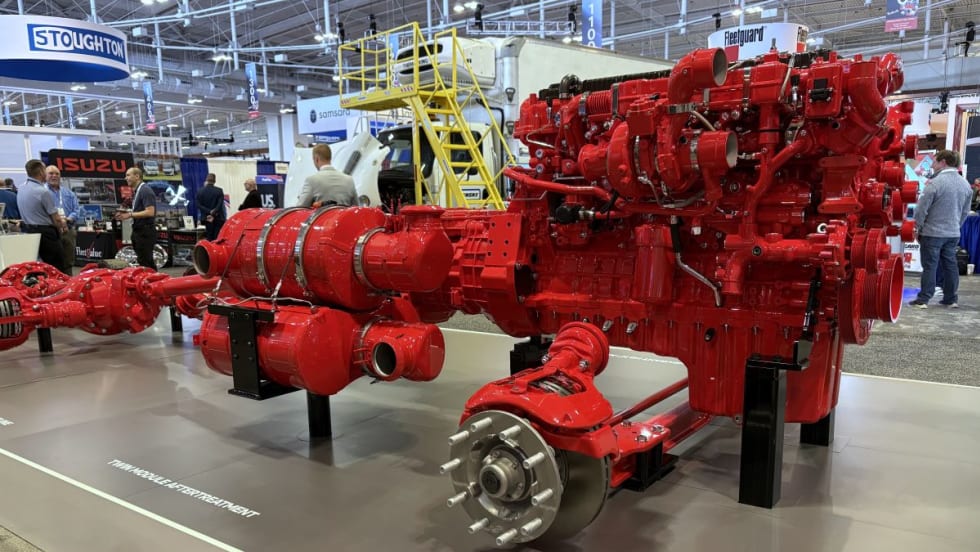
Cummins Adjusts 2027 Engine Rollout After EPA Proposal
The engine maker will gradually introduce its new Model Year 2027 diesel engines while continuing to offer current models during the transition, citing the EPA's proposed emissions rule changes.
Read More →
EPA Proposal Could Ease 2027 Truck Costs and Buying Uncertainty
The proposal doesn't change the tougher NOx standard, but it would revise key implementation requirements that manufacturers say have driven up costs and complicated fleet purchasing decisions.
Read More →
Cummins, Paccar Ease DEF Derates After EPA Guidance
Updated diesel engine software gives truck operators more time to address emissions-system issues while staying compliant with EPA emissions standards.
Read More →
Maintenance in the Messy Middle Part 3: Biodiesel
Biodiesel can reduce emissions, improve fuel-system lubricity and use existing diesel infrastructure. But NACFE’s Messy Middle maintenance report says fleets must actively manage storage, cold-weather operation, filters and oil drain intervals to avoid problems.
Read More →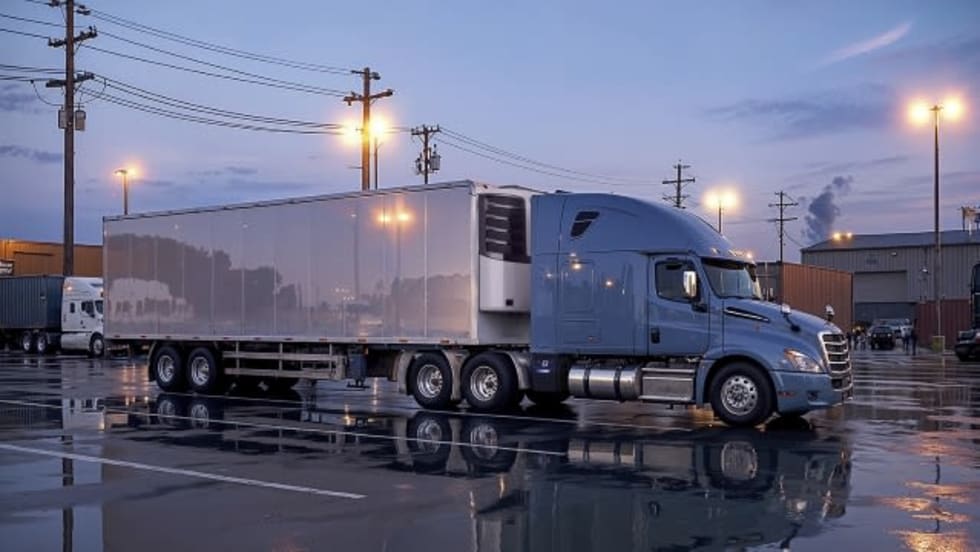
Sponsored•July 1, 2026
Enhance Fleet Performance with High-Efficiency Auxiliary Power Units
Drive sustainable cost savings while increasing driver comfort during short- and long-haul logistics operations.
Read More →
Maintenance in the ‘Messy Middle’ Part 2: Renewable Diesel Fuel
NACFE's latest Messy Middle Powertrain Service & Maintenance report says renewable diesel gives fleets an opportunity to reduce carbon emissions without changing trucks, fueling infrastructure or maintenance practices. But technicians still need to understand several important operational differences.
Read More →
The Diesel Engine Enters NACFE’s ‘Messy Middle’
NACFE’s new Messy Middle Powertrain Service & Maintenance report says keeping modern diesel engines running now depends as much on software, diagnostics and data as traditional mechanical service.
Read More →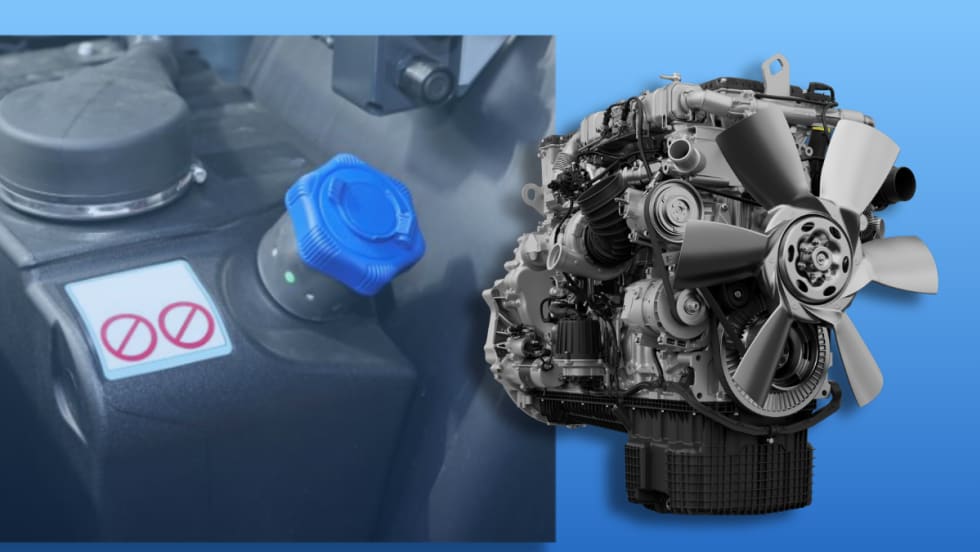
DTNA Software Update Gives Truckers More Time Before DEF Derates Take Effect
The changes reflect EPA guidance aimed at reducing downtime caused by emissions-system faults while maintaining compliance requirements.
Read More →
New Agentic Predictive Maintenance Report Demonstrates How Degraded Aftertreatment Systems Waste Fuel
Questar analyzed a large mixed-class fleet and discovered it was wasting as much as $30 in fuel per vehicle, per day, because of mechanically degraded aftertreatment systems.
Read More →
New York City's Microhub Project is Delivering Results
Trucking, last-mile delivery companies, and environmental advocates like what they are seeing so far with New York's microhub program.
Read More →