




SEA Electric Expands U.S. Growth
By adding further assembly capability in the U.S., SEA Electric has created the potential to assemble approximately 60,000 electric trucks per year.

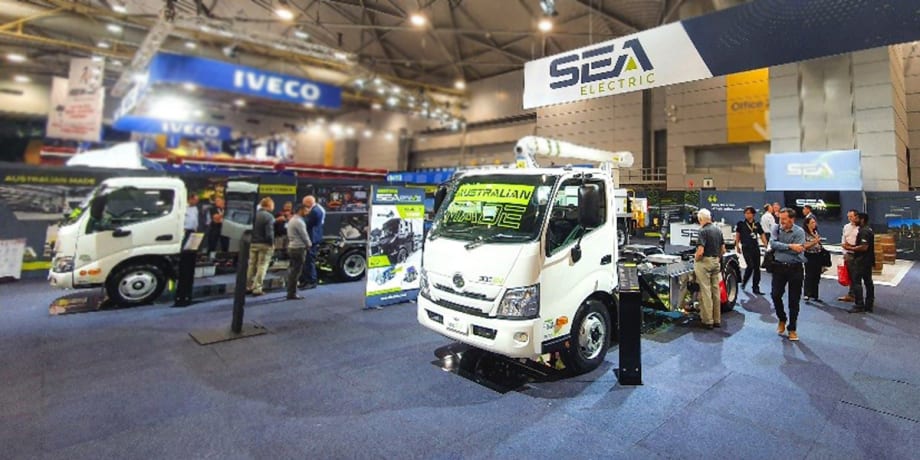
By adding further assembly capability in the U.S., SEA Electric has created the potential to assemble approximately 60,000 electric trucks per year.
Photo: SEA Electric
On the heels of a recent $42 million investment, SEA Electric is adding electric vehicle assembly capabilities in the U.S.
While SEA Electric’s roots originate in Australia, along with various manufacturing and technology capabilities, the company’s has U.S. upfitting facility locations in Illinois, Michigan, North Carolina, Indiana and California. California also recently became the new home for SEA Electric’s headquarters.
By adding further assembly capability in the U.S., the company has created the potential to assemble approximately 60,000 units per year. The company also has plans to expand its batter assembly capabilities, and will add a technical center in Des Moines, Iowa, and offices in Chicago, Brooklyn, New York, and Miami before August, SEA Electric officials said in a press release.
SEA Electric purchased 1,000 electric vehicle batteries from Soundon New Energy Technology to support the company’s SEA-Drive 70, 100, and 120 major power-system models. Most of the initial units are slated for the United States.
According to SEA Electric President and Founder Tony Fairweather, SEA Electric has not only created a low-cost delivery solution, but also developed a medium voltage/lightweight power system with performance outcomes that exceed the internal combustion engine equivalent.
“Our own SEA-badged trucks – including the SEA 300 and SEA 500 in Australia – are derived from OEM semi knock-down kits, creating further efficiencies to pass on to our customer base whilst supporting rapid OEM expansion into this segment,” said Fairweather.
SEA offers three medium-size electric truck models through a dozen authorized dealers in Australia, while more than 220 U.S. dealers are available to support the North American market needs.
Using Glider Kits for Electric-Truck Assembly
SEA Electric’s Glen Walker, vice president of the Asia Pacific, explained the commercial arrangement as a semi knock down (SKD) assembly operation – creating SKD glider kits – a three-way process that begins with the cab, frame rails, wheels and axle components arriving in Australia, within containers from Japan, and upon arrival being assembled to provide a rolling chassis to support the appropriate proprietary SEA-Drive power-system to create a completely assembled SEA Electric-branded vehicle. The vehicles are then ready for distribution.
“Our agreements in the U.S. go one step further,” said Walker. “We are utilizing SKD and local glider assembly to set the benchmark for ongoing programs in North America and other SEA Electric markets around the world.”
When containers in the United States arrive for SKD assembly, all electrification is then performed by authorized upfitters, solely using SEA-Drive power-system technology and branding. The process of building the trucks from SKD kits or glider chassis provides multiple advantages over the retrofit option, including lower cost, quicker build times and less waste, SEA Electric officials said.
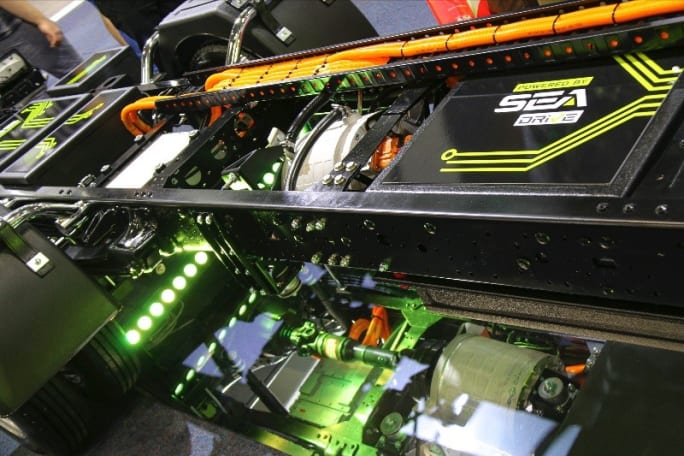
SEA Electric’s proprietary SEA-Drive power-systems come in a variety of configurations for all-electric models with a GVM range of 9,990 lbs. to 57,500 lbs. GVWR.
Photo: SEA Electric
SEA Electric’s proprietary SEA-Drive power systems come in a variety of configurations for all-electric models with a GVM range of 9,990 lbs. to 57,500 lbs. GVWR.
Each are designed for 3,000 charge cycles based on a full overnight charge, if applied five days per week, and can result in optimum performance for 10 years.
More Fuel Smarts
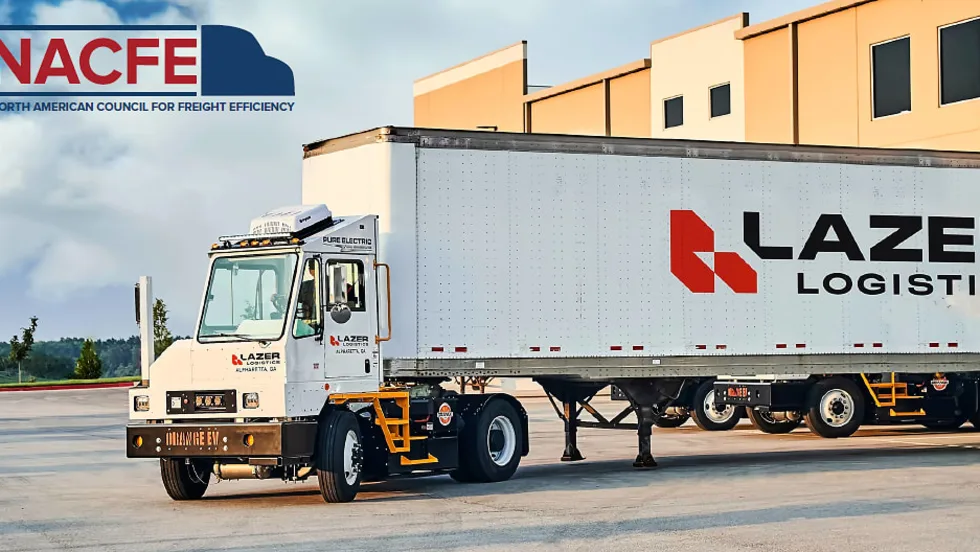
Electric Yard Tractors Move Beyond Pilots
Operating-cost savings have overtaken sustainability goals as the leading reason surveyed fleets are adopting battery-electric terminal tractors, according to new NACFE research.
Read More →
Geotab Links Fleet Card to Vehicle Data
The new card combines fuel discounts with telematics-based purchase controls. Geotab’s analysis also points to potential savings from choosing lower-priced fuel stops.
Read More →
Fleet Economics Shape Electric Truck Outlook
ACT Research expects costs, charging infrastructure, and technology improvements to drive zero-emission commercial vehicle adoption as federal regulations and incentives retreat.
Read More →

Wex Adds Cardless Fuel Payments for Over-the-Road Customers
A new fuel card feature for Wex customers offers convenience and security.
Read More →
New California Law Could Shed Light on Electric Truck Prices
Why do battery-electric Class 8 trucks remain so expensive? A California bill signed by Gov. Gavin Newsom would give fleets and state agencies more visibility into what manufacturers charge.
Read More →
How Volvo Updated Its D13 for EPA 2027 [Watch]
Volvo’s updated D13 promises lower emissions without sacrificing performance or fuel economy. Take a closer look at what changed inside the engine in this HDT Spotlight video.
Read More →
Diesel Price Spike Shortens Payback for Natural Gas Trucks, Report Says
Energy Vision estimates fleets could recover the higher purchase price of an RNG-fueled Class 8 tractor in 1.3 to 2.8 years under current fuel-price scenarios.
Read More →
Calstart Becomes Catalyst Mobility, Reflecting Broader Focus
Calstart is now Catalyst Mobility, reflecting the nonprofit’s growing national role in clean transportation, including zero-emission trucks, infrastructure and incentive programs.
Read More →
Record Diesel Prices Squeeze Trucking Fleets
Average U.S. diesel prices have climbed to nearly $6 a gallon, surpassing the 2022 record as tight refinery capacity and Middle East disruptions keep fuel costs elevated.
Read More →
How Fuel Delivery Shapes Engine Performance
Fuel delivery depends on more than what happens at the injector. For fleet, maintenance and technical professionals, looking at the full path from pump to injector can provide useful context for understanding engine performance.
Read More →