




NACFE Adds Autonomous Trucking Insight to Website
The North American Council for Freight Efficiency has introduced a new series of papers designed to help fleet executives prepare for the eventual deployment of autonomous trucks.

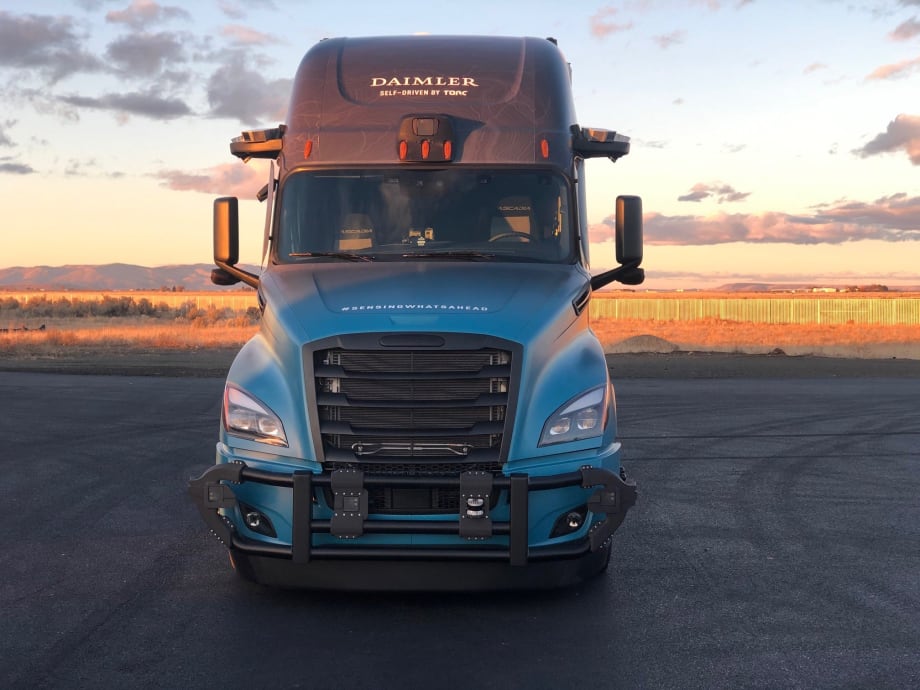
A new portal on the NACFE website will help fleets track and prepare for autonomous truck technology as it emerges.
Photo: Jack Roberts
Given the far-reaching and potentially disruptive effects the autonomous movement of goods will have on the trucking industry, the North American Council for Freight Efficiency has begun exploring the subject of autonomous trucking, publishing a series of articles on its website under the banner NACFE’s Perspective on Autonomous Trucking.
Departing from its usual approach to subjects via Confidence Reports and Guidance Reports, NACFE said, it is presenting thought leadership pieces to open a dialogue with the industry on autonomous trucking. Confidence Reports are designed to help scale existing technology and Guidance Reports focus on emerging technologies.
“When it comes to autonomous trucking, we are in the nascent stages of its development, and there is not enough data for us to issue a Guidance Report,” said Mike Roeth, NACFE’s executive director. “Although as we see the technology develop, we will engage a study team and explore the topic in-depth.”
In 2016, NACFE published a Confidence Report on Two-Truck Platooning, which is a technology along the pathway to fully autonomous trucking. The group expects to update this report in early 2021.
With the help of trucking journalist and freight futurist Jack Roberts, NACFE has compiled a series of brief papers on various aspects of autonomous trucking. The site update launched with three such papers:
The Age of Automated Logistics Arises
The Five Forces Driving Disruption in Trucking Today
Distribution Yards — An Early Autonomous Test Bed
Content will be added to the web page on a regular basis as more developments in autonomous trucking emerge, both from Roberts and other authors.
“If there is an aspect of autonomous trucking you would like to see us address, please let us know,” said Denise Rondini, NACFE’s communications director. “We want to make this section of our website as robust as possible. Our attempt with this project is not to be all-inclusive, but rather to try to shed some light on the subject of autonomous trucking and begin to have meaningful dialogue with industry stakeholders and others outside of trucking who have an interest in furthering the automation of trucking.”
Full Disclosure: Jack Roberts is a trucking journalist who serves as senior editor for HDT along with independent projects for clients such as NACFE.
More Fleet Management
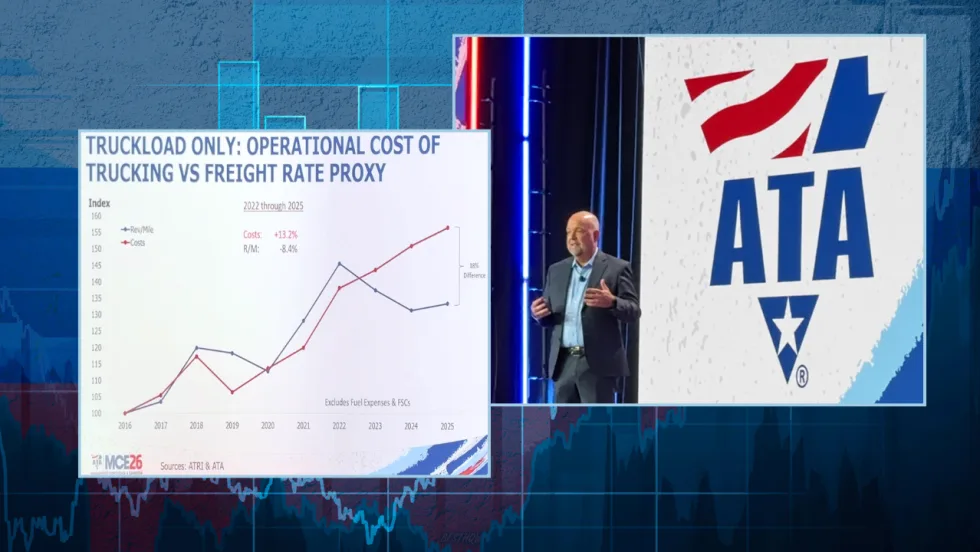
Why This Trucking Recovery Is Different
Freight demand remains sluggish, but rising costs and tougher enforcement have taken enough capacity out of the market to change the outlook for motor carriers.
Read More →
Platform Science Adds Dispatch and Safety Tools
Four additions to PS Fleet help fleets monitor loads, manage driver coaching, share truck locations and adjust video system settings.
Read More →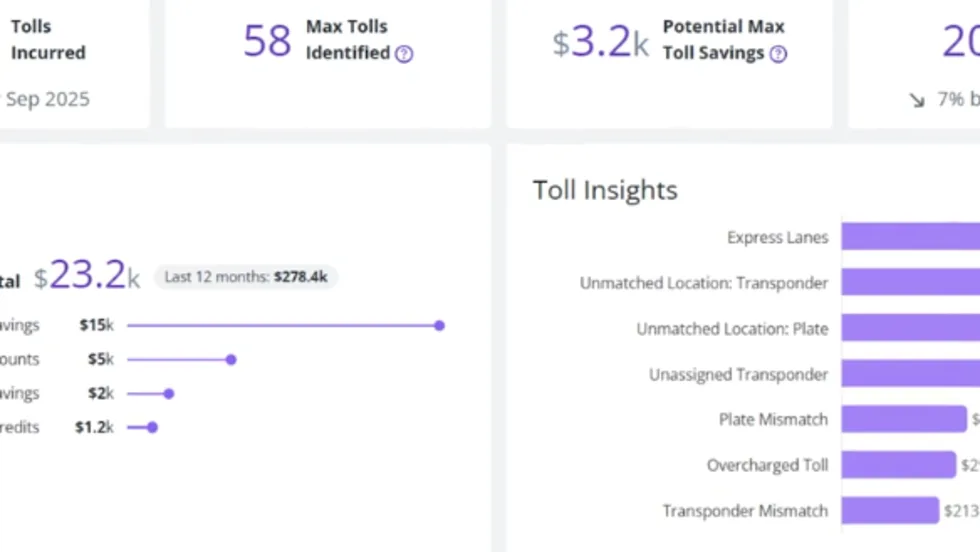
PrePass Intelligence Mines Fleet Bypass, Toll and Safety Data
PrePass Intelligence helps fleets measure bypass savings, flag potential toll overcharges, and spot suspicious transactions by combining data from separate systems.
Read More →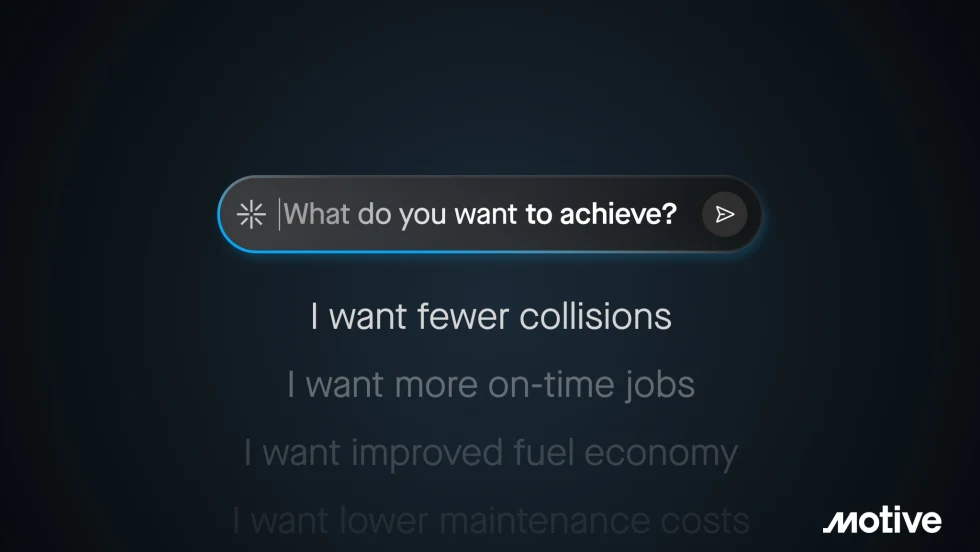
Motive Adds AI Agents for Fleet Operations
New tools automate follow-up on fleet data, from maintenance work orders to driver alerts, with two-way voice conversations planned for later this year.
Read More →
Can You Beat Our Trucking Trivia Challenge?
Test your truck knowledge with 19 trivia questions from Heavy Duty Trucking Exchange. Can you keep up with the fleet pros?
Read More →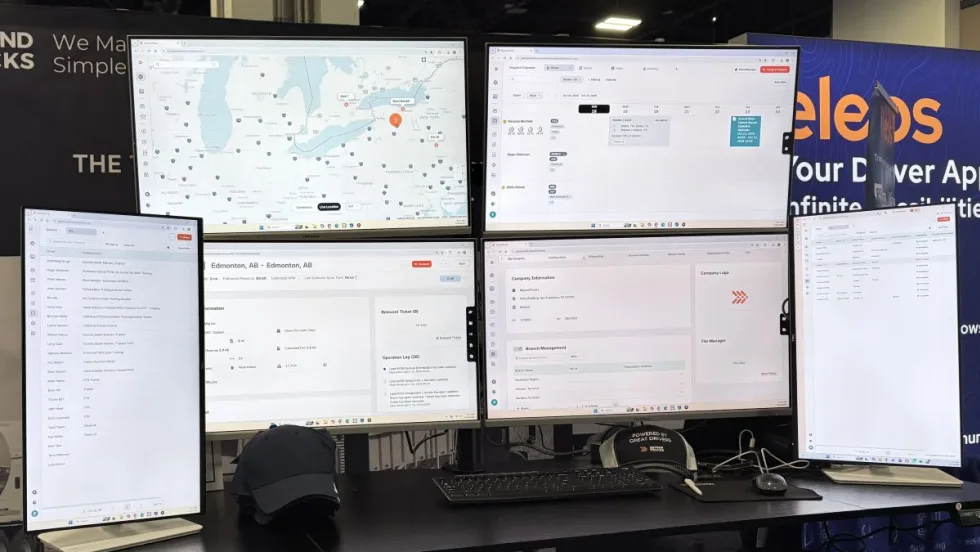
BeyondTrucks Adds Rules Checks to Dispatch
New Compatibility Engine checks driver qualifications, equipment requirements and fleet policies before loads are dispatched.
Read More →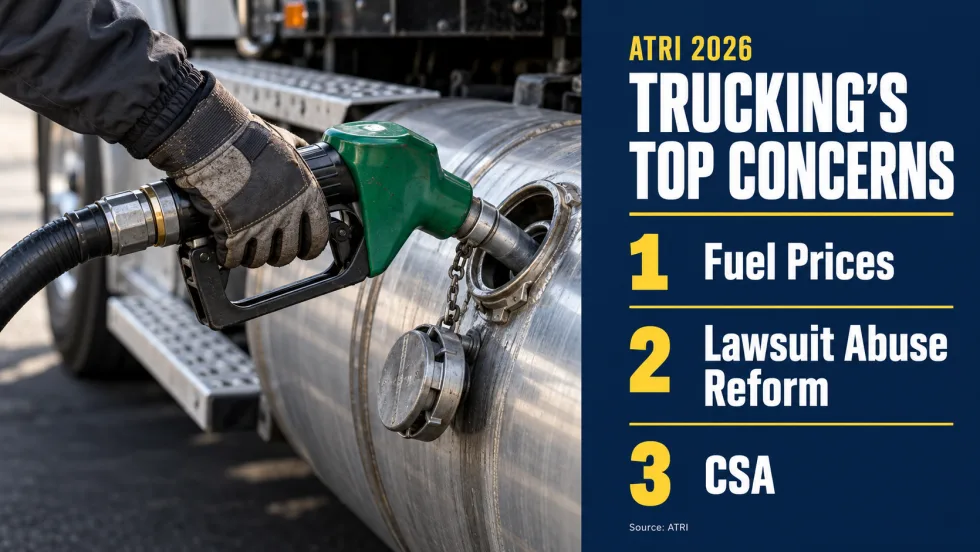
Diesel Prices Hijack Trucking’s Worry List
ATRI’s annual survey finds cautious optimism about freight, but diesel costs, litigation, and insurance continue to squeeze fleets. Drivers have different priorities on several issues.
Read More →
Nomination Deadline Extended for HDT Emerging Leaders
Just a few more days to nominate accomplished trucking fleet professionals under 40 who are making an impact and helping lead the industry forward for the HDT Emerging Leaders award. Deadline extended to October 20!
Read More →
What Will ATA’s New Leader Bring to Trucking's Table?
Incoming President and CEO Mark Colson’s record in Alabama offers clues about his priorities and approach following Chris Spear’s abrupt departure as the head of the American Trucking Associations.
Read More →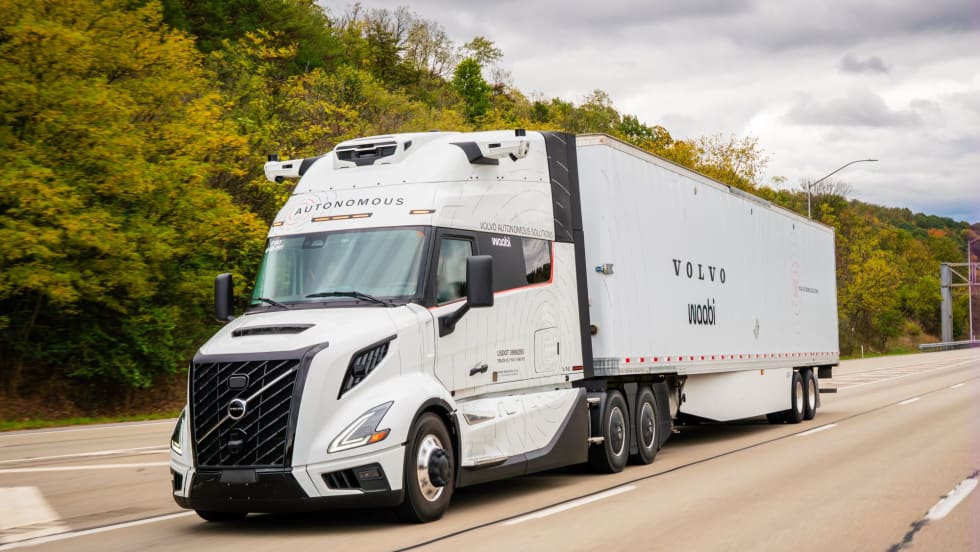
Volvo, Waabi Start Commercial Autonomous Operations in Texas
Volvo VNL Autonomous trucks, powered by the Waabi Driver, are hauling freight directly to third-party facilities for a customer in Texas.
Read More →