




TuSimple's New Autonomous Freight Network Lays Groundwork for Self-Driving Trucks
Autonomous trucking technology company TuSimple announced the launch of its Autonomous Freight Network, which it says will lay the groundwork for self-driving trucks to become commercially available by 2024.


TuSimple's autonomous technology uses lidar and radar, and high-definition, long-range cameras, along with deep learning.
Photo: TuSimple
Autonomous trucking technology company TuSimple has teamed up with UPS, Penske Truck Leasing, U.S. Xpress, and McLane to launch the Autonomous Freight Network, which it says will lay the groundwork for self-driving autonomous trucks to become commercially available by 2024.
The Autonomous Freight Network consists of autonomous trucks, digital mapped routes, strategically placed terminals, and TuSimple Connect, a proprietary autonomous operations monitoring system.
The Autonomous Freight Network will roll out in three phases:
Phase I (2020-21) will offer service between the cities of Phoenix, Tucson, El Paso, Dallas, Houston, and San Antonio.
Phase II (2022-23) will expand AFN service from Los Angeles to Jacksonville and connect the East Coast with the West Coast.
Phase III (2023-24) will expand driverless operations nationwide, adding major shipping routes throughout the lower 48 states – allowing customers to use their own TuSimple-equipped autonomous trucks on the AFN by 2024.
A key part of the rollout is Chattanooga-based truckload fleet U.S. Xpress. With its 7,000 trucks operating across the country, it will provide additional lanes to help TuSimple perfect its level-four autonomous technology. With access to more Lanes, TuSimple can advance its undersanding of and refine its responses on the road. The two companies have been working together for the last two years to help define carriers’ needs for level four trucks, said U.S. Xpress President and CEO Eric Fuller. “We are interested in understanding how TuSimple technology can make our fleet safer and more fuel-efficient, as well as how it can improve the overall delivery experience for our professional drivers and customers.”
TuSimple already operates autonomously on seven routes between Phoenix, Tucson, El Paso, and Dallas. This fall, TuSimple will open a new shipping terminal in Dallas, allowing the self-driving truck company to service customers in the “Texas triangle.” The terminals are designed to give mid-sized customers access to the advantages of autonomous trucking. For high-volume customers, TuSimple will continue to map routes and deliver directly to their distribution centers.
With the Autonomous Freight Network, the company is also launching TuSimple Connect, an autonomous operations monitoring system to ensure safe autonomous operations and allow customers to track their freight in real-time.
Penske Truck Leasing, which operates more than 750 service facilities throughout North America, will help TuSimple to scale its fleet operations nationwide. Penske will also provide preventive maintenance and over-the-road service to TuSimple's L4 autonomous trucks to help keep them running day and night.
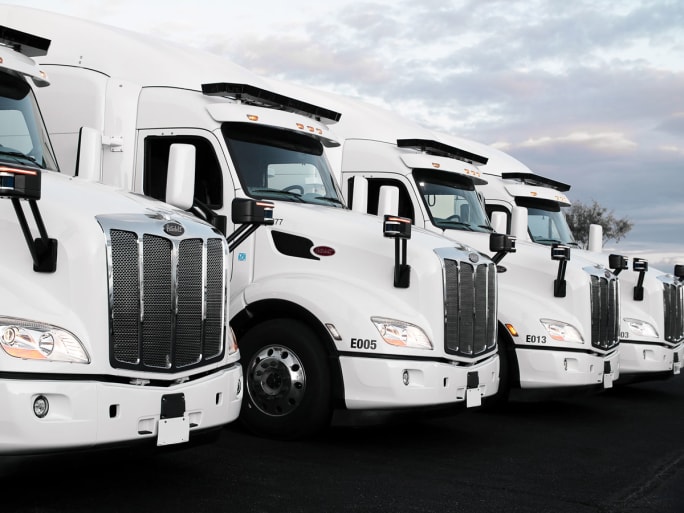
A new partnership with U.S. Xpress will build on what TuSimple is already learning from UPS and McLane as it perfects its autonomous truck technology.
Photo: TuSimple
McLane, a Berkshire Hathaway company, is one of the largest supply chain services leaders in the United States. In a YouTube video, Danny Austin, vice president of operations for McLane Food Service, explained that what the company is looking for TuSimple to help with is relieving some capacity constraints it has across the country. "It's very important that we are working with the McLane culture to understand the technology, before the the technology arrives at our doorstep and we don't understand it."
Earlier this year, TuSImple announced it had expanded its existing autonomous truck service for UPS to 20 trips per week. Last year, UPS made a minority investment in the company.
The AFN integrates with existing logistics networks and transportation management systems to enable efficient, low-cost long-haul autonomous freight operations. Additionally, TuSimple technology allows autonomous trucks to be 10% more fuel-efficient than manually driven trucks, and in the future operate continuously without hours of service limitations.
“Our ultimate goal is to have a nationwide transportation network consisting of mapped routes connecting hundreds of terminals to enable efficient, low-cost long-haul autonomous freight operations,” said Cheng Lu, President, TuSimple. “By launching the AFN with our strategic partners, we will be able to quickly scale operations and expand autonomous shipping lanes to provide users access to autonomous capacity anywhere and 24/7 on-demand.”
The company plans to replicate the strategy in Europe and Asia after the AFN rolls out nationwide.
More Fleet Management
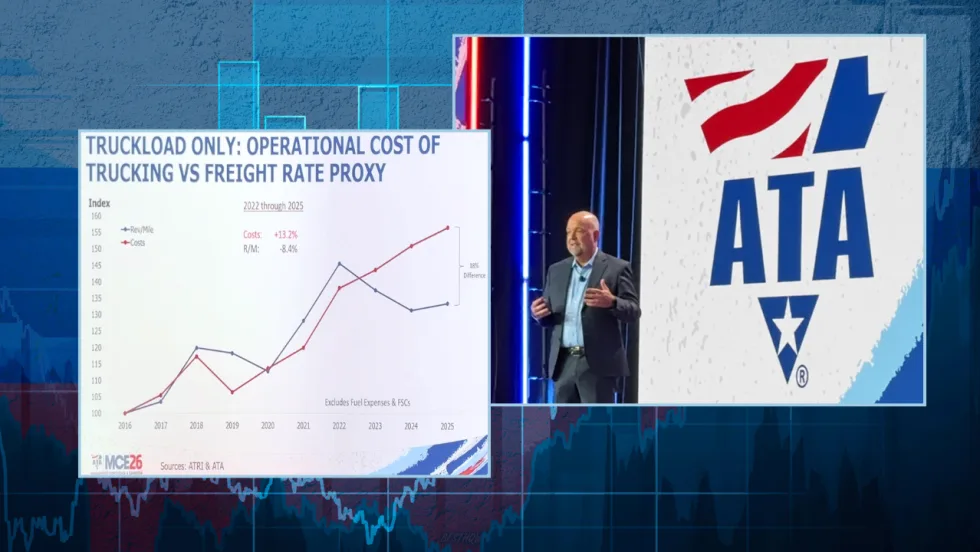
Why This Trucking Recovery Is Different
Freight demand remains sluggish, but rising costs and tougher enforcement have taken enough capacity out of the market to change the outlook for motor carriers.
Read More →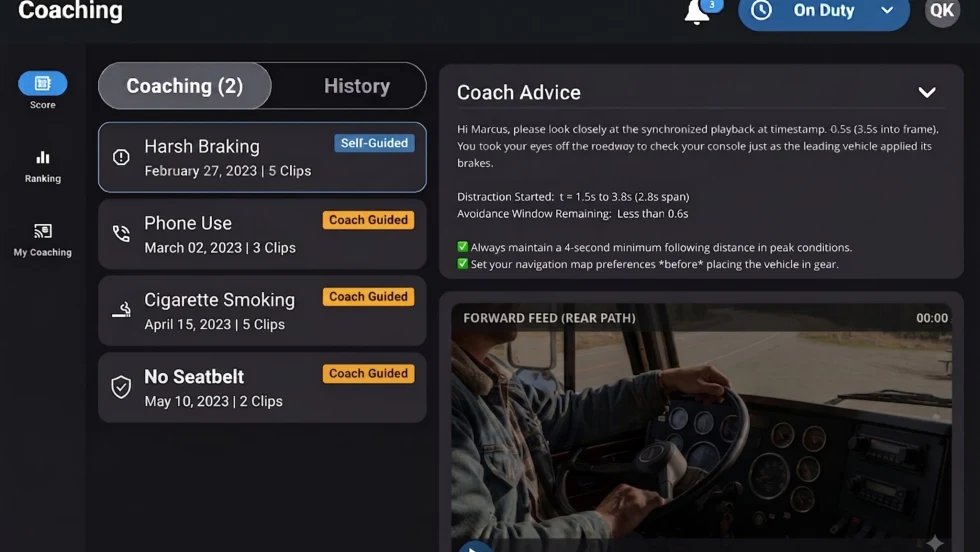
Platform Science Adds Dispatch and Safety Tools
Four additions to PS Fleet help fleets monitor loads, manage driver coaching, share truck locations and adjust video system settings.
Read More →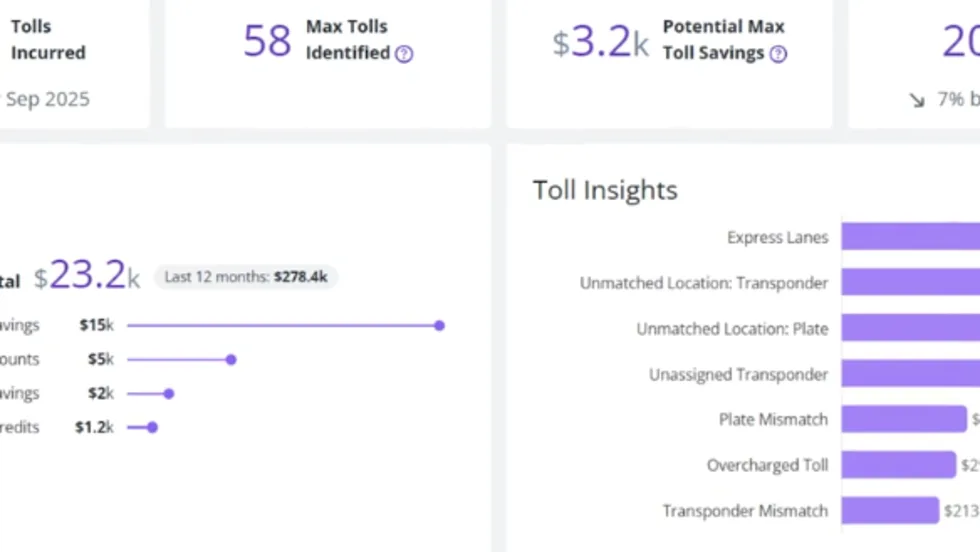
PrePass Intelligence Mines Fleet Bypass, Toll and Safety Data
PrePass Intelligence helps fleets measure bypass savings, flag potential toll overcharges, and spot suspicious transactions by combining data from separate systems.
Read More →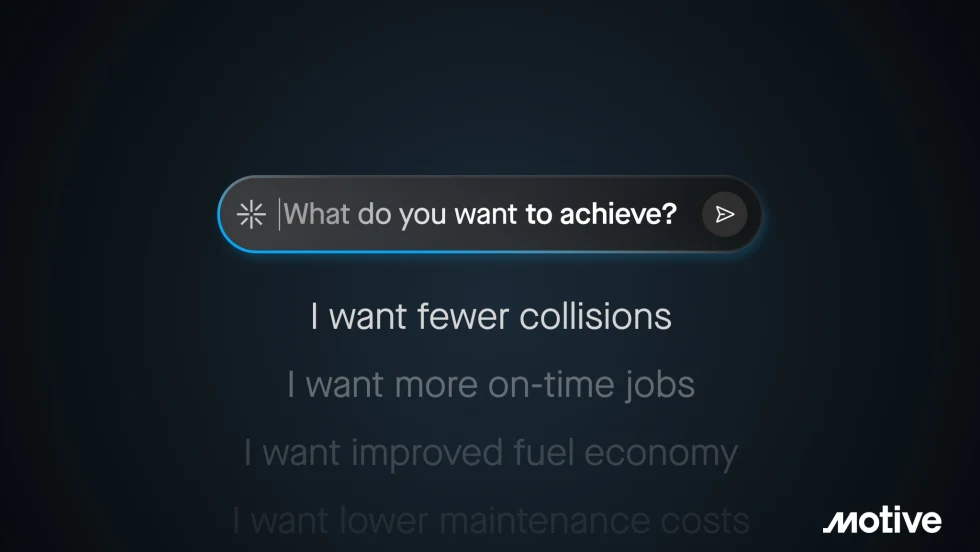
Motive Adds AI Agents for Fleet Operations
New tools automate follow-up on fleet data, from maintenance work orders to driver alerts, with two-way voice conversations planned for later this year.
Read More →
Can You Beat Our Trucking Trivia Challenge?
Test your truck knowledge with 19 trivia questions from Heavy Duty Trucking Exchange. Can you keep up with the fleet pros?
Read More →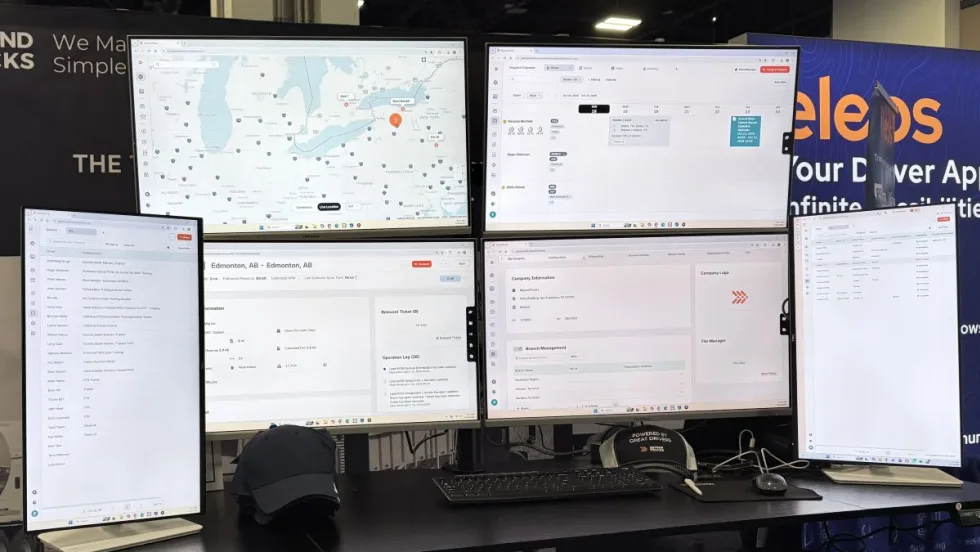
BeyondTrucks Adds Rules Checks to Dispatch
New Compatibility Engine checks driver qualifications, equipment requirements and fleet policies before loads are dispatched.
Read More →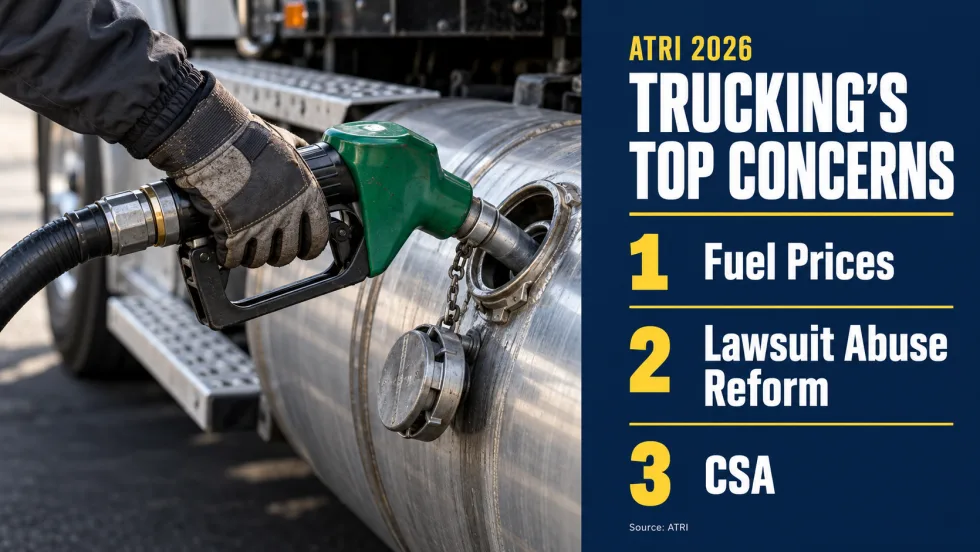
Diesel Prices Hijack Trucking’s Worry List
ATRI’s annual survey finds cautious optimism about freight, but diesel costs, litigation, and insurance continue to squeeze fleets. Drivers have different priorities on several issues.
Read More →
Nomination Deadline Extended for HDT Emerging Leaders
Just a few more days to nominate accomplished trucking fleet professionals under 40 who are making an impact and helping lead the industry forward for the HDT Emerging Leaders award. Deadline extended to October 20!
Read More →
What Will ATA’s New Leader Bring to Trucking's Table?
Incoming President and CEO Mark Colson’s record in Alabama offers clues about his priorities and approach following Chris Spear’s abrupt departure as the head of the American Trucking Associations.
Read More →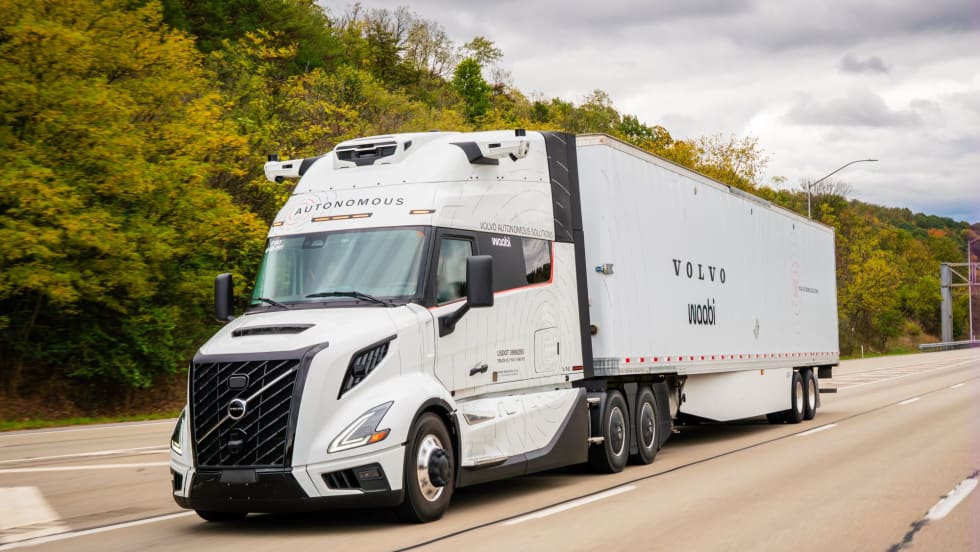
Volvo, Waabi Start Commercial Autonomous Operations in Texas
Volvo VNL Autonomous trucks, powered by the Waabi Driver, are hauling freight directly to third-party facilities for a customer in Texas.
Read More →