




Prices at the wholesale level appear under control as they fell 0.2% in April.
Friday morning the U.S. Labor Department reported the decline in their Producer Price Index, following a 1% jump in March.
Much of the drop was due to a decline in food prices, which posted their biggest fall in 28 years. When the volatile food and energy sectors are removed from the numbers, the so-called “core rate” of wholesale prices moved up by just 0.1% for the second consecutive month.
In contrast, energy prices moved up 2.5% after falling 5.5% in March.
“This news gives the Federal Reserve Board leeway to delay interest rate increases that would slow the recovery,” says Newport Communications Senior Economist Jim Haughey. Earlier this week the Fed decided to leave interest rates unchanged following speculation they might consider moving them higher.
Increased labor productivity, which has been running higher than normal due to the many jobs cuts in the past year and a half, has helped hold down the wholesale inflation rate, Haughey says. “The flip side of this coin is that it has resulted in slow job growth and a rising unemployment rate for much of this year.”
Haughey notes during April, freight rates rose after more than six months of little change. Truckload rates increased 0.6% and less-than-truckload rates were up 0.3%.
“Freight volume has picked up enough for carriers to begin to recover the higher fuel and insurance costs they incurred in the last six months,” he says.
Wholesale Prices Down, Freight Rates Up
Prices at the wholesale level appear under control as they fell 0.2% in April
More Fleet Management

The Trucking Industry’s Threat Intelligence Gap
The trucking industry has no shortage of cybersecurity reports and cargo crime statistics. What it lacks is timely, operational intelligence that fleets can actually use.
Read More →
Truck Crash Rates Are Down. So Why Do Insurance Costs Keep Rising?
ATRI’s latest research points to litigation, social inflation, and soaring claims costs as key drivers behind record-high liability premiums for trucking fleets. But there are things motor carriers can do.
Read More →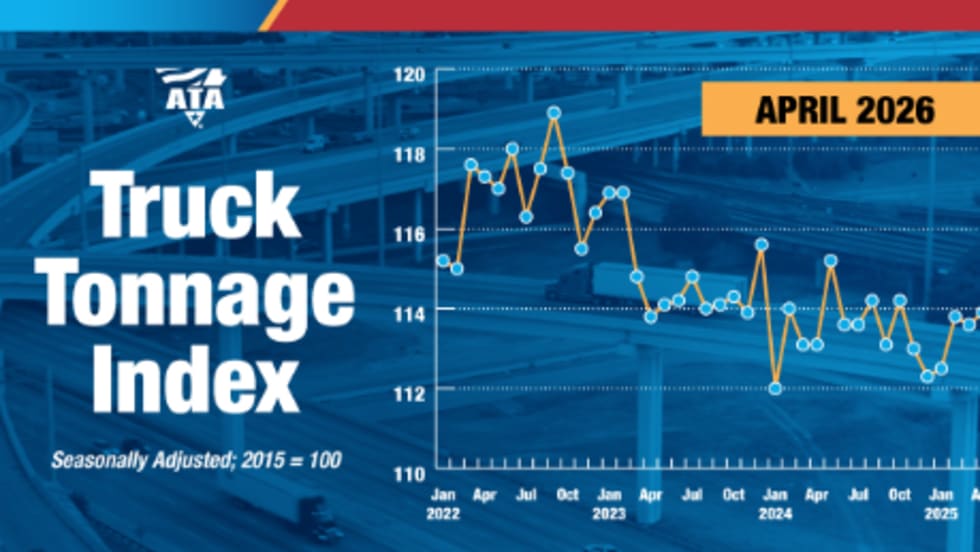
ATA Truck Tonnage Holds Steady in April at Highest Levels Since 2022
ATA’s For-Hire Truck Tonnage Index was unchanged in April after a strong March gain, with freight volumes remaining at their highest levels since late 2022.
Read More →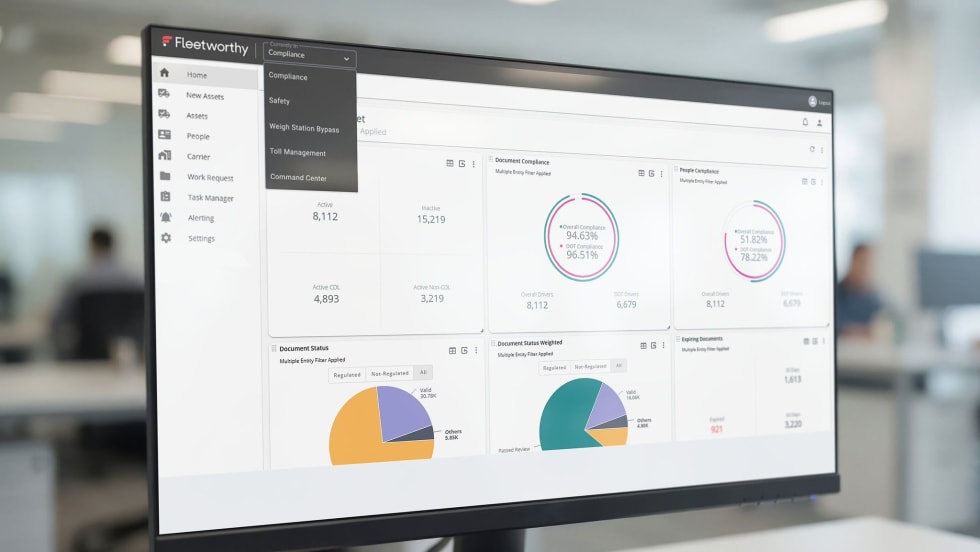
Fleetworthy Launches Connected Platform for Fleet Readiness Across Safety and Compliance, Toll Management, and Weigh Station Bypass
Fleetworthy has unveiled three major product launches it says mark a new era in fleet readiness.
Read More →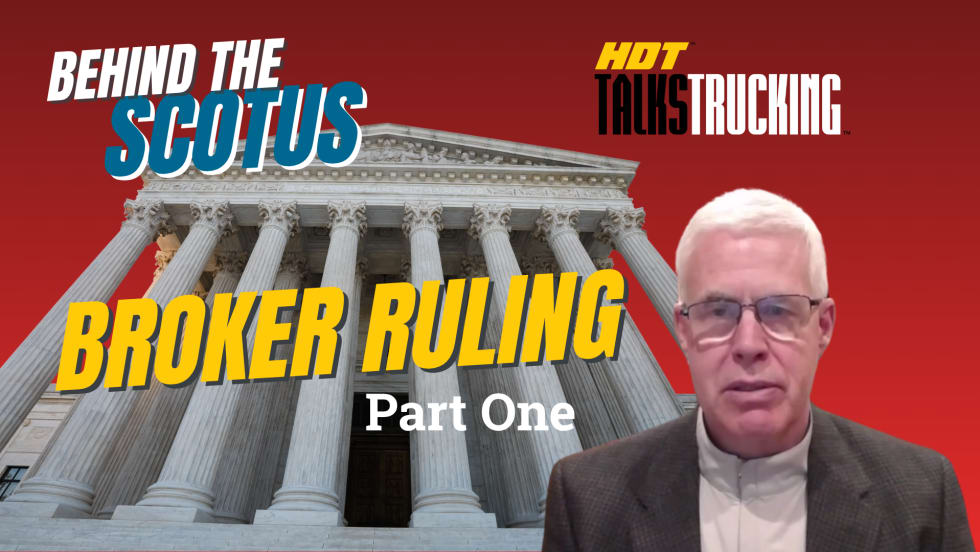
Behind the SCOTUS Broker Ruling Part 1
Transportation attorney Greg Feary breaks down the recent Supreme Court decision that brokers can be held liable for damages in truck accidents and what it means for the trucking industry going forward.
Read More →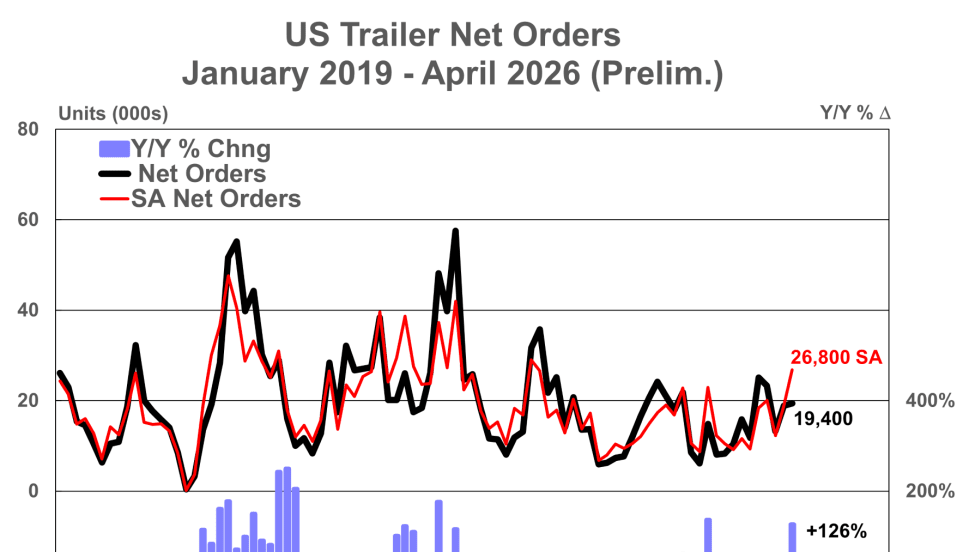
ACT Research: Trailer Orders Continue Upward Surprise in April
Preliminary net trailer orders rose 3% from March and jumped 126% year over year, signaling stronger-than-expected demand despite typical seasonal softness.
Read More →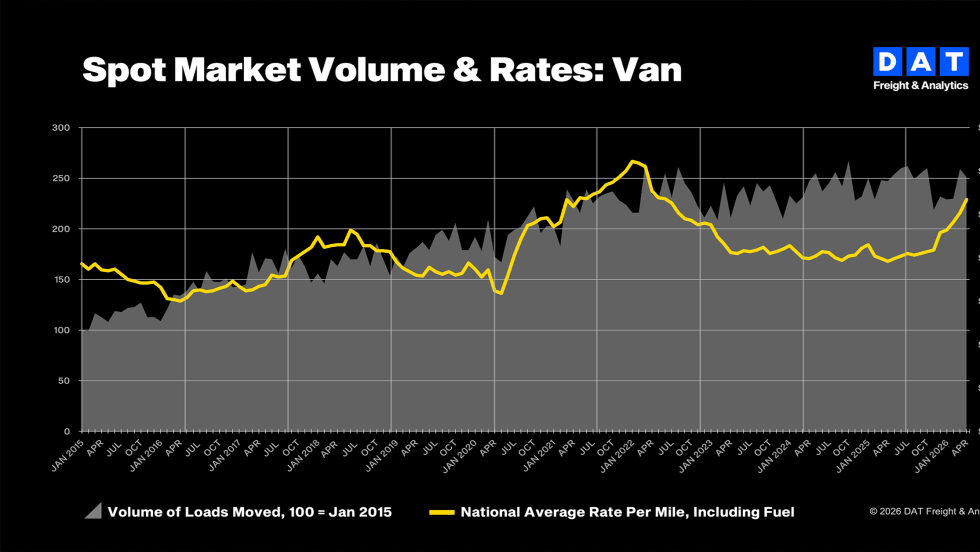
DAT: Fuel Surcharges Drive April Truckload Rate Gains as Freight Volumes Slip
Truckload spot and contract rates climbed in April. But DAT says higher fuel costs -- not stronger freight demand -- were behind most of the increase.
Read More →
Deadline Extended for HDT Truck Fleet Innovators Nominations
Heavy Duty Trucking has extended the deadline for nominations for its Truck Fleet Innovators awards. The deadline has been extended to May 22.
Read More →
Supreme Court Ruling Puts Freight Broker Vetting Practices in Spotlight
The unanimous SCOTUS ruling in the closely watched Montgomery v. Caribe case allows state negligence claims against freight brokers that hire unsafe motor carriers, raising new liability and vetting concerns among brokers.
Read More →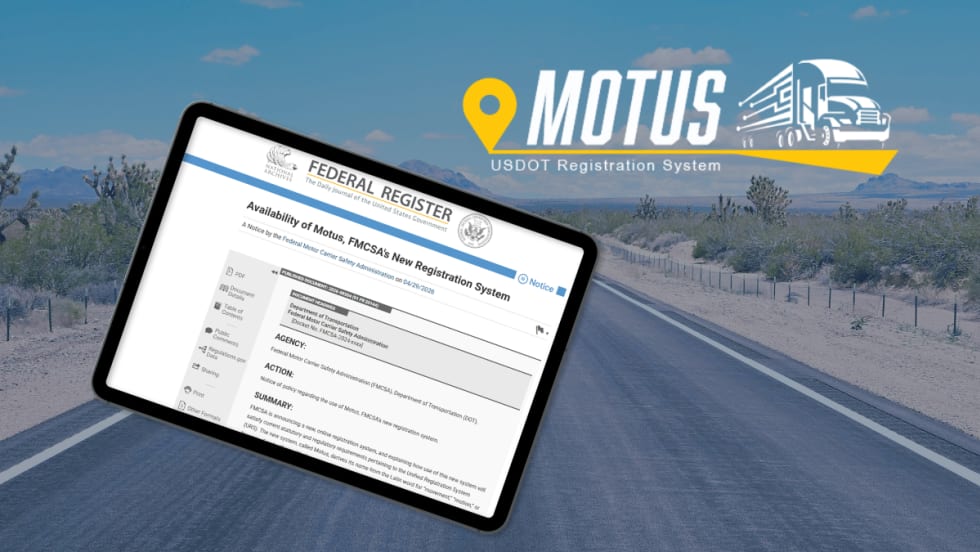
FMCSA’s Motus System Is Coming. What Fleets Need to Know Now
FMCSA's long-awaited registration system promises a single portal — and tighter fraud controls. And there are steps you need to take by May 14.
Read More →