




Water Resources Bill Passes, Ports Getting Financial Boost
Congress passed the Water Resources Reform and Development Act of 2014, providing support for port maintenance and other maritime improvements.
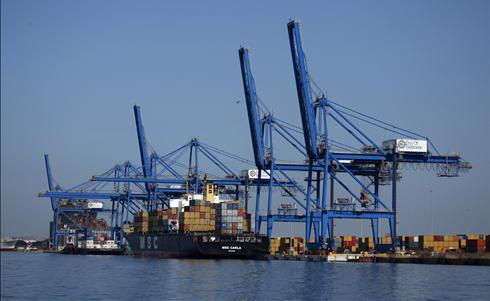
The Port of Baltimore.
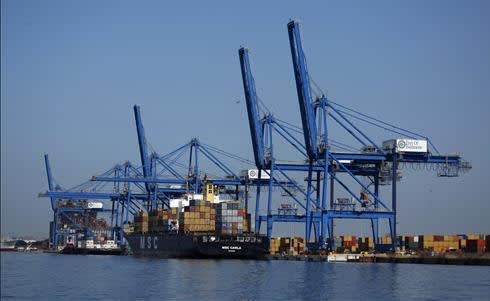
The Port of Baltimore.
Congress has passed the Water Resources Reform and Development Act of 2014, providing support for port maintenance and other maritime improvements.
The bill, which President Obama is expected to sign, was approved by wide margins in both chambers: 412 – 7 in the House and 91- 7 in the Senate.
WRRDA is seen as a boon for trucking interests that serve U.S. ports.
“It adds managerial flexibility, which then makes the ports more efficient,” said Curtis Whalen, executive director of the American Trucking Associations Intermodal Motor Carriers Conference.
The new flexibility arises from provisions that increase the ability of non-federal interests to invest in projects, and a Water Infrastructure Public Private Partnership program.
The bill also sets reforms to speed project delivery and environmental reviews. It contains no earmarks and establishes a process to prioritize development projects.
Significantly, it authorizes more spending for port maintenance and dredging. U.S. ports have been underfunded because the money collected in the Harbor Maintenance Trust Fund has not been spent. The bill sets target expenditures from the Fund that increase each year so that by 2025 all of the funds will go to operations and maintenance.
“The whole issue always has been the depth of the water around port facility or in the various channels that get you to the port,” Whalen said.
“That’s not cheap. There is a federal responsibility to match up funds with the states. It’s good to have dollars committed to something that’s urgently needed.”
Whalen said passage of the bill is a sign of hope for highway reauthorization. Congress approached the bill in a bipartisan way, an example of a more responsible way of handling infrastructure, he said.
“Anything that looks a little bit like the old way (of infrastructure legislation) is positive,” he said, referring to past days when Congress cooperated on highway bills.
“This legislation supports our water transportation network to keep our Nation competitive, improve the flow of commerce, and provide a foundation for job growth,” said Rep. Bill Shuster, R-Pa., Chairman of the House Transportation and Infrastructure Committee, a principal author of the bill.
Shuster said the bill also is the most policy- and reform-focused measure of its kind in decades, and the most fiscally responsible water resources bill in history.
“It cuts red tape, reforms the federal bureaucracy, accelerates project delivery, and more than fully offsets authorizations for needed infrastructure improvements by deauthorizing unnecessary, outdated projects.”
Rep. Nick Rahall, D-W.Va., the ranking member of the T&I Committee, noted that the bill will revitalize inland waterways and expand Buy America requirements.
On the Senate side, Barbara Boxer, D-Calif., and David Vitter, R-La., the chair and ranking member of the Environment and Public Works Committee, championed the bill.
“This legislation benefits every single American because it will help produce a more efficient maritime infrastructure that strengthens our position as a global trade leader, which will, in turn, boost America’s economy, create good jobs and aid in protecting our environment,” said Kurt Nagle, president and CEO of the American Association of Port Authorities.
More Fleet Management

Color Match Smarter: Tools That Restore & Perform
For fleet managers and collision repair professionals keeping heavy-duty trucks on the road, getting the color right the first time isn't just about appearance — it's about efficiency, turnaround time, and bottom-line results. Discover how today's digital color tools are transforming the repair process from guesswork to precision.
Read More →
FMCSA Pauses Biennial-Update Enforcement Amid Motus Transition
Carriers whose updates were due on or after June 1 have more time, while FMCSA works to stabilize its new registration system and warns of phishing sites impersonating its new carrier registration system, Motus.
Read More →
2026 Blueprint for Countering Smarter Supply Chain Theft
Cargo theft is no longer just the cost of doing business. It's a multi-billion-dollar criminal enterprise exploiting vulnerabilities across your fleet, drivers, and supply chain.
Read More →


How Telematics Improves Visibility, Control, and Performance in Refrigerated Fleets
Explore how telematics help refrigerated fleets improve visibility, uptime, efficiency, compliance, and cargo protection across connected cold chain operations.
Read More →
What the U.S.-Canada Trade War Means for Trucking
Escalating U.S.-Canada tariffs could disrupt cross-border freight, reduce truck volumes, raise costs, and create new uncertainty for carriers on both sides of the border.
Read More →
What Are Trucking’s Top Concerns for 2026?
The American Transportation Research Institute wants to know what's worrying trucking fleet managers, drivers, and other stakeholders in its annual Industry Issues survey.
Read More →
American Trucking Associations Looks for a New Leader
ATA President and CEO Chris Spear abruptly left his job at the association on August 21, at a pivotal time for the trucking industry.
Read More →
Public Wi-Fi Cybersecurity Risks: How Truck Drivers and Fleets Can Protect Their Data
Public Wi-Fi can expose truck drivers and fleets to credential theft, malware, and other cyber threats. Here’s how to reduce the risk on the road.
Read More →
For Nicky Cupp, Fleet Innovation Starts With Frustration
HDT Truck Fleet Innovator Nicky Cupp turns everyday pain points at Fraley & Schilling into opportunities for better technology and smarter processes.
Read More →
Adam Buttgenbach’s Approach to Electric Trucks: Start With Where They Fit
HDT Truck Fleet Innovator Adam Buttgenbach helped PepsiCo build one of North America’s largest EV fleets by focusing on where electric trucks make operational sense.
Read More →