




Trucker in Bourbonnais Train Wreck Well Over the Legal Driving Limit
The truck driver involved in the fatal collision with an Amtrak train in Bourbonnais, Ill., two years ago had logged 30 hours without a break, investigators said
The truck driver involved in the fatal collision with an Amtrak train in Bourbonnais, Ill., two years ago had logged 30 hours without a break, investigators said.
John Stokes told authorities he was asleep in his home the day of March 15, 1999, resting for a scheduled nighttime delivery. But investigators uncovered an unreported run he made to Ohio. After that trip the tired trucker apparently told a steel mill employee that he was battling severe fatigue. Minutes later, his loaded flatbed was struck by Amtrak's City of New Orleans train in Bourbonnais, authorities said.
The accident killed 11 and injured 122 others. A ruptured diesel tank from one of the train's engines set off massive fires.
Investigators have painstakingly reconstructed Stokes' activities that day to determine the amount of time the driver spent on duty. "The guy was driving or awake for up to 38 hours on an undocumented delivery with maybe a total of five hours off," an official told the Chicago Tribune.
Though federal accident investigators have not determined the cause of the crash, initial testing of the railroad track circuit equipment uncovered no problems. Some believe he tried to drive around the warning gates and beat the oncoming train. Missing logbook entries, witness reports and a growing paper trail of fuel receipts have cast suspicion on Stokes and established that he was overly tired when the crash occurred.
Stokes has a history of previous driving violations, which resulted in the suspension of his commercial driver's license after the crash in Bourbonnais, about 50 miles south of Chicago.
The last entry in Stokes' logbook for March 15 was at 8:15 a.m., although he
told police that he dropped off his truck at about 2:30 p.m., at the Peotone trucking company where he was employed, then drove his car to his house in Manteno to rest before having to work again later in the evening. But Illinois State Police investigators obtained a fuel receipt from the operator of a truckstop in Eaton, Ohio, that confirmed that Stokes was about 275 miles away when he told authorities he was at home.
Stokes' attorney, Leonard Sacks, wrote a letter to investigators last May saying stress and trauma from the crash caused Stokes to forget about the trip to Ohio.
Stokes gave authorities a statement after the crash but has refused to cooperate since. No charges have been filed against Stokes, but the trucker could face federal charges for falsifying log documents. If he is convicted he could face fines and/or a possible prison term. Local and state law-enforcement agencies also are considering charges.
More Safety & Compliance

FDA Eases Path for Oral-Fluid Testing
Federal actions could advance oral-fluid drug testing for truck drivers, but lab certification delays and marijuana rescheduling questions remain.
Read More →
Kodiak Lines Up Fleets for Driverless Trucking
An agreement for 75 trucks, a new Texas freight lane, and progress on safety validation move Kodiak closer to its planned driverless highway launch.
Read More →
More Trailer Data Through the Same Seven-Way [Video]
Can trucking’s standard seven-way connector handle more cameras and trailer data? Grote’s Adam Slade shows HDT how the company is using new technology with its 4See trailer system, not only to add a new backup camera but also to expand other capabilities — without adding another connection.
Read More →

PrePass Intelligence Mines Fleet Bypass, Toll and Safety Data
PrePass Intelligence helps fleets measure bypass savings, flag potential toll overcharges, and spot suspicious transactions by combining data from separate systems.
Read More →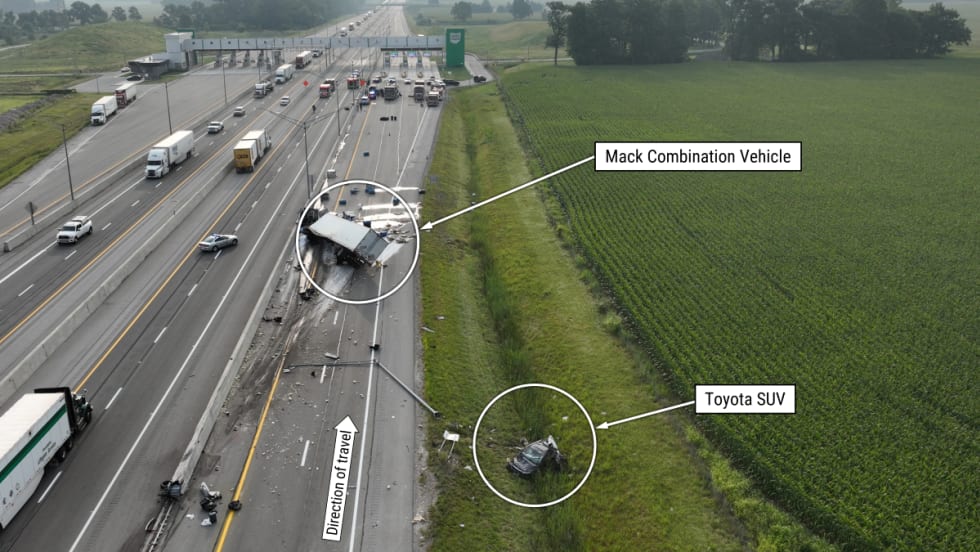
Fatal Crash Exposes Toll Plaza Risks
An NTSB investigation found that last-minute lane changes and large speed differences at an Ohio toll plaza created a hazard the truck driver couldn't avoid in time.
Read More →
When Language Stops the Truck: The Return of ELP Out-of-Service Orders
English language proficiency rules for commercial drivers aren’t new, but renewed out-of-service enforcement has raised the stakes. Here’s what carriers need to know before a driver reaches a roadside inspection.
Read More →
A Camera Isn't a Safety Program. Here's What Brokers Are Screening for Now
Footage alone may not be enough to pass broker vetting processes. Here's what counts as a defensible safety program now.
Read More →
Marijuana and Trucking’s Drug-Testing Dilemma
Marijuana is getting stronger, laws are changing, and drug tests still can’t reliably establish impairment. What does that mean for truck drivers and the fleets that employ them?
Read More →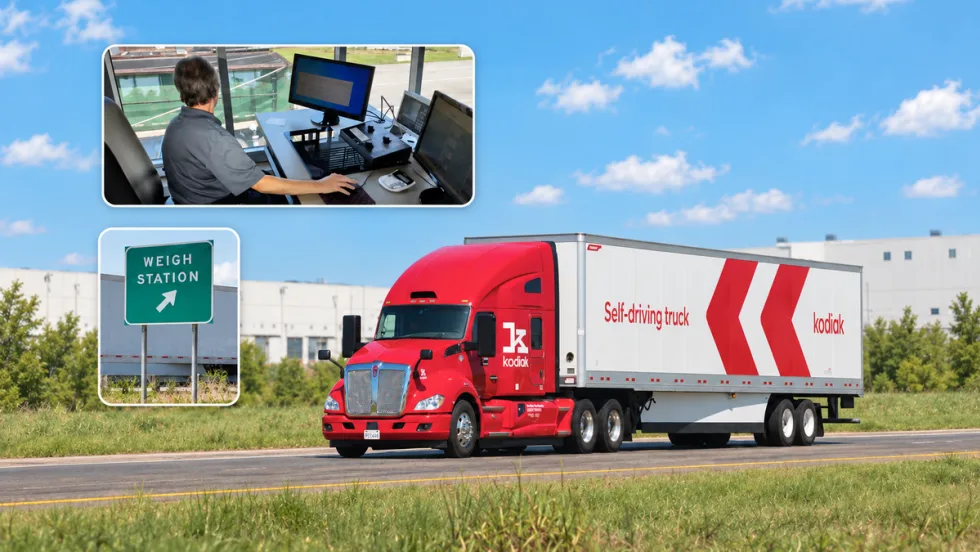
PrePass, Kodiak Connect Driverless Trucks to Roadside Enforcement
The system will allow enforcement agencies to verify Enhanced Inspection information and decide whether Kodiak’s autonomous trucks can bypass roadside screening sites.
Read More →
From One Generation to the Next: How Mentorship Builds Safer Truck Drivers
After three decades in trucking, Harold Perry shares what he's learned about driver safety, mentorship, and helping the next generation build confidence behind the wheel.
Read More →