




Truck Makers Talk About Green Truck Initiatives
PHOENIX -- The affordability, abundance and relatively fast return on investment for natural gas trucks has pushed interest in electric hybrids for medium- and heavy-duty trucks and other alt-fuel alternatives to the back burner, but that doesn't mean truck makers have given up on hybrid drives and researching a variety of other technologies for future "green" trucks.

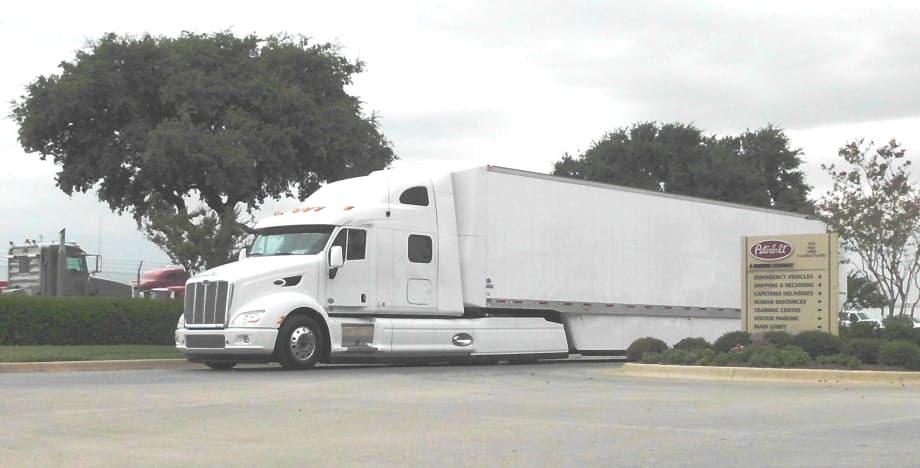
One way truck engineers at Peterbilt and Freightliner are exploring future "green" technologies is through the SuperTruck program.
PHOENIX -- The affordability, abundance and relatively fast return on investment for natural gas trucks has pushed interest in electric hybrids for medium- and heavy-duty trucks and other alt-fuel alternatives to the back burner, but that doesn't mean truck makers have given up on hybrid drives and researching a variety of other technologies for future "green" trucks.
In a panel discussion at the Green Fleet Conference in Phoenix Wednesday, representatives from four truck makers discussed how they're meeting new greenhouse gas regulations that are going into effect with the 2014 model year, alternative fuels, and research into ways to drive GHG emissions down and fuel economy up even further.
"Fuel economy improvements are becoming a standard way of working for us," said Roy Horton, manager of powertrain marketing at Mack, noting products such as the Mack Super Econodyne engine/drivetrain/axle, programmed to stay in the low-rpm sweet spot longer for significant fuel savings.
Horton also talked about DME, dimethyl ether, an alternative fuel that Mack and sister company Volvo believe is the fuel of the future. DME can be created out of a variety of raw materials, from natural gas to food waste, and has tank and infrastructure costs more similar to propane than to natural gas. Mack and Volvo plan to have DME-powered trucks in limited production in 2015.
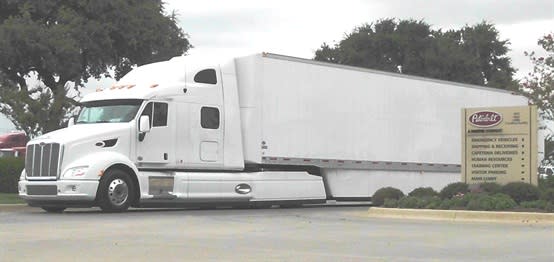
One way truck engineers at Peterbilt and Freightliner are exploring future "green" technologies is through the SuperTruck program.
Kris Hus, manager of powertrain strategy for Daimler Trucks North America, spoke about his company's involvement in the federally sponsored Super Truck program, calling it "a playground for our engineers to see what's possible" in fuel economy.
One of the ways engineers are working on is reducing parasitic losses, and in fact DTNA just introduced a variable speed water pump that does just that. Waste heat recovery is another avenue being explored.
"It's pretty funny that we're sitting here talking about the efficiency of water pumps," said Bill Kahn, manager of advanced concepts for Peterbilt, noting that the low-hanging fruit has all been picked.
Peterbilt also has a Super Truck project, and Kahn also mentioned waste heat recovery, along with lightweight componentry, predictive cruise control, new aero fairings, a 6x2 drivetrain and other things. They've tested a solid oxide fuel cell, but it hasn't panned out as hoped so the next iteration of the truck will not have it. That next generation is expected to get as much as 10.6 mph, he said.
All four panelists discussed the rising popularity of natural gas. Andrew Douglas, national sales manager with Kenworth, noted that Kenworth is looking forward to working with UPS, which recently announced it would buy 800 liquified natural gas powered Class 8 trucks.
Kris Hus said DTNA has more than 2,000 natural gas units deployed, and talked about the natural gas demo tour the company did last year, traveling on CNG from Los Angeles to Washington, D.C., saving $700 in fuel on the way. Peterbilt expects to sell 2,000 natural gas trucks by the end of the year.
"Interest in parallel hybrid technology has seen a pretty dramatic drop-off as companies turn their focus to natural gas," said Kenworth's Douglas, noting that the company has seen "tremendous growth" in natural gas associated with Cummins' new 12-liter natural gas engine. "So we start thinking about series hybrids instead of parallel."
At DTNA, Hus said, the company continues to work with hybrids, noting that the appetite for hybrids has tempered, with most action taking place in areas such as California where there are government subsidies.
"Fleets haven't realized the fuel economy benefits they were promised," Hus said. A big part of that, the company has learned, is that drivers don't drive them the way they need to be driven in order to get those fuel economy savings. That's why DTNA has added a hybrid performance indicator in the cab to give drivers instantaneous feedback. Cumulative driver performance information can be used by the back office to determine which drivers need further coaching. In the future, he said, this can be tied into telematics.
There also have been battery improvements. Eaton recently announced an upgrade in its battery technology, giving it almost three times its previous capacity, for an estimated fuel economy benefit of up to 30% over a regular diesel – an improvement being passed along without any additional cost.
Meanwhile, Kahn said, future technologies they're looking at include more advanced hybrids, as well as turbine engines, maybe even combined with a hybrid.
Two-stroke diesels could see a comeback, Kahn said, noting that Achates Power's reimagined vision of this technology is a semifinalist for the Emerging Innovation Award from Securing America’s Future Energy. The ability to control the combustion process with computers, he said, could address the traditional emissions shortcomings of two-stroke technology.
And Peterbilt will be working on a test of "platooning," which involves using smart vehicle technology to run a string of vehicles close enough to enjoy the fuel-economy benefits of the front vehicle's slipstream.
More Fleet Management

How Telematics Improves Visibility, Control, and Performance in Refrigerated Fleets
Explore how telematics help refrigerated fleets improve visibility, uptime, efficiency, compliance, and cargo protection across connected cold chain operations.
Read More →
What the U.S.-Canada Trade War Means for Trucking
Escalating U.S.-Canada tariffs could disrupt cross-border freight, reduce truck volumes, raise costs, and create new uncertainty for carriers on both sides of the border.
Read More →
What Are Trucking’s Top Concerns for 2026?
The American Transportation Research Institute wants to know what's worrying trucking fleet managers, drivers, and other stakeholders in its annual Industry Issues survey.
Read More →

American Trucking Associations Looks for a New Leader
ATA President and CEO Chris Spear abruptly left his job at the association on August 21, at a pivotal time for the trucking industry.
Read More →
Public Wi-Fi Cybersecurity Risks: How Truck Drivers and Fleets Can Protect Their Data
Public Wi-Fi can expose truck drivers and fleets to credential theft, malware, and other cyber threats. Here’s how to reduce the risk on the road.
Read More →
For Nicky Cupp, Fleet Innovation Starts With Frustration
HDT Truck Fleet Innovator Nicky Cupp turns everyday pain points at Fraley & Schilling into opportunities for better technology and smarter processes.
Read More →
Adam Buttgenbach’s Approach to Electric Trucks: Start With Where They Fit
HDT Truck Fleet Innovator Adam Buttgenbach helped PepsiCo build one of North America’s largest EV fleets by focusing on where electric trucks make operational sense.
Read More →
Deen Albert: Let Automation Do the Math, People Make the Decisions
HDT Truck Fleet Innovator Deen Albert makes sure people are still at the heart of operations at Grand Island Express, even while adopting artificial intelligence tools. AI-assisted dispatch helped boost revenue 25% with the same number of trucks.
Read More →
Trimble’s New AI Agent Takes Aim at Fleet Back-Office Busywork
Arc Agent works across Trimble TMS products to automate repetitive tasks such as freight orders, maintenance, invoices, fuel costs and more.
Read More →
How HDT’s 2026 Truck Fleet Innovators Are Rethinking Fleet Operations
Meet five trucking leaders who are challenging assumptions, solving operational problems, and putting innovative ideas to work.
Read More →