




Trailer Orders Impressive For May Despite Decrease
Early trailer order numbers from FTR Intelligence reflect an impressive showing for the month of May, despite an expected seasonal decline.

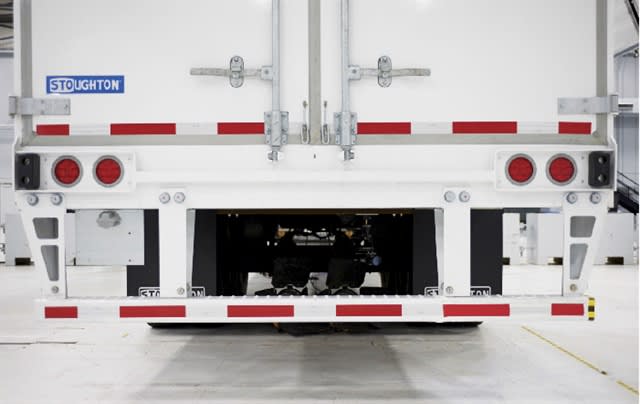
Trailer orders fell in May but remained at a robust level according to early reports from FTR Intelligence.
Photo via Stoughton
Early trailer order numbers from FTR Intelligence reflect an impressive showing for the month of May, despite an expected seasonal decline.
FTR’s preliminary report projects 21,200 orders in May, slightly down from the 22,000 units projected for April. But with all of the orders, bottlenecks in supply for key components and fabrications could hold up production.
“The capacity crunch continues and there are reports of trailer shortages by shippers,” said Don Ake, FTR vice president of commercial vehicles. “The supply chain is getting plugged up and some full trailers are sitting at warehouses for days, waiting to be unloaded. These trailers are in effect pulled out of service in these regions causing temporary availability issues. Shipments are being delayed in many markets and more trailers are needed to keep the freight moving.”
In the past 12 months, trailer orders have totaled 335,000 units and orders are on pace for a record year in 2018, even if production constraints hold up the actual amount of trailers built before year’s end.
“In 2015, May was the weakest order month and this May’s number is 30% higher than that,” said Ake. “There is a chance that May could be the lowest month this year if fleets start ordering for 2019 early. Some OEMs are booked solid for 2018 and are soliciting orders for next year.”
Related: Class 8 Truck Demand Stays Strong Through May
More Equipment

Behind the Wheel of the New Mack Anthem [Video]
HDT takes the new Mack Anthem around Mack’s Pennsylvania test track to see how its driver-focused design, technology, visibility and handling perform from behind the wheel.
Read More →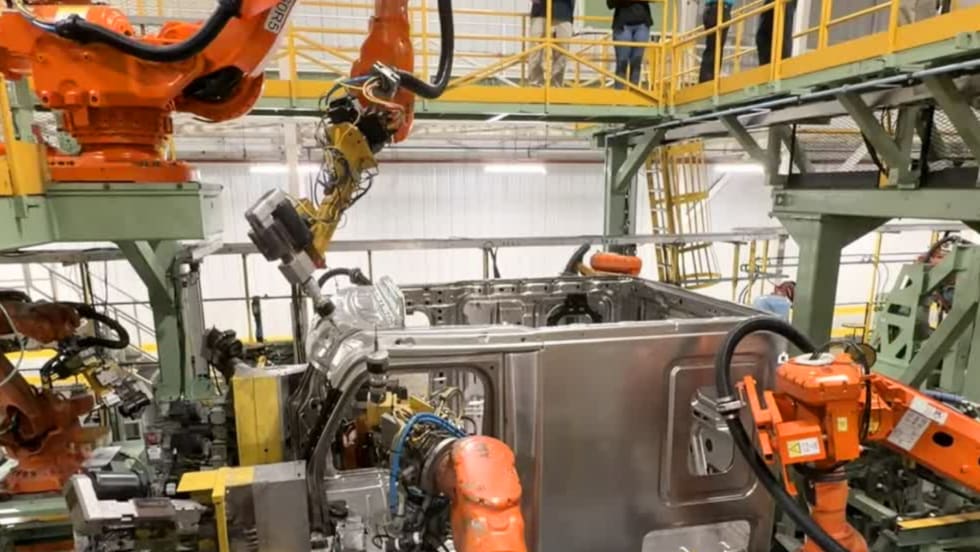
DTNA Plans New U.S. Truck Plant as Manufacturing Footprint Shifts
Daimler Truck North America is evaluating sites for a new assembly plant expected to open in 2029 while winding down operations at its longtime Portland manufacturing facility.
Read More →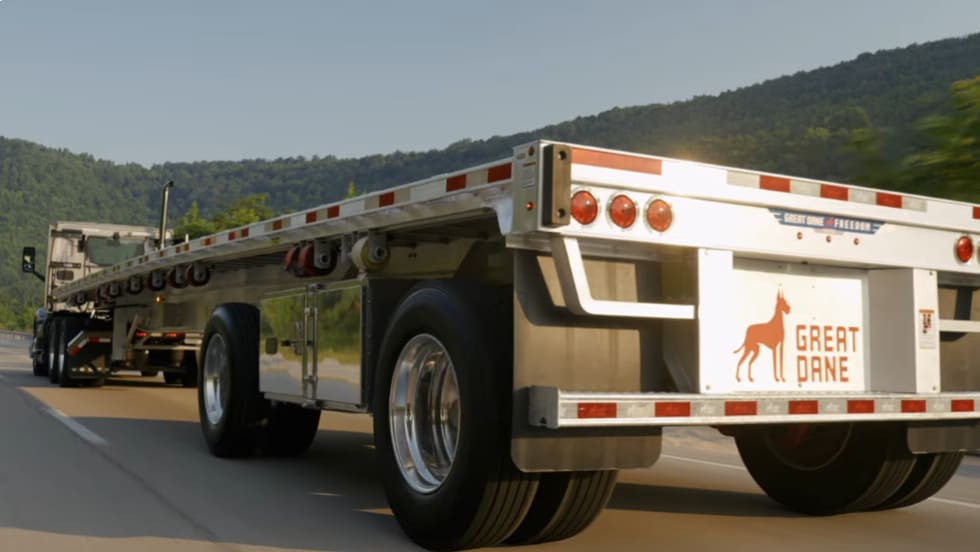
Great Dane Flatbed Trailer Offers Light Weight and Strength
Freedom Ultra is designed for a wide range of open-deck applications, including building materials, lumber, machinery, steel products, industrial freight, and coil hauling.
Read More →
What It's Like Inside this Custom 2025 Peterbilt 589?
Take a driver's-eye tour of this customized 2025 Peterbilt 589 in this video, as longtime driver Ingrid Brown explains its features, compares it to previous models, and shares plenty of personality along the way.
Read More →
Drivers Put Western Star Trucks to the Test at Star Nation Experience
Watch to get an inside look at the Western Star trucks, technology, and community behind the Star Nation Experience 2026!
Read More →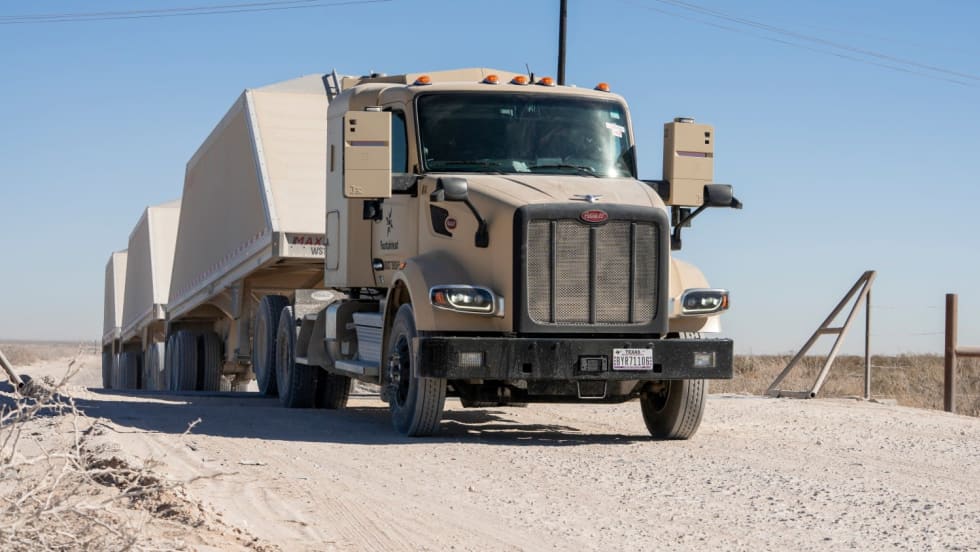
Atlas Expands Kodiak Driverless Truck Fleet in Permian Basin
Atlas Energy Solutions is expanding autonomous frac sand hauling in the Permian Basin with a second load-out location and plans for 100 driverless trucks by mid-2027.
Read More →
Putting Mack’s Command Steer to the Test
A test drive of Mack’s Command Steer active steering system evaluates how it can make truck driving easier and less tiring.
Read More →
Mack, Volvo Expand DEF Derate Software Updates
The updated software gives Mack and Volvo truck owners more time to address DEF-related issues before the engine derates or the vehicle goes into reduced-speed inducement, following new EPA guidance.
Read More →
Rush, MCT Team Up to Grow Refrigeration Service Network
The joint venture will operate MCT's network of Carrier Transicold dealerships and mobile service locations, with the companies promising greater service capacity and uptime for refrigerated fleets.
Read More →
Cummins Adjusts 2027 Engine Rollout After EPA Proposal
The engine maker will gradually introduce its new Model Year 2027 diesel engines while continuing to offer current models during the transition, citing the EPA's proposed emissions rule changes.
Read More →