




Top 10 Equipment Acquisition Trends for 2013
The Equipment Leasing and Finance Association, which represents the $725 billion equipment finance sector, revealed its Top 10 Equipment Acquisition Trends for 2013. Given that every year U.S. businesses, nonprofits and government agencies spend in excess of $1.2 trillion in capital goods or fixed business investment (including software), financing more than half of those assets, these trends impact a significant portion of the U.S. economy
The Equipment Leasing and Finance Association, which represents the $725 billion equipment finance sector, revealed its Top 10 Equipment Acquisition Trends for 2013.
Given that every year U.S. businesses, nonprofits and government agencies spend in excess of $1.2 trillion in capital goods or fixed business investment (including software), financing more than half of those assets, these trends impact a significant portion of the U.S. economy.
Businesses considering acquiring equipment this year will consider numerous end-user benefits while weighing continued uncertainty related to economic conditions and fiscal policies.
Equipment acquisition plays a critical role in driving the supply chains across all U.S. manufacturing and service sectors.
The ELFA has distilled recent research data, including the Equipment Leasing & Finance Foundation's 2013 Equipment Leasing & Finance U.S. Economic Outlook Report and U.S. Equipment Finance Market Study 2012-2013, industry participants' expertise, and member input from ELFA meetings and conferences to provide its best insight for the top 10 Equipment Acquisition Trends for 2013.
ELFA issued the following Top 10 Equipment Acquisition Trends for 2013 to help businesses with their strategic equipment acquisition plans:
1. Corporate perceptions of the economic outlook will be a primary driver of business investment decisions.
Despite pressing considerations such as technological innovations and aging equipment, the economy will be the true barometer for whether or not businesses acquire new equipment in 2013.
2. Equipment investment will pick up in the second half of 2013.
Equipment investment will grow this year, although the rate of growth will be hampered by fiscal uncertainty.
Some companies will remain cautious about taking on large capital investments even now that important decisions impacting short-term fiscal stability have been made.
Equipment acquisition activity will gain momentum through relief from the policy uncertainty that brought the economy to the edge of the fiscal cliff. An improving housing sector will provide an added boost.
3. Pent-up demand will spur investment across varied equipment types.
Demand for replacement equipment will drive investment in the construction, agriculture and transportation categories in particular, while other equipment types will await the replacement cycle. However, greater economic improvements will be needed before significant equipment investment expansion takes place.
4. A continuing low interest rate environment will enable companies to acquire the equipment they need and conserve cash.
The prospect of continued low interest rates at least through 2014 will be an incentive for businesses to acquire equipment through financing and still hold on to their cash for uncertainties.
In addition to maintaining cash flow, equipment financing will help businesses preserve capital and improve expense planning in challenging economic conditions.
5. A majority of U.S. businesses will use some form of financing for equipment acquisition.
In 2013, $742 billion (55%) of the projected $1.3 trillion investment in plant, equipment and software investment in the United States will be financed through loans, leases and lines of credit.
Seven out of 10 businesses will use at least one form of financing to acquire equipment.
6. Business size will impact equipment acquisition.
Size will matter when acquiring equipment in 2013.
Primarily larger businesses anticipate increasing equipment spending over the next 12 months. Small companies' high degree of concern about general economic conditions and less access to credit will temper their equipment acquisition plans.
7. The gaining prominence of cloud computing will transform the way businesses pay for IT investments.
Along with changes in how companies consume software and hardware, cloud computing will spawn new financing options. Companies will look to equipment financiers for variable payment structures in the cloud.
8. Credit market conditions will remain favorable for long-term equipment financing.
Businesses will generally find an improving credit supply as they consider equipment acquisitions.
9. The one-year extension of bonus depreciation may provide incentives for businesses to acquire equipment.
The continuation of the depreciation bonus will allow businesses to deduct up to 50% of the cost of new equipment purchases in 2013.
10. Although the value of lease financing will remain, businesses will begin to adapt their equipment acquisition strategies to comply with long-awaited changes to lease accounting standards.
A new draft of proposed changes to lease accounting standards by the Financial Accounting Standards Board and the International Accounting Standards Board should be announced this year, enabling businesses to begin to evaluate how their balance sheets, earnings and other financials will be affected by equipment financing agreements.
More Fleet Management

American Trucking Associations Looks for a New Leader
ATA President and CEO Chris Spear abruptly left his job at the association on August 21, at a pivotal time for the trucking industry.
Read More →
Public Wi-Fi Cybersecurity Risks: How Truck Drivers and Fleets Can Protect Their Data
Public Wi-Fi can expose truck drivers and fleets to credential theft, malware, and other cyber threats. Here’s how to reduce the risk on the road.
Read More →
For Nicky Cupp, Fleet Innovation Starts With Frustration
HDT Truck Fleet Innovator Nicky Cupp turns everyday pain points at Fraley & Schilling into opportunities for better technology and smarter processes.
Read More →
Adam Buttgenbach’s Approach to Electric Trucks: Start With Where They Fit
HDT Truck Fleet Innovator Adam Buttgenbach helped PepsiCo build one of North America’s largest EV fleets by focusing on where electric trucks make operational sense.
Read More →
Deen Albert: Let Automation Do the Math, People Make the Decisions
HDT Truck Fleet Innovator Deen Albert makes sure people are still at the heart of operations at Grand Island Express, even while adopting artificial intelligence tools. AI-assisted dispatch helped boost revenue 25% with the same number of trucks.
Read More →
Trimble’s New AI Agent Takes Aim at Fleet Back-Office Busywork
Arc Agent works across Trimble TMS products to automate repetitive tasks such as freight orders, maintenance, invoices, fuel costs and more.
Read More →
How HDT’s 2026 Truck Fleet Innovators Are Rethinking Fleet Operations
Meet five trucking leaders who are challenging assumptions, solving operational problems, and putting innovative ideas to work.
Read More →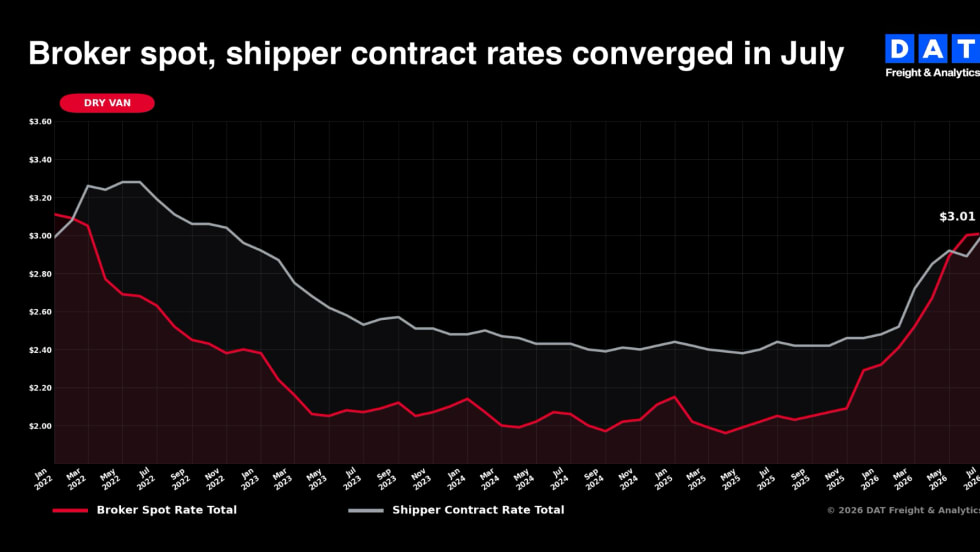
Tight Trucking Capacity Pushes Rates Higher Even as Freight Volumes Fall
“Spot rates moving ahead of contract rates have historically signaled a tightening market, but we haven’t seen a capacity-driven market quite like this one,” said DAT's Dean Croke.
Read More →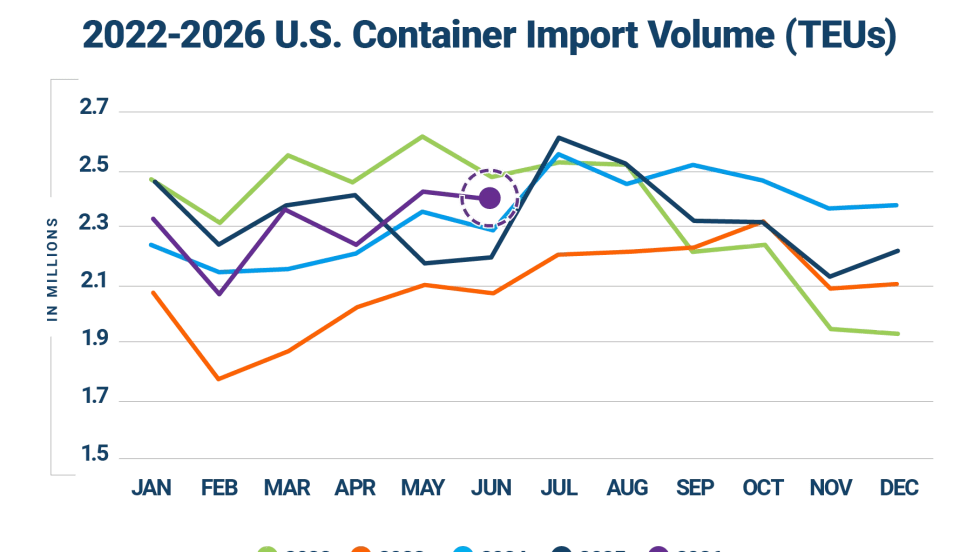
Import Cargo’s Early Peak Season is Winding Down
There was an early start to peak season this year at the nation's gateway ports, as retailers brought in merchandise ahead of tariff changes in late July and responded to other supply chain uncertainties,
Read More →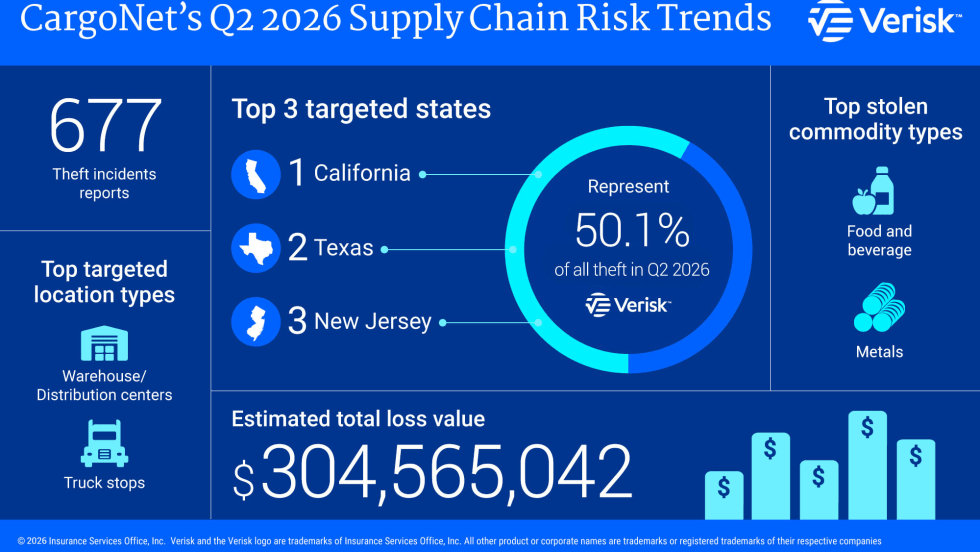
Fewer Cargo Thefts, Bigger Losses: Criminals Target Higher-Value Loads
CargoNet says organized theft rings are stealing fewer shipments but choosing more valuable freight, including metals and technology, resulting in record losses.
Read More →