




TMC Hears Ideas on How to Add Members, Activities
Online tech sessions and recruiting younger fleet managers are among suggestions gleaned from a recent survey of members and non-members of the Technology & Maintenance Council of the American Trucking Associations.


Running online technical sessions and slanting marketing efforts toward younger people were among ideas presented to a committee of the American Trucking Associations' Technology & Maintenance Council, which wants to grow its membership in the near and long term.
The ideas came from a survey that TMC’s Strategic Planning Committee commissioned earlier this year. MacKay and Co. did the survey in June and July. One of its researchers, John Blodgett, briefed committee members Sunday morning, the day before TMC begins its fall meeting near Orlando, Fla.
The briefing turned into a brainstorming session among committee members that cut into Blodgett’s time to get through all his material. He said 7,220 invitations went to members and non-members of the group. Of the 478 who responded, 239 were truck fleet managers, half of whom were TMC members and half who were not.
Another 152 represented manufacturers of trucks, trailers and components, and 97% of those were TMC members. Most of the other respondents were truck and engine dealers and distributors, of whom 86% were members.
Some respondents criticized TMC’s historical focus on over-the-road equipment, and felt that the various trucking vocations be given more attention, Blodgett said. However, committee members noted that trash haulers comprise one vocation whose members promote and organize sessions at TMC meetings, and light- and medium-truck topics are regularly covered.
“You have different groups with different needs,” Blodgett said, “and it’s difficult to serve all of them under one roof.” But expanding attention to vocations such as construction and agriculture, and recruiting more private-fleet managers, are ways to grow membership.
He did note that 37 of the top 100 private fleets, as defined by ATA-related methodology, are TMC members, so the group is serving some of that classification. However, the great majority of Class 8 trucks on the road are operated by small fleets whom TMC and ATA don’t reach.
Carl Kirk, TMC’s executive director, wondered if recruiting more OTR fleet managers would accomplish the desired expansion, “if adding members alone” is the goal. Others on the planning committee nodded, but opined that seeking managers working in the vocations and serving them with specific material would expand TMC’s influence and voice.
Reaching out to groups that now serve vocations and private fleets and setting up joint meetings might also expand TMC activities and make non-members aware of what it does, several committee members suggested.
Webcasting some of the technical sessions at formal meetings would reach members who don’t attend them, and the service could be offered for a fee. It might be especially valuable to managers of smaller fleets who “don’t have the time or money, and don’t travel away from their home areas,” noted Duke Drinkard, a retired big-fleet manager still active as a consultant.
Most people in the room seemed intrigued by the idea of online tech sessions, though the mechanics of running them would have to be worked out. This reporter, a committee member, observed that suppliers occasionally hold online press conferences that combine slide presentations with phoned-in question-and-answer sessions, and they work well.
Content might be a problem, however, because “only one or two of the 12 or so who give presentations at full technical sessions give permission to post them online,” said Robert Braswell, TMC’s technical director. Their companies might be concerned about making certain information public beyond the brief time of a tech session, he explained.
TMC’s best-practice recommendations, along with product updates and new product information, were most often cited as valuable by those who knew about them, Blodgett reported. TMC’s providing a voice for the industry was also praised. And its ownership by ATA is a positive because of the group’s prominence, but also a negative because ATA is sometimes seen as “overbearing.”
Survey respondents suggested that TMC try to disseminate its Recommended Practices and other technical services, perhaps through regular emailings. And recruiting younger managers through special methods and media is necessary because the typical age of TMC’s current members is 49 to 55.
ATA is planning to hire a marketing specialist who will be assigned to TMC, and that person will devote much time to recruiting, said Janet Howells-Tierney, TMC's membership director.
Respondents familiar with TMC’s operations and hierarchy complained that “we end up with the same group of the same people,” Blodgett said. “But it’s difficult to get other people to join” and help run the organization.
More Maintenance

Will API PC-12 Oil Change Trucking Fleet Maintenance?
The new API PC-12 heavy-duty engine oil category reflects the changing demands of modern diesel engines. But fleets like Foodliner are looking to getting their own data before making decisions on adopting the new oils and questions such as extending oil drain intervals.
Read More →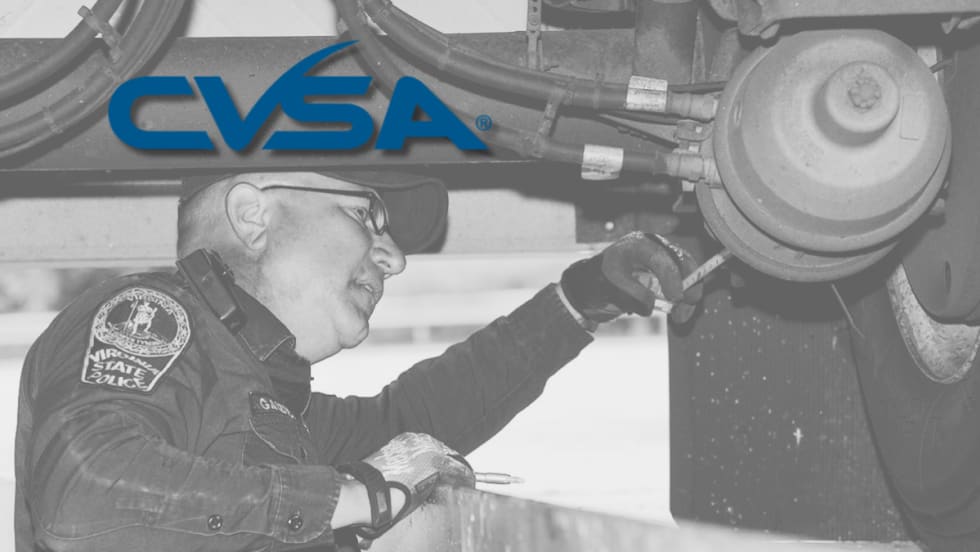
Brake Safety Week to Focus on Drums and Rotors
Commercial vehicle inspectors will be focusing on brakes during CVSA's Brake Safety Week, August 23-29.
Read More →
Possible Battery-Cable Fires Prompt Recall of 15,000+ International MV and HV Trucks
On the recalled vehicles, manufacturing variations can cause the battery interconnect cable to contact the auxiliary stud and hold down the bracket.
Read More →
Rush, MCT Team Up to Grow Refrigeration Service Network
The joint venture will operate MCT's network of Carrier Transicold dealerships and mobile service locations, with the companies promising greater service capacity and uptime for refrigerated fleets.
Read More →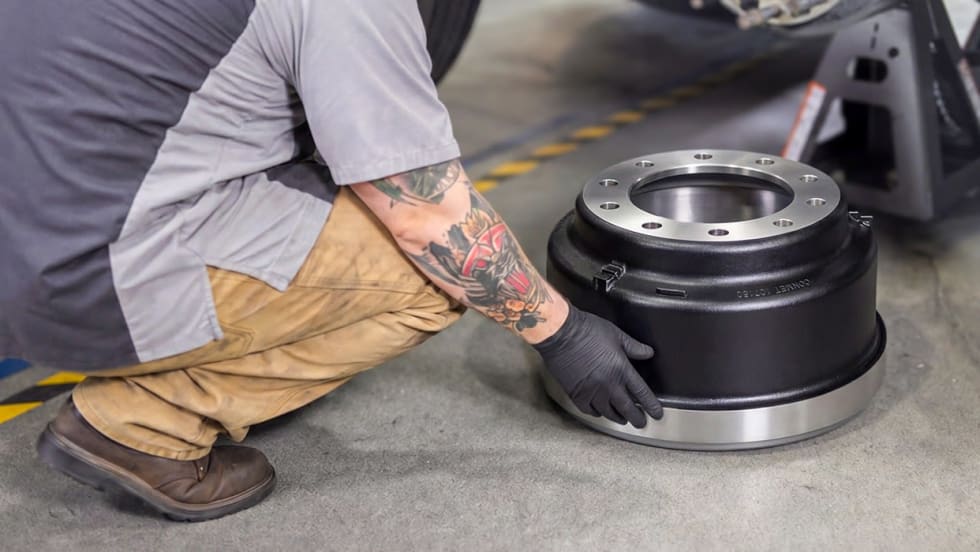
ConMet Expands Aftermarket Brake Drum Lineup With TruCast
A new heavy-duty truck brake drum option in the aftermarket gives customers more flexibility within the ConMet product family.
Read More →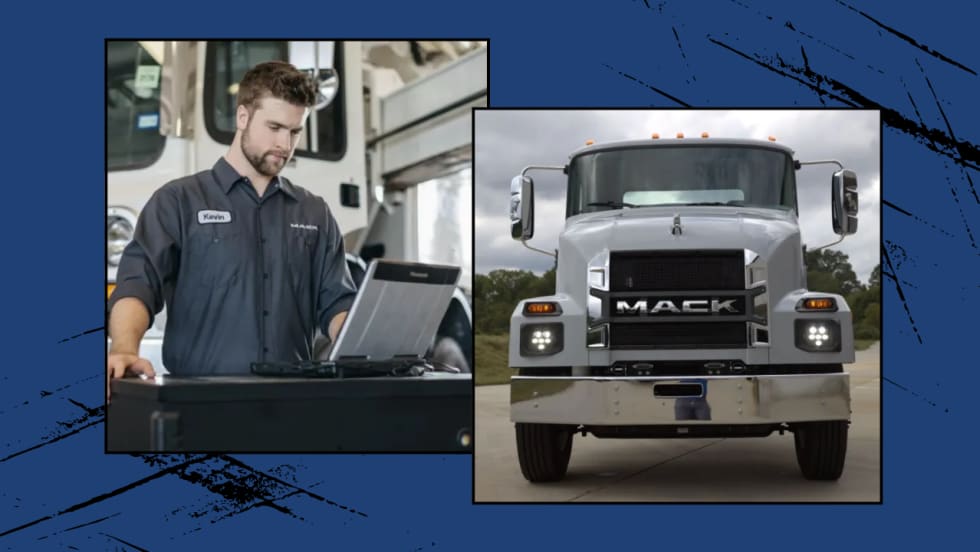
Mack Expands Premium Service Contract Coverage to Medium-Duty MD
With a service contract, inspections, preventive maintenance and repairs can be handled in a single visit instead of multiple ones.
Read More →
Maintenance in the Messy Middle Part 5: Battery-Electric Trucks
No oil changes. No diesel exhaust fluid. No exhaust aftertreatment. But NACFE battery-electric trucks still require specialized maintenance procedures.
Read More →
Trucking Fleets Faced Record Operating Costs During Third Year of Freight Recession
ATRI's annual operational cost report shows carriers trimmed fleets, delayed equipment purchases, and ran older trucks as expenses continued to outpace freight rates.
Read More →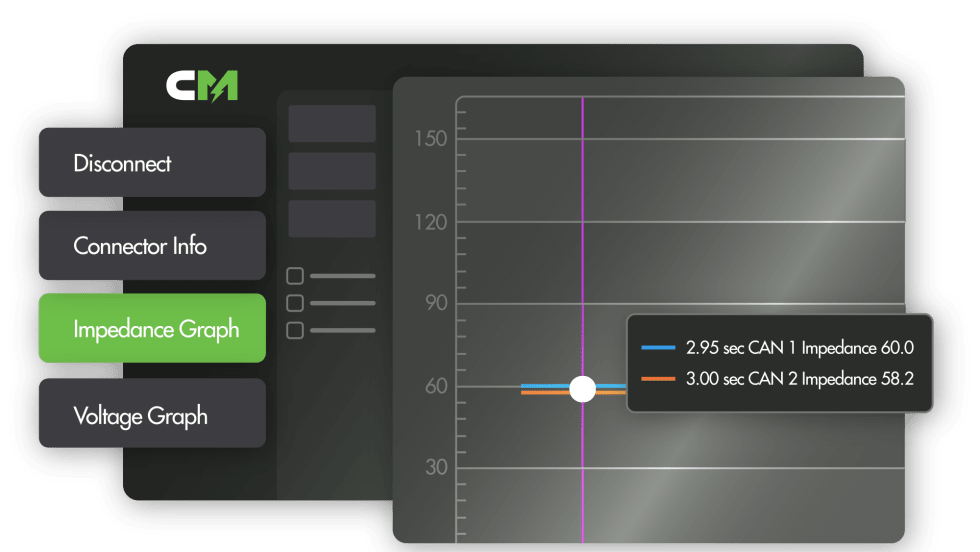
Noregon Launches CAN Mentor to Simplify Vehicle Network Diagnostics
New Noregon software helps technicians identify CAN network issues without requiring advanced diagnostic equipment or specialized training.
Read More →
Maintenance in the Messy Middle Part 4: Renewable Natural Gas
The keys to running renewable natural gas as a fleet fuel depend on specialized technician training, rigorous inspection schedules and an understanding of high-pressure fuel systems.
Read More →