




TMC Donates Updated Inspection Guides to Student Techs
ATA's Technology & Maintenance Council has donated copies of its newly updated PMI Guidelines Manual for Class 7 & 8 Diesel-Powered Tractors to student technicians.
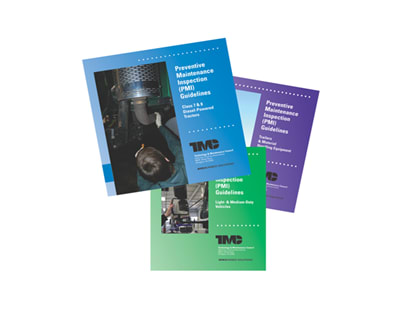
Photo: ATA
Photo: ATA
The American Trucking Associations' Technology & Maintenance Council has donated copies of its newly updated PMI Guidelines Manual for Class 7 & 8 Diesel-Powered Tractors to student technicians.
Courtesy of Truck Centers of America, the manuals will be given to more than 50 technical institutes in 28 states for use in diesel technician training curriculum.
“With the need for skilled technicians growing exponentially, it is important for our industry to cultivate the next generation of truck and diesel engine specialists,” said Carl Kirk, ATA vice president of maintenance, information technology and logistics and TMC executive director. “That’s why we’re pleased to donate these updated resources to these deserving schools.”
The updated PMI Guidelines provide the procedures and guidance for maintaining compliance with the Federal Motor Carrier Safety Administration’s Compliance Safety Accountability Vehicle Maintenance Behavioral Analysis and Safety Improvement Category.
The guidelines assign over 120 checkpoints and reference the latest TMC-recommended practices. They are designed to train technicians to conduct timely, thorough, and efficient preventive maintenance inspections.
The updated suite of PMI Manuals follow the testing protocols established by the National Institute for Automotive Service Excellence as well as PMI station objectives for TMC’s National Technician Skills Competition, TMCSuperTech, and the National Student Technician Skills Competition, TMCFutureTech.
The council encourages technical institutions that have a diesel technician training program to consider incorporating the manuals into their training curriculum.
For more information on the PMI Guidelines manual, click here.
More Maintenance

Oil Crisis Squeezes Trucking Lubricant Supplies
Fleets report higher lubricant costs as Middle East disruptions tighten supplies of ingredients used in synthetic engine oils and some driveline lubricants.
Read More →
Shell Prepares Rotella Oils for 2027
New CL-4 and FB-4 formulations will begin arriving in early 2027, with improved protection against oil breakdown, wear and deposits, according to Shell.
Read More →
Mack Expands Extended Coverage With Four Chassis System Plans
Mack Trucks' new system-specific coverage options allow heavy-duty fleets to select protection for driveline, cab, HVAC, electronics, and advanced safety components.
Read More →
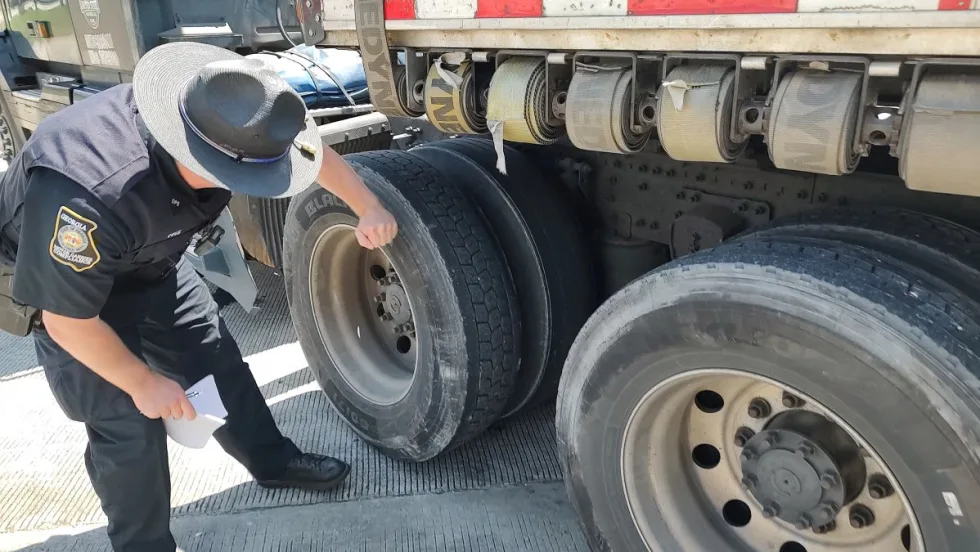
What an Out-of-Service Order Really Costs, and How to Plan for One
The repair invoice is the first number you see — and often one of the smallest. Here’s what else an out-of-service order can cost a fleet, and how planning can reduce the damage.
Read More →
International Launches Online Truck Parts Store
Fleetrite.com lets fleets and repair shops find OEM and all-makes parts, check prices and availability, and order without calling a parts counter.
Read More →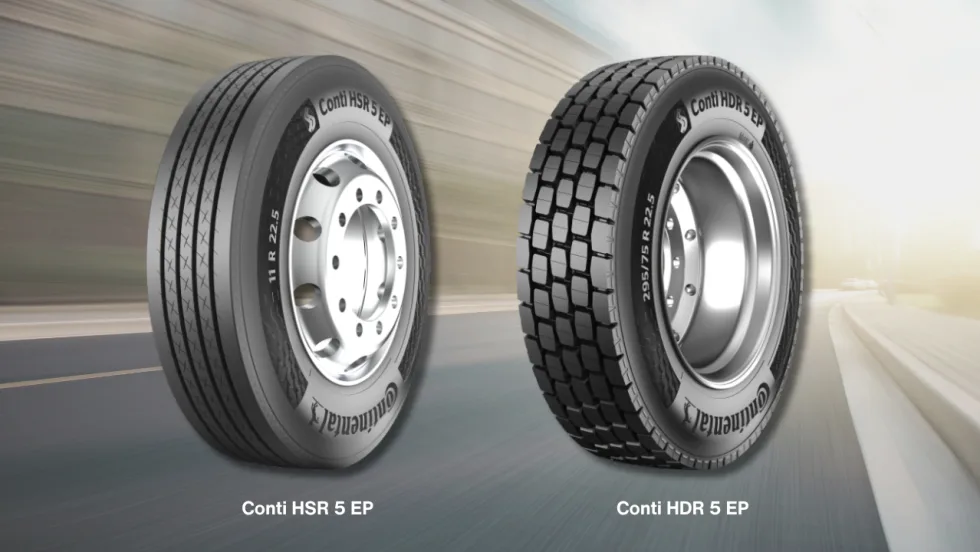
Continental Introduces New Regional Truck Tires
Continental says its new Generation 5 steer and drive tires for regional operations offer longer tread life, with estimated mileage gains of 22% and 19%, respectively.
Read More →
How AI Can Help Your Techs’ Efficiency
The technician shortage isn't going away, and no single fix can close the gap on its own. Trent Broberg makes the case that AI's real job in the shop is protecting the billable hours and job satisfaction of the techs you already have, not asking them to work faster.
Read More →
Color Match Smarter: Tools That Restore & Perform
For fleet managers and collision repair professionals keeping heavy-duty trucks on the road, getting the color right the first time isn't just about appearance — it's about efficiency, turnaround time, and bottom-line results. Discover how today's digital color tools are transforming the repair process from guesswork to precision.
Read More →
Wrong Repair Prompts Recall of Freightliner, Western Star 4x2 Trucks
DTNA is recalling more than 2,400 trucks that received an incompatible software fix instead of the hardware repair required to address brake valve corrosion.
Read More →
Truck Drivers Need More Than Another Alert
Fleets have more visibility into truck health, safety events, and driver activity than ever. The next challenge is turning all that information into useful guidance for the person who has to decide what to do next.
Read More →