




Testimony Condemns HOS Proposal In Second Hearing
The second public hearing on the proposed hours of service regulations, held in Ontario, Calif., Wednesday and Thursday, was no great surprise. The testimony from nearly 100 different parties roundly condemned the proposals. Even Tami Friedrich, a
The second public hearing on the proposed hours of service regulations, held in Ontario, Calif., Wednesday and Thursday, was no great surprise. The testimony from nearly 100 different parties roundly condemned the proposals.
Even Tami Friedrich, a local representative for Citizens for Reliable and Safe Highways, expressed her group's dissatisfaction with the proposal to allow more driving hours under the Federal Motor Carrier Safety Administration's notice of proposed rulemaking. Nevertheless, her presentation allowed that any review of trucking safety rules was welcome.
Most -- no, all -- other testimony was contrary to that, with little support for any provisions of the proposal.
Everyone who condemned the HOS proposals (with the exception of the CRASH position) drew a round of applause from the 150 or so in the audience at the Ontario Conference Center.
While the testimony was unanimously against the proposals, what emerged was a very different perspective from the groups representing the bus and motorcoach industries and the truck drivers.
While both agreed the new proposed rules would be disastrous to their industries and to their drivers in particular, the bus interests by a large had their case better prepared and made a very strong case for adding wording to any proposed rulemaking that would treat bus drivers separately from freight drivers.
David Lippincott of Golden State Coaches claimed that coach tourism brings $94 billion dollars into the United States economy from abroad. His point, echoed by all the bus and coach interests, was that their whole industry was geared to the current 15-hour workday and asked for special dispensation to continue. The alternative, said all presenters, including 20-year veteran drivers with Greyhound, would be drivers forced to quit the industry and new, inexperienced and poorly paid replacements brought in to fill their shoes.
Finding drivers was also high on the list of concerns expressed from all areas of the trucking industry.
Owner-operators like Jim Ashley and David Staggs with Marten and independent Lonnie Shaefor said they would not be able to make a go of their independent small businesses under the proposed new hours ruling.
Shaefor, with a young family and a son just potty trained while on his outbound trip from Wisconsin, said the way he organized his operation, he probably wouldn't be very far behind on miles over a year with the new rules. But where today he gets home for a week after a round trip to the West Coast, he could see that all the required "weekends" would ensure he spent no time with his family. And no electronic on-board recorder would ever go in his truck, he said. At that point he would just leave the industry.
Ashley and Staggs spoke for many when they said they couldn't see any justification for the change, though Ashley did allow the 24-hour clock that is the basis of the proposals would be an improvement.
Citing American Trucking Associations' intention to be at all seven hearings around the country, Director of Safety Operations Paul Bomgardner presented some of the specific recommendations that ATA has suggested would be the sort of hours changes for the industry that would enhance safety without the economic and operational impacts of the DOT proposals.
Bomgardner said ATA would like to see a 34-hour "restart" with the hours clock starting anew after a 10-hour night and a full day shut down. The industry could live with 70 hours in 7 days and still move the freight, and a flexible return to work that was not 7 a.m. after a "weekend" shut down.
Among other testimony, Bruce Wrinkle safety director of Roadrunner Trucking asked what would happen every morning at 7 a.m. when all the trucks shut down for the "weekend" started their workday. He said it would be like an Indianapolis start with a "Gentlemen, start you engines" call as the trucks shut down overnight all took to the roads together.
Parking was a major concern expressed by many speakers. All asked the six-man panel from the Federal Motor Carrier Safety Administration whether they had considered the productivity implications of the proposals. Most considered at least 20% more trucks and drivers would be needed to move the freight.
Tom Anderson of Interstate Distribution Co. detailed the severe economic impact on this major carrier in terms of the number of trucks it would take, the additional drivers and the total overhaul of the way the company does its business. Fleet owner Robert Clover, from Albuquerque, Wayne Smith from Dick Simon, and Mark Guin from regional carrier McKelvey of Phoenix all pointed out the truck equipment and driver implications to their operations.
A presentation by CFI driver Bob Chilcoat painted a real-world picture of the way a driver organizes his life and logbook under the current regulations. He pointed out the very real economic impact to a driver from not being able to log resting time during loading and unloading. By his estimate, drivers would take a 30% cut in take-home money if they run by the new book. And, with the hearings just around the corner from the Ontario T/A truckstops, he was able to paint a very understandable picture of the parking problems the new rules would raise.
Questions from the panel showed that they were willing to listen and to learn about nuances that may have been missed in the proposed rulemaking. But the outcome looks like a foregone conclusion. Requests for more time over and above the 90-day comment period drew no response, and much of the questioning by the panel was to underscore their positions taken in developing the hours proposals.
More Drivers

Competition Heating Up for Truck Drivers
New report reveals rising driver hiring costs, the return of sign-on bonuses, growing AI advantages, and the operational factors shaping driver retention.
Read More →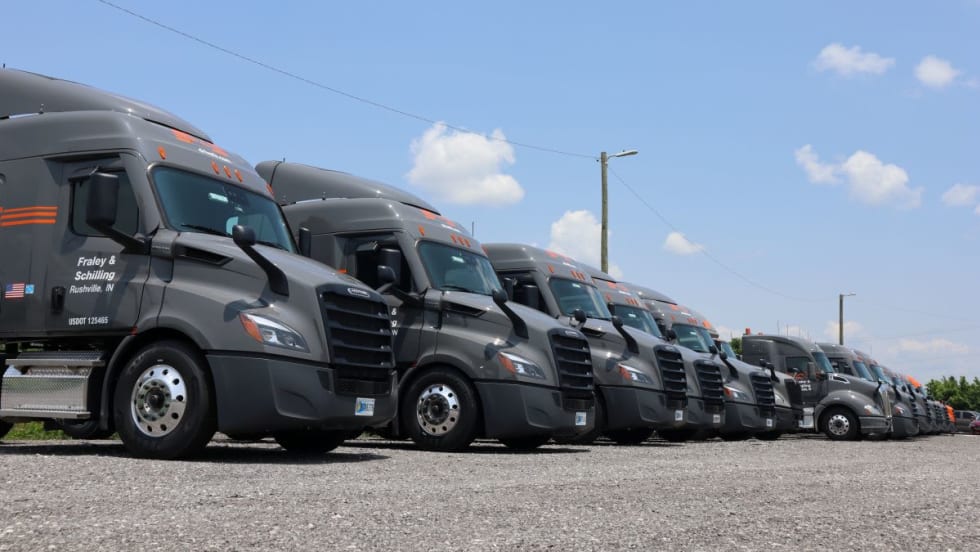
How Fraley & Schilling Improved Logbook Compliance by Over 50%
Fraley & Schilling needed a way to close a compliance workflow gap in its ELD system without adding more work from driver training, reminders, and back-office follow-ups. It found the answer in a custom driver app.
Read More →
Volvo Goes Gaming
Volvo has roared into American Truck Simulator with two new flagship trucks.
Read More →
What the Best Fleets to Drive For Teach About Driver Retention
Survey fatigue, AI-powered routing, owner-operator expectations, and the decline of social media all emerged as themes from this year's Best Fleets to Drive For program.
Read More →
Driver Retention Lessons From the Best Fleets to Drive For
What separates trucking's best workplaces from the rest? Jane Jazrawy shares the biggest lessons from this year's Best Fleets to Drive For program on driver retention, communication, AI, and workforce trends on the HDT Talks Trucking podcast.
Read More →
Farewell, CDL: Why I'm Giving Up My Commercial Driver's License
After more than 20 years as a CDL holder, HDT Executive Editor Jack Roberts is letting his commercial license expire. Not because he wants to — but because trucking's nuclear verdict crisis has made the risks of public-road test drives too great for editors, manufacturers, and everyone involved.
Read More →
How Top Trucking Fleets Improve Driver Retention [Video]
What do healthy snacks, optimized routing, and just picking up the phone have in common? They're all strategies the Best Fleets to Drive For are using to retain truck drivers.
Read More →
Trucker Path Adds Verisk CargoNet Theft Data to Navigation Platform
Trucker Path’s new cargo theft risk overlays give drivers and fleets visibility into high-risk areas, stolen commodity trends, and theft hotspots.
Read More →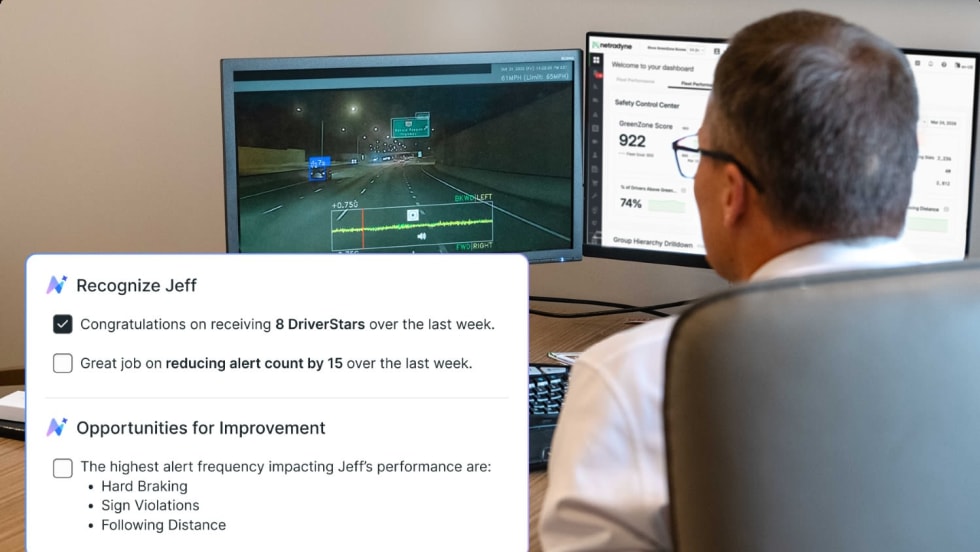
Netradyne Intelligence Uses New AI Agents to Automate Response to In-Cab Camera Data
The company called the next-generation in-cab camera safety platform "a fundamental shift from systems that report on what happened to systems that actively drive what should happen next."
Read More →
Why Truck Detention Keeps Costing Fleets Time and Money
A 2024 ATRI study found detention affects nearly 40% of truckload stops and costs the industry more than $15 billion annually. Despite the toll on drivers, fleets, and supply chains, the problem remains stubbornly persistent.
Read More →