





Related – ELD Mandate: Don’t Rest Easy If You’re Grandfathered with AOBRDs
ELDs: Many Fleets Haven't Installed Them
A new survey of North American fleet executives has found that three in 10 fleets haven't bought mandatory electronic logging devices, with many relying on grandfathered automatic onboard recording devices to track driver logs.
July 17, 2018
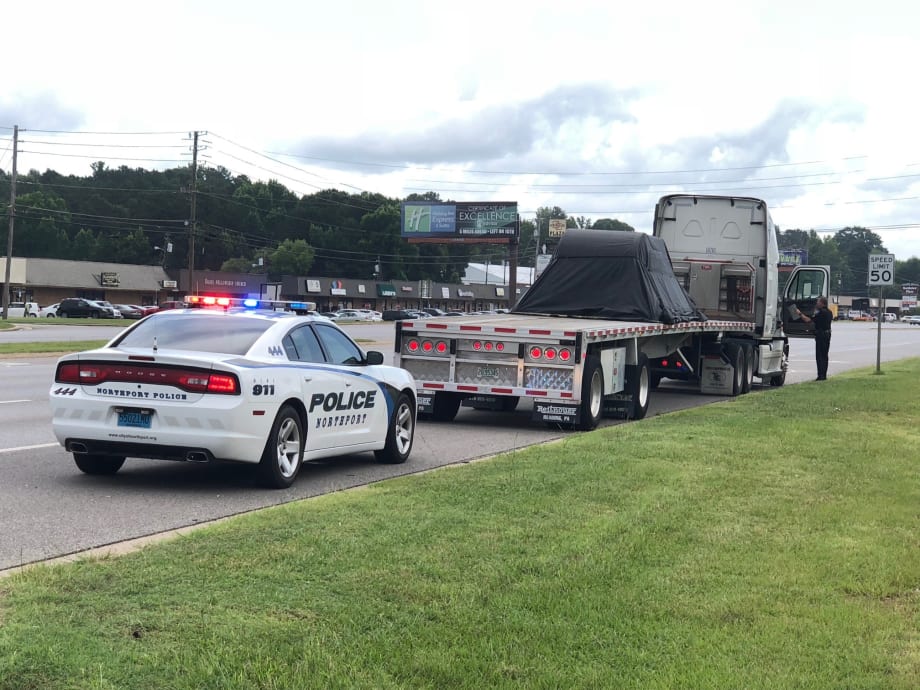
A survey comissioned by MiX Telematics found that 3 in 10 fleets still haven't installed mandatory ELDs, with many relying on grandfathered AOBRDs.
Photo: Jack Roberts
2 min to read
A significant number of North American fleets have not yet installed electronic logging devices, with many relying on grandfathered automatic onboard recording devices to track driver logs. A new survey by MiX Telematics found that three in 10 fleets operating in North America are not yet running ELDs, almost eight months after the mandate became law.
MiX Telematics, a global provider of fleet and mobile asset management solutions, announced the results of its new survey, conducted among fleet executives and managers, exploring their top industry concerns as well as ELD readiness.
Among the key findings in the survey:
• 71% of respondents whose fleets needed to comply with the ELD Mandate say they have already completed their implementations. Only one percent have not begun the process at all. The balance are either in the midst of the process or grandfathered in until Dec 2019 with AOBRDs.
• Across all respondents, reducing risky driving was identified as the top concern for fleet professionals for 2018, followed by optimizing fleet operating costs, ELD/HOS compliance and improving maintenance.
• Among fleets with 500 or more vehicles, optimizing overall fleet operating costs was the top concern, and improving maintenance was second, with reducing risky driving in fifth place.
• Looking at the data by job title, senior managers’ top concerns were reducing risky driving and improving maintenance, but fleet managers top concerns were improving maintenance and optimizing overall fleet operating costs.
Pete Allen, chief client officer at MiX Telematics North America, said, “By this point – seven months after the ELD mandate went into effect – we expected higher compliance. Three in ten fleets that need to comply have not yet done so. With the Federal Motor Carrier Safety Administration now fully enforcing the law, fleets need to take action.”
Allen also noted the difference in priorities between fleet executives and fleet managers. “Safety should be the number-one priority for every fleet, and every fleet employee,” said Allen. “Executives need to make sure incentives are aligned around this very important goal.”
More Safety & Compliance

FMCSA Pauses Biennial-Update Enforcement Amid Motus Transition
Carriers whose updates were due on or after June 1 have more time, while FMCSA works to stabilize its new registration system and warns of phishing sites impersonating its new carrier registration system, Motus.
Read More →
ZF Expands Commercial Vehicle Push in North America
ZF is expanding its North American commercial-vehicle presence with new transmission applications, electrification, trailer technology and autonomous-driving systems.
Read More →
Truck Drivers Need More Than Another Alert
Fleets have more visibility into truck health, safety events, and driver activity than ever. The next challenge is turning all that information into useful guidance for the person who has to decide what to do next.
Read More →
Tesla Wants a Self-Driving Semi. Are Cameras Enough?
Could Tesla’s camera-only autonomous driving technology work on an 80,000-pound Semi? In this commentary, HDT's Deborah Lockridge takes a look at Tesla, Cybercab, and how autonomous trucks see the road.
Read More →
What DOT’s Automated Vehicle Strategy Means for Trucking
The U.S. Department of Transportation issued a new automated-vehicle strategy that outlines plans for driverless-truck regulations, cross-state freight corridors, and federal safety standards.
Read More →
NYC Expands Speed, Pedestrian Safety Tech Across Fleet
New York City is expanding intelligent speed assistance and pedestrian-alert systems across its municipal fleet, moving the technologies from pilot programs into vehicle procurement and retrofit requirements.
Read More →
FMCSA Removes 110 Truck Driver Training Schools from Certified ELDT List
Federal regulators also are targeting more than 160 additional training providers and launching a nationwide audit of third-party CDL skills testers as part of a broader crackdown on trucking fraud.
Read More →
Beyond DOT Compliance: What Makes a Trucking Fleet Truly Safe?
A trucking fleet can follow every rule and still make unsafe decisions. The real test comes when safety conflicts with freight, productivity, or cost.
Read More →
Hours of Service Pilot Programs: FMCSA Readies for 2027 Rollout
Two pilot programs could eventually reshape hours-of-service rules, giving truck drivers options to pause their 14-hour clock or use longer split sleeper rest periods.
Read More →
New Guide Offers Pet Safety Tips for Truck Drivers
Hundreds of thousands of pets travel in truck cabs. A new safety guide from Volvo Trucks and the Center for Pet Safety offers practical advice for truck drivers who bring dogs and cats along for the ride.
Read More →