




3 Ways ELDs Should Help Prevent Driver Coercion
Drivers are at the heart of the electronic logging device mandate that kicks in just over four months from now. According to Pete Allen of MiX Telematics, it was concern about how drivers might be impacted that compelled FMCSA to put “provisions in place to prevent issues of harassment, one of which is driver coercion.”


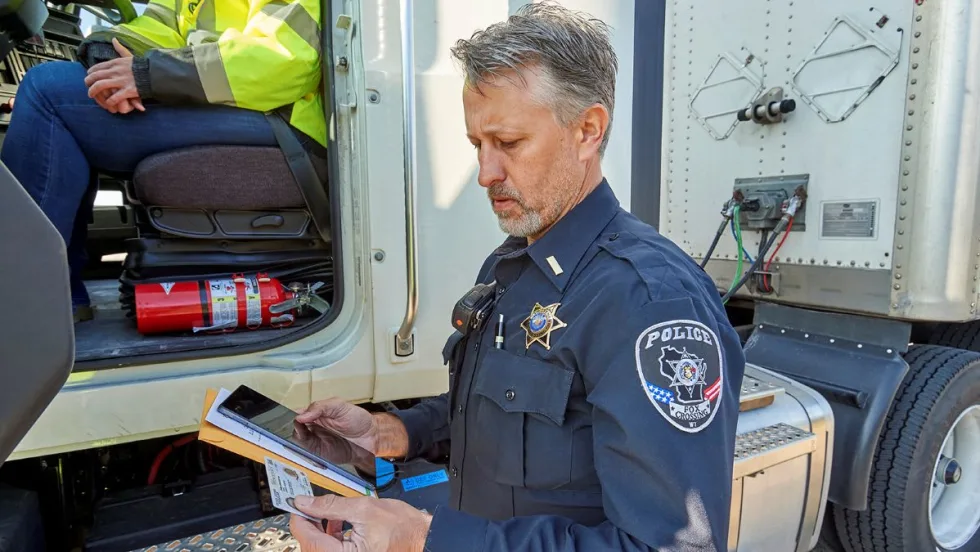
Photo: FMCSA

Photo: FMCSA
Drivers, of course, are at the heart of the electronic logging device mandate that kicks in just over four months from now, on December 18. According to Pete Allen, executive vice president of MiX Telematics, which provides ELD solutions, it was concern about how drivers might be impacted by rule change that compelled the Federal Motor Carrier Safety Administration to put “provisions in place to prevent issues of harassment, one of which is driver coercion.”
Allen told HDT that the rule includes these three technical requirements to help protect drivers from being coerced into violating federal hours-of-service regulations:
1. Unassigned Driving Time: The ELD device must track all miles associated with the vehicle. If any mileage is not assigned to a driver, it is labeled as Unassigned Driving Time.
When drivers log onto an ELD, they must be prompted if the vehicle they are in has any unassigned driving time. If a driver is responsible for any unassigned driving time, he or she must identify it as his or her own, and then the system will automatically update the driver’s Record of Duty Status. Managers should also monitor unassigned driving time from their vendor’s portal or reports. There may be unassigned driving time that is unaccounted for, and managers will need to remind the specific driver who drove the vehicle at that time to accept the unassigned driving time to remain compliant.
2. Edits to RODS/HOS: Under the rule, drivers are responsible for their RODS/HOS.
This requirement means the driver has the final say on any changes made to their RODS/HOS.The technical requirements require ELD devices to allow drivers to edit their own HOS logs, and to view and accept or reject any edits made by a manager. At driver log in, the ELD must prompt the driver if any edits to their RODS/HOS have been made. The driver will then accept or reject these changes.
3. Drivers must be prompted to verify: Prompting must be done to confirm their logs when they log in and out of their ELD, and drivers are responsible for confirming any subsequent changes to their logs within a 24-hour period.
If the driver has any logs that have not been confirmed, the ELD must prompt the driver to verify. The driver will then be responsible for confirming the information.
Not for Drivers Only
The rule ultimately is about driver safety, but “it’s not a driver-only transition,” according to Tom Cuthbertson, vice president of regulatory affairs for Omnitracs. “For example, dispatchers need to understand what ‘personal conveyance’ use and ‘yard time’ means and maintenance personnel have to understand the eight-day requirement.
"The training needed by all will vary based on the size and complexity of the trucking operation," he continued. "And policies will need to be set across the carrier to address such specifics as criteria for editing log entries.”
“Fleet size and device platform will determine how long it takes to get up to speed with the mandate,” David Heller, vice president of government affairs for the Truckload Carriers Association, told HDT. “Large fleets are already done with it; smaller fleets that aren’t are probably looking for user-friendly devices.”
As to enforcement, Heller said he’s experiencing “a little heartburn as the compliance data approaches. We’re a 50-state country and no two states are alike. That means some will be more ready than others for enforcement. But make no mistake — enforcement of the rule will begin on December 18.”
A full update on the ELD mandate will appear in the August edition ofHeavy Duty Trucking.
More Drivers

New Independent Contractor Rule Gives Trucking More Clarity
The Labor Department is once again changing how it determines who's an independent contractor. This time, the rule includes specific examples addressing trucking safety requirements, CDLs, and lease-purchase agreements.

Catching Driver Fatigue is One Thing. What You Do Next Matters Just as Much
Fleets are getting better at detecting driver drowsiness. Few have figured out what should happen next, and that gap is where the real risk still lives.
133 ELDs Revoked as ATA Pushes Certification Reform
FMCSA just removed a record number of electronic logging devices from its registry. ATA says it's time to rethink how ELDs get approved in the first place.

CVSA Sets 2027 International Roadcheck Dates
The annual 72-hour truck inspection blitz will take place May 11–13 across North America. Here's what fleets can expect and what inspectors found during the 2026 event.

FDA Eases Path for Oral-Fluid Testing
Federal actions could advance oral-fluid drug testing for truck drivers, but lab certification delays and marijuana rescheduling questions remain.

Why Hiring Truck Drivers Is Getting Harder
Higher recruiting costs, a shrinking driver pool, and renewed pay competition are raising the stakes for fleets heading into 2027.
Roehl Offers Truck Drivers $10,000 Retention Incentive
Payments begin after the first load and continue in mileage-based installments for eligible experienced drivers joining the fleet.
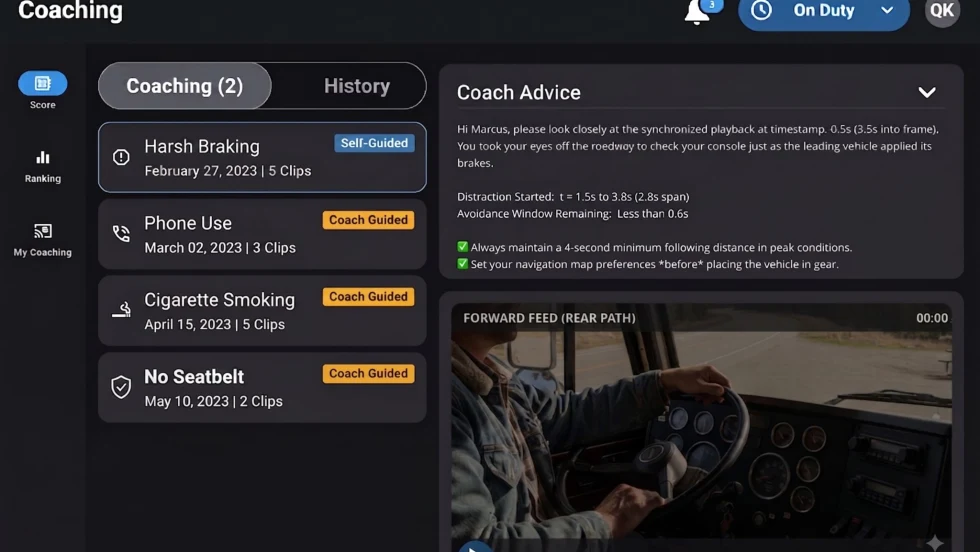
Platform Science Adds Dispatch and Safety Tools
Four additions to PS Fleet help fleets monitor loads, manage driver coaching, share truck locations and adjust video system settings.
When Language Stops the Truck: The Return of ELP Out-of-Service Orders
English language proficiency rules for commercial drivers aren’t new, but renewed out-of-service enforcement has raised the stakes. Here’s what carriers need to know before a driver reaches a roadside inspection.

Samsara Launches Custom AI Agent Builder
Agent Studio lets fleets create AI tools for hours-of-service monitoring, reporting and driver support, including agents that communicate by phone.