




The Surface Transportation Board has denied a request to continue proceedings for the proposed merger of the Burlington Northern Santa Fe and the Canadian National railway systems.
In mid March the Board declared a moratorium on further railroad merger activities until it could adopt new rules governing approval proceedings. The agency said it would issue new rules in 15 months. The announcement came after 4 days of hearings triggered by the announcement that BNSF and CN would merge.
The railroads asked for a stay of the Board decision, arguing that it does not have authority to temporarily decline new merger filings. They also maintained that the action was not lawful since it was not issued after formal rulemaking procedures.
In denying the stay, the Board found that the law permits it to put a temporary hold on new merger applications while it makes changes to its rules.
"BNSF and CN seek the opportunity to file their application. . .now so that they can have their announced proposal (and presumably only their announced proposal) proceed under our old rules (or some interim rules that are acceptable to them) while new rules are developed and the issue of our authority to delay new filings is litigated," the Board said.
"But other railroads have indicated that they will seek to make strategic responses once a BN/CN application is filed, and any such proposals should be treated under the same rules that govern BNSF and CN."
STB Denies Request to Proceed With CN/BNSF Merger
The Surface Transportation Board has denied a request to continue proceedings for the proposed merger of the Burlington Northern Santa Fe and the Canadian National railway systems.
More Fleet Management

Truck Crash Rates Are Down. So Why Do Insurance Costs Keep Rising?
ATRI’s latest research points to litigation, social inflation, and soaring claims costs as key drivers behind record-high liability premiums for trucking fleets. But there are things motor carriers can do.
Read More →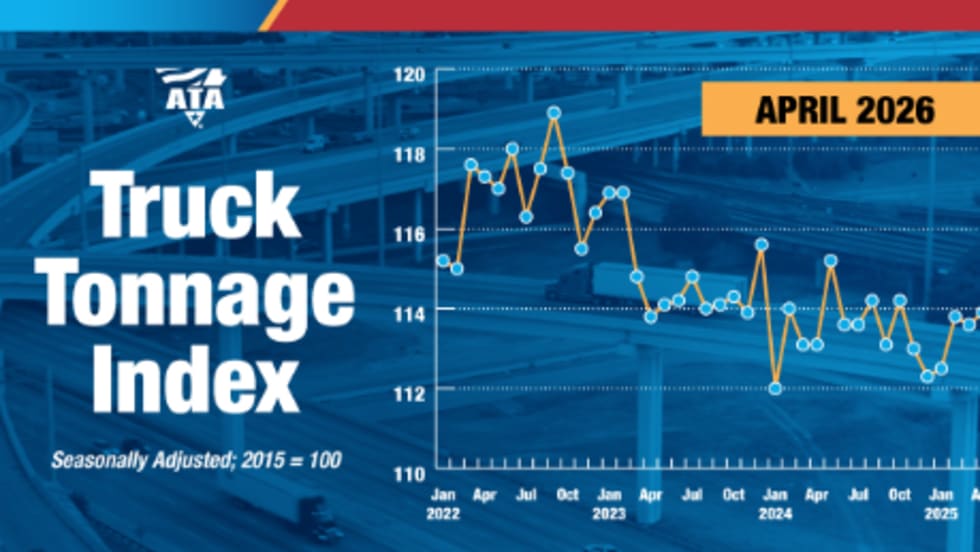
ATA Truck Tonnage Holds Steady in April at Highest Levels Since 2022
ATA’s For-Hire Truck Tonnage Index was unchanged in April after a strong March gain, with freight volumes remaining at their highest levels since late 2022.
Read More →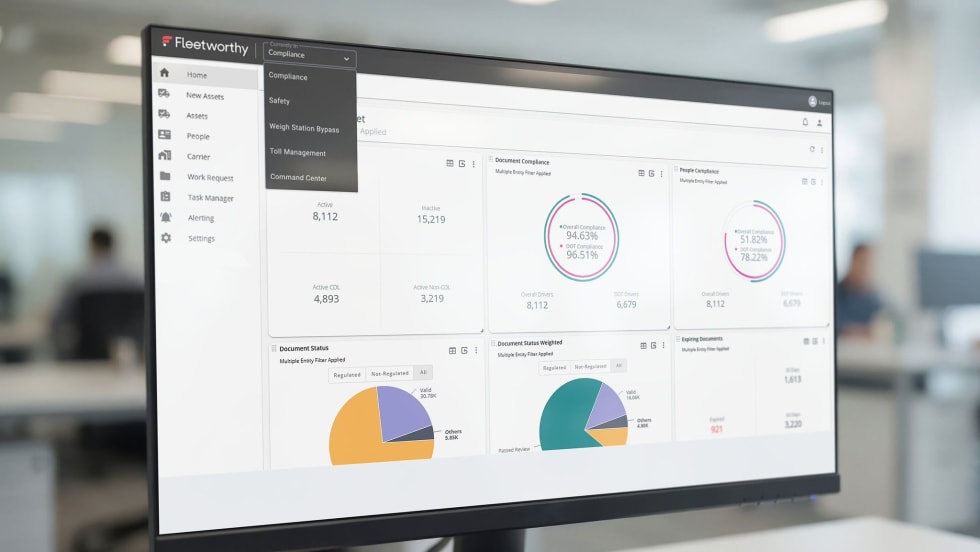
Fleetworthy Launches Connected Platform for Fleet Readiness Across Safety and Compliance, Toll Management, and Weigh Station Bypass
Fleetworthy has unveiled three major product launches it says mark a new era in fleet readiness.
Read More →
Behind the SCOTUS Broker Ruling Part 1
Transportation attorney Greg Feary breaks down the recent Supreme Court decision that brokers can be held liable for damages in truck accidents and what it means for the trucking industry going forward.
Read More →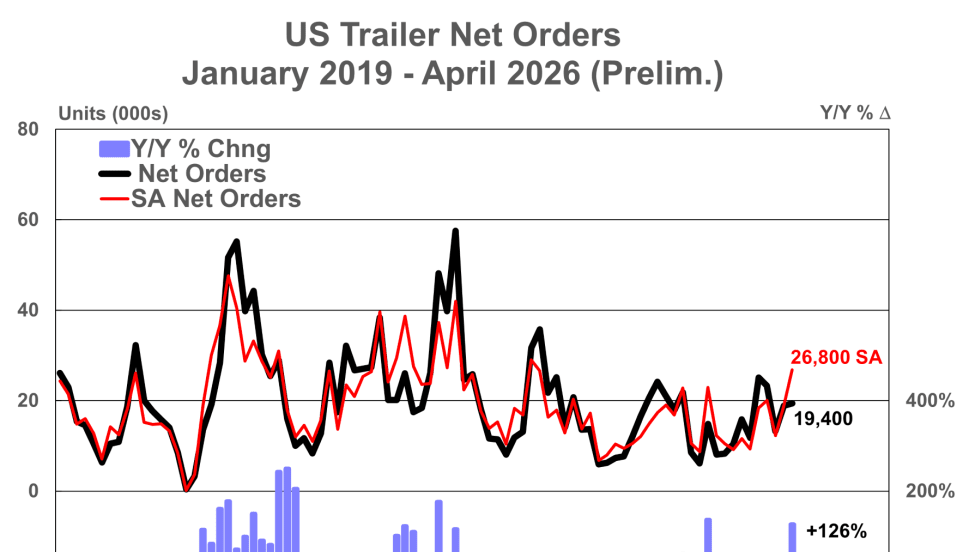
ACT Research: Trailer Orders Continue Upward Surprise in April
Preliminary net trailer orders rose 3% from March and jumped 126% year over year, signaling stronger-than-expected demand despite typical seasonal softness.
Read More →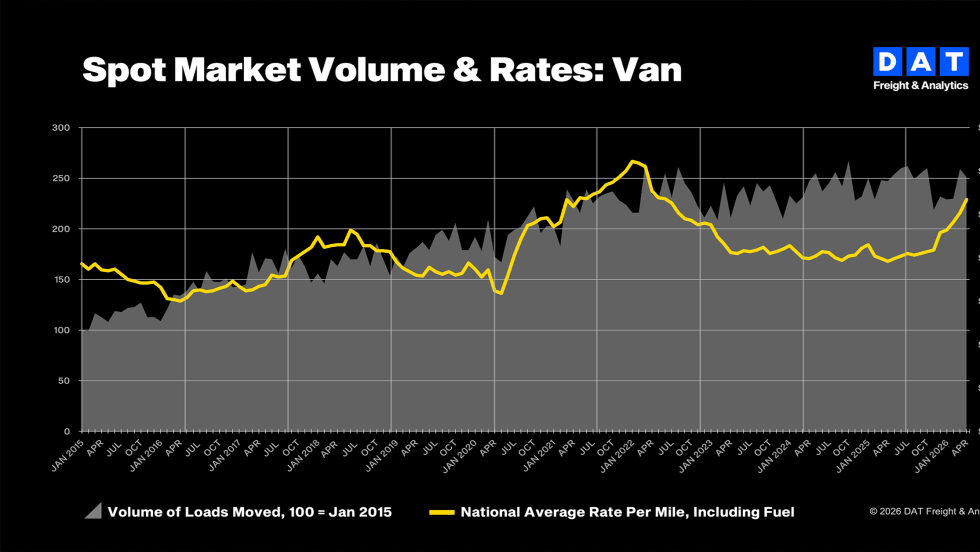
DAT: Fuel Surcharges Drive April Truckload Rate Gains as Freight Volumes Slip
Truckload spot and contract rates climbed in April. But DAT says higher fuel costs -- not stronger freight demand -- were behind most of the increase.
Read More →
Deadline Extended for HDT Truck Fleet Innovators Nominations
Heavy Duty Trucking has extended the deadline for nominations for its Truck Fleet Innovators awards. The deadline has been extended to May 22.
Read More →
Supreme Court Ruling Puts Freight Broker Vetting Practices in Spotlight
The unanimous SCOTUS ruling in the closely watched Montgomery v. Caribe case allows state negligence claims against freight brokers that hire unsafe motor carriers, raising new liability and vetting concerns among brokers.
Read More →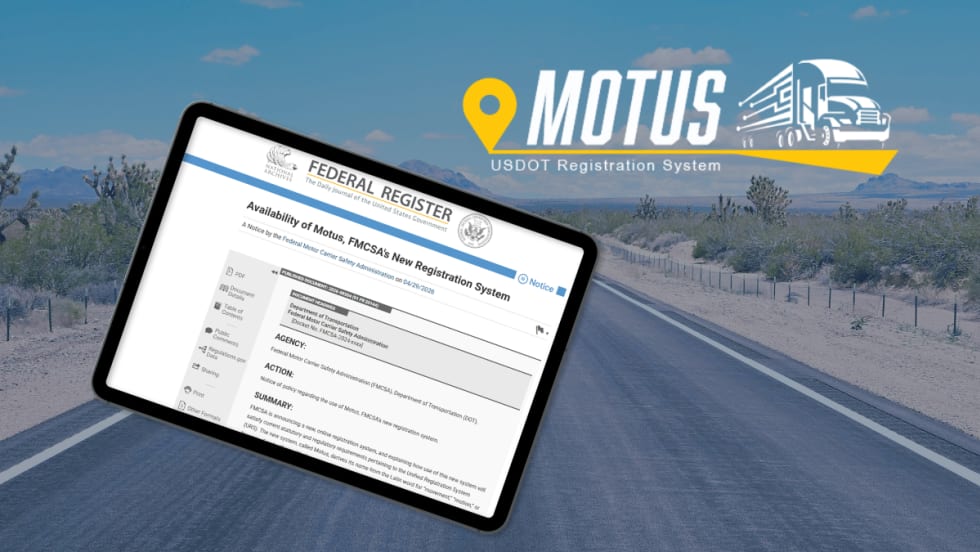
FMCSA’s Motus System Is Coming. What Fleets Need to Know Now
FMCSA's long-awaited registration system promises a single portal — and tighter fraud controls. And there are steps you need to take by May 14.
Read More →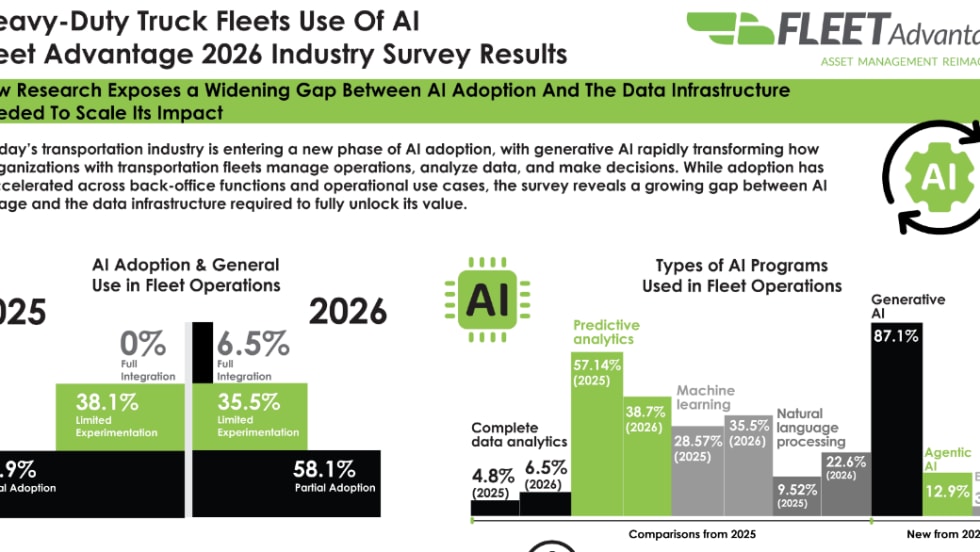
Fleet Advantage: Fleets Embrace Generative AI, but Data Problems Limit Operational Gains
New Fleet Advantage research shows generative AI adoption has exploded among private fleets. But poor data integration and weak ROI tracking are preventing fleets from unlocking AI’s full operational and financial value.
Read More →